Winter Solstice
The shortest day
December 21st is the shortest day of the year. Daylight shrinks to barely 9 hours with sunrise just before 8 am and sunset just before 5 pm. I know I am not the only one who feels the weight of this time of year. Many people I know seem to enter some kind of seasonal depression, sometimes (but not always) tempered by Christmas festivities.
Toronto is a lovely city for the three warmer seasons but not so much in winter. From now until spring the sun rarely shines and the occasional bright morning inevitably turns to gloom by the afternoon. Most years, there is not much snow in the city and winter temperatures tend to fluctuate above and below the freezing point. Snow quickly melts into salty, grimy pools that later freeze into sheer ice. Sometime in the new year, Toronto enters a deep freeze that lasts anywhere from a few weeks to a couple of months. These cold days can bring sunlight but it doesn’t last for long and the city soon sinks back into murky grey.
When traveling, sometimes people ask me what Toronto winter is like. I am sure they are imagining crisp cold air and bright blue skies meeting a sparkling white horizon. I am always a little sad to tell them that, at least where I live, it is mostly salt crusted dirty streets, grey days and long dark nights.
Winter Blues (except when it snows)
Even though I live in this colourless city, I can still enjoy winter. The cold doesn’t bother me, and of all the natural phenomenon in the world, I am always deeply moved by the magic of a big snowfall. Every time. I love the way it mutes the city noise and how it transforms the urban landscape into something soft and beautiful. I can’t think of too many things that make me happier. Unfortunately, it doesn’t usually last very long before the next melt cycle.
Deep in the typical gloom of Toronto winter, I have a hard time seeing anything that I want to photograph and writing becomes a lot more difficult. Creativity shrinks back. I tend to retreat into reading books, watching films, listening to and learning music and language studies. A lot of input, not much output.
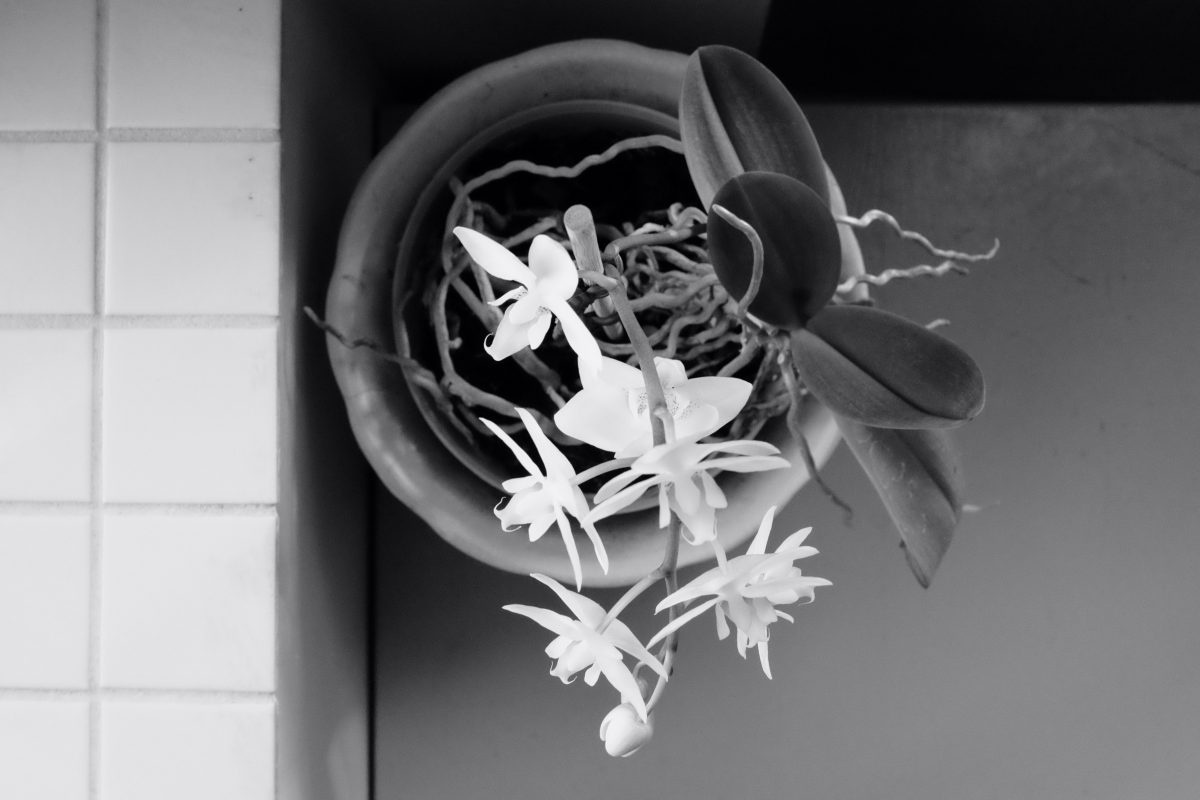
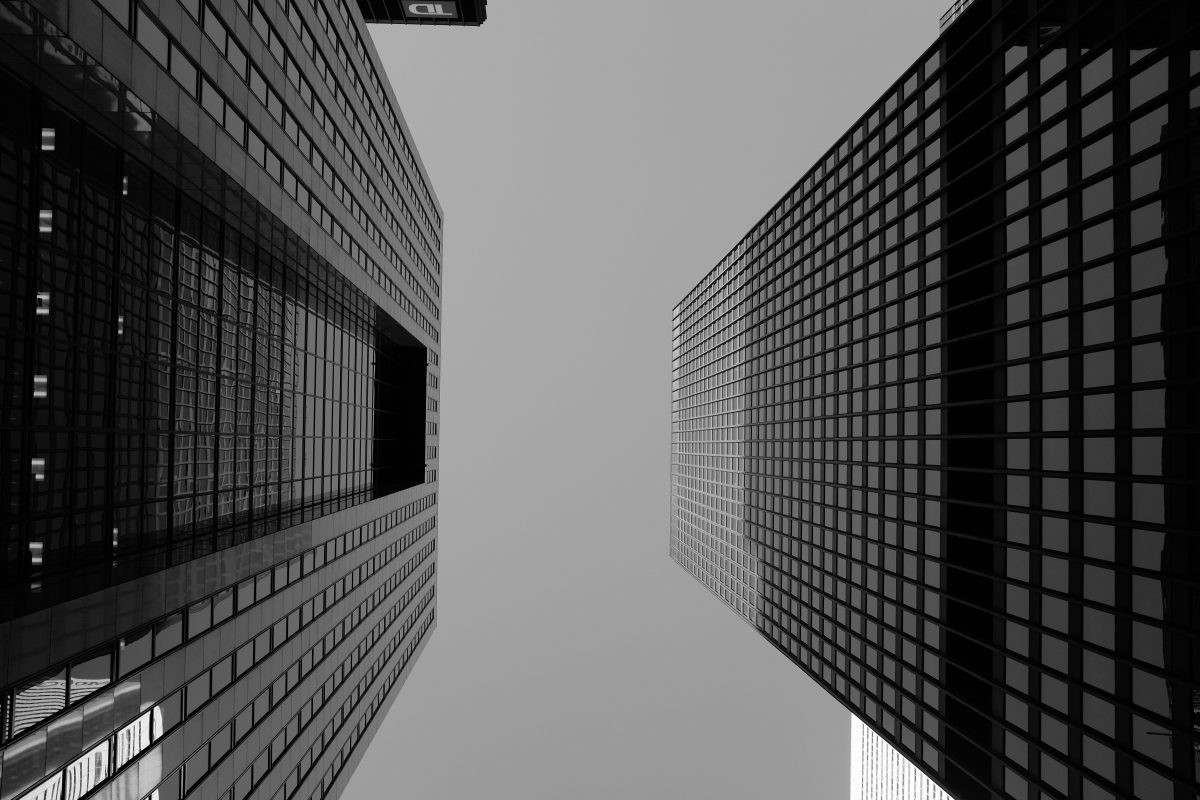
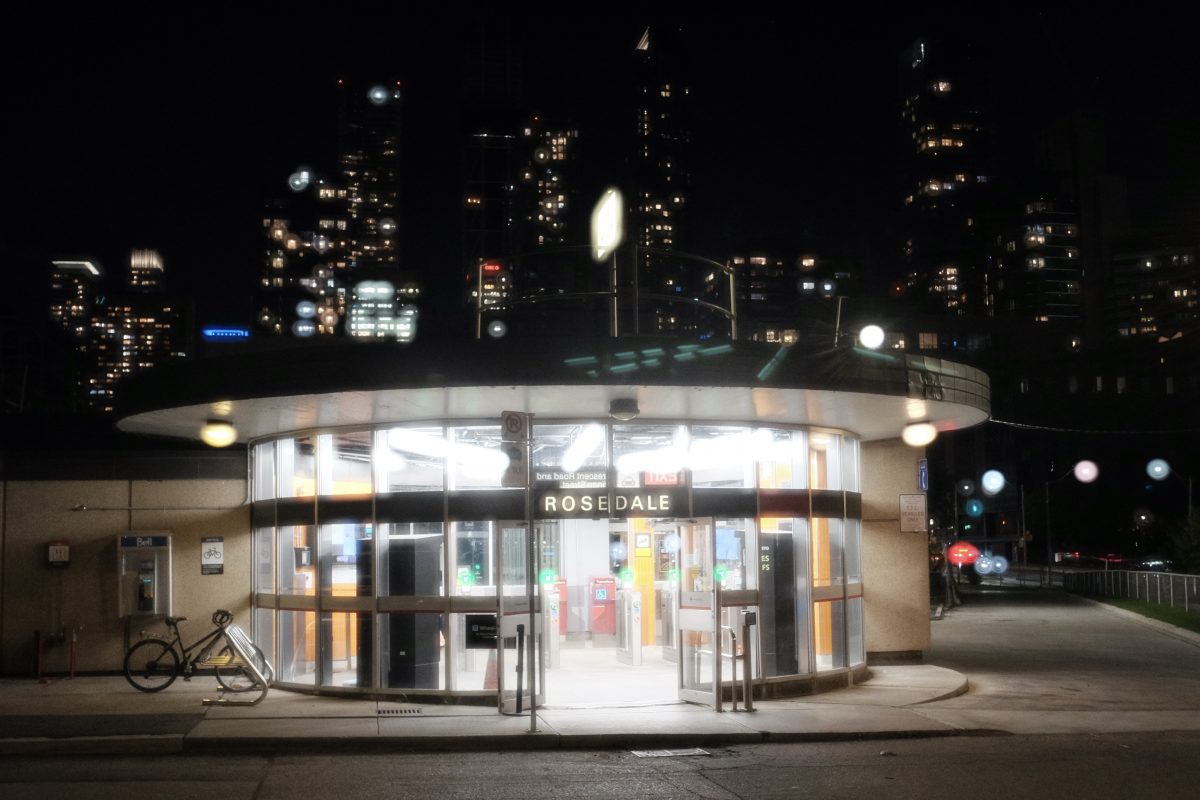
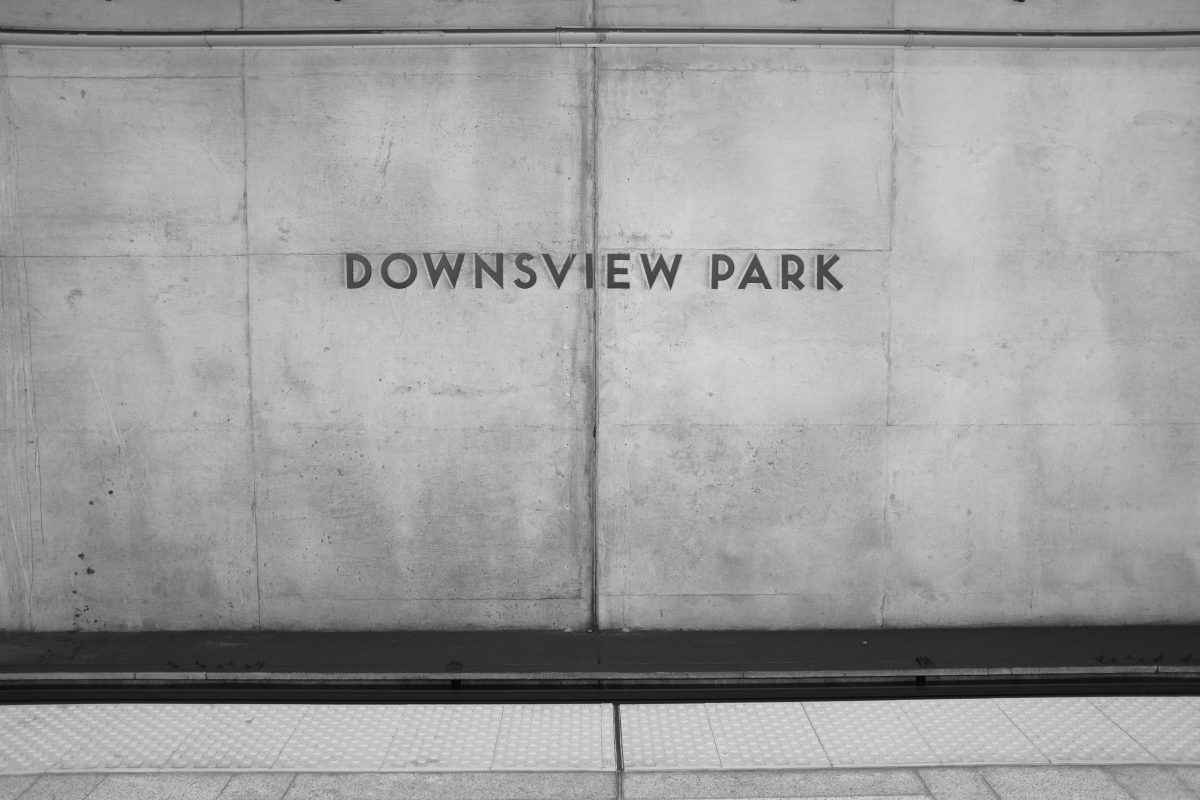
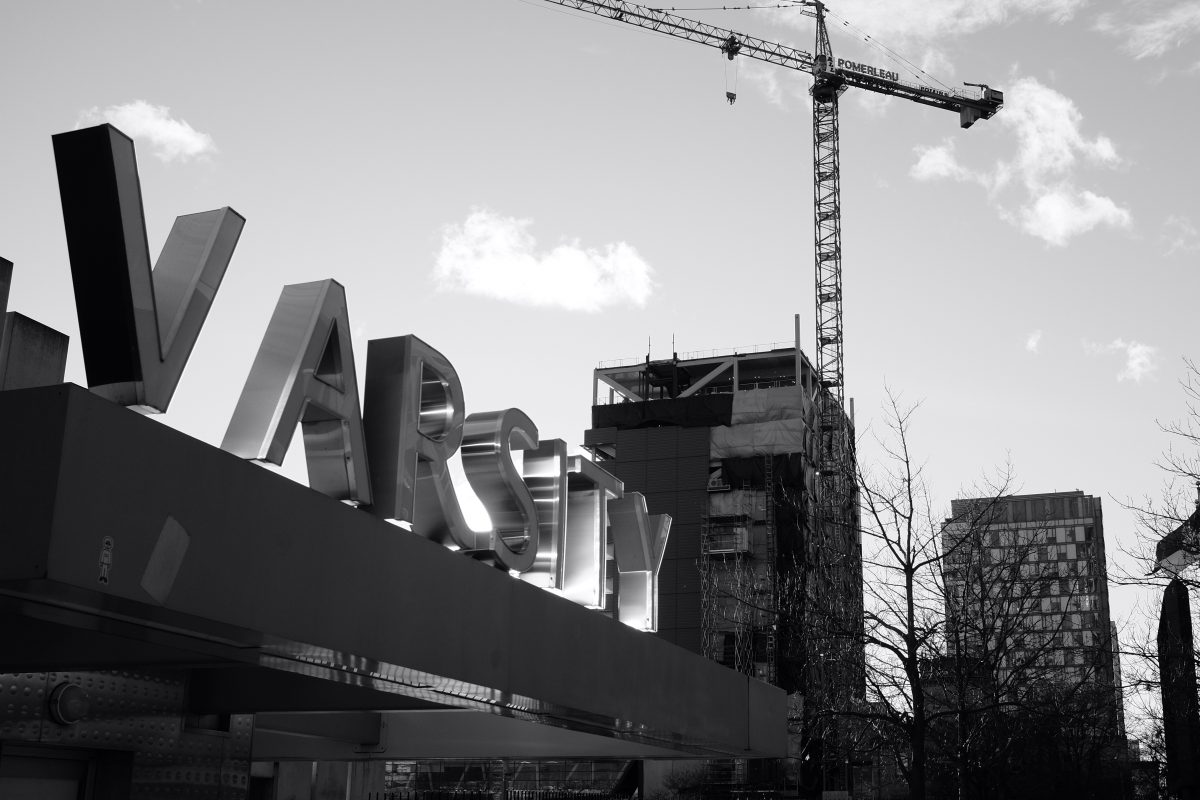
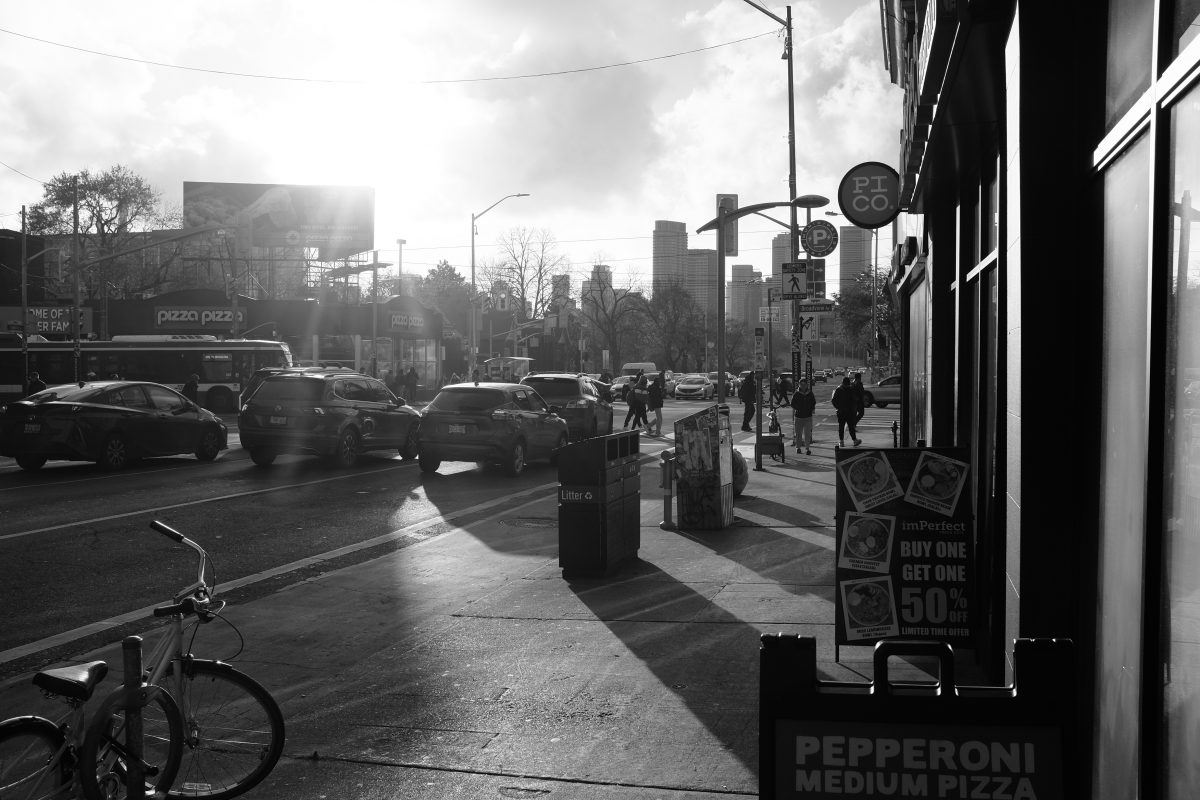
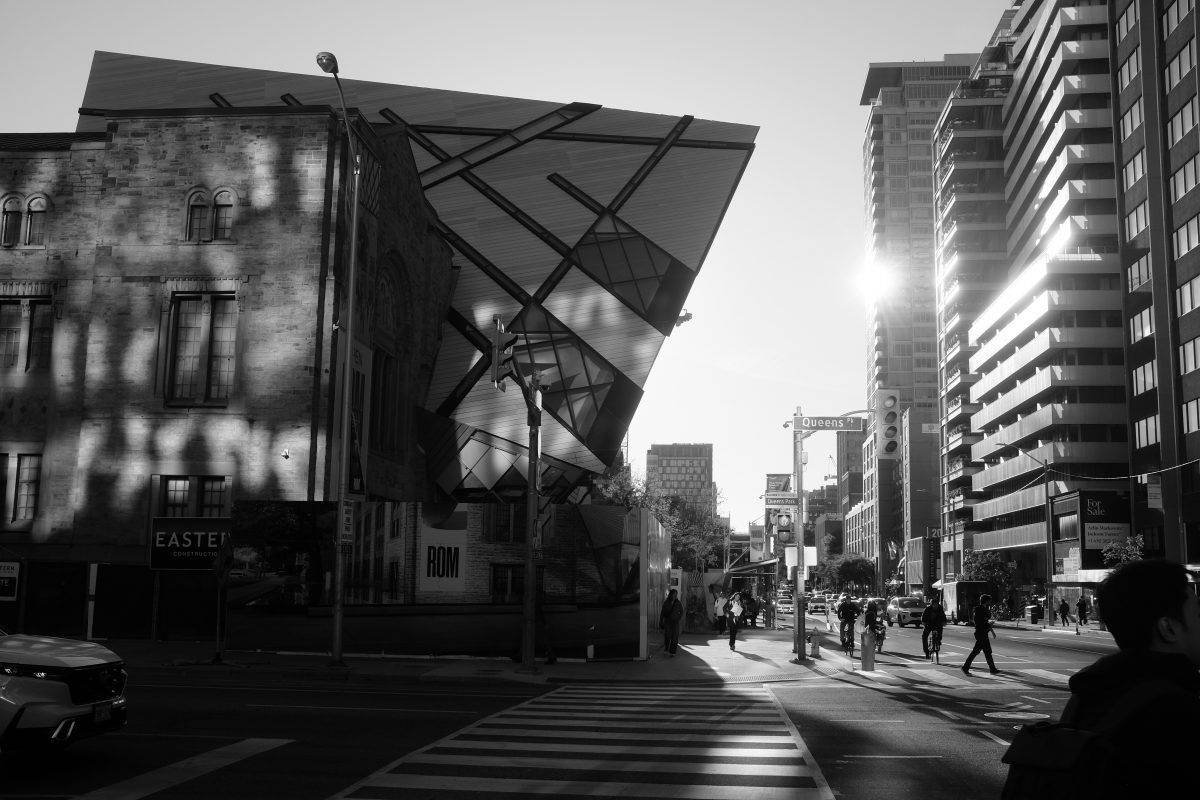
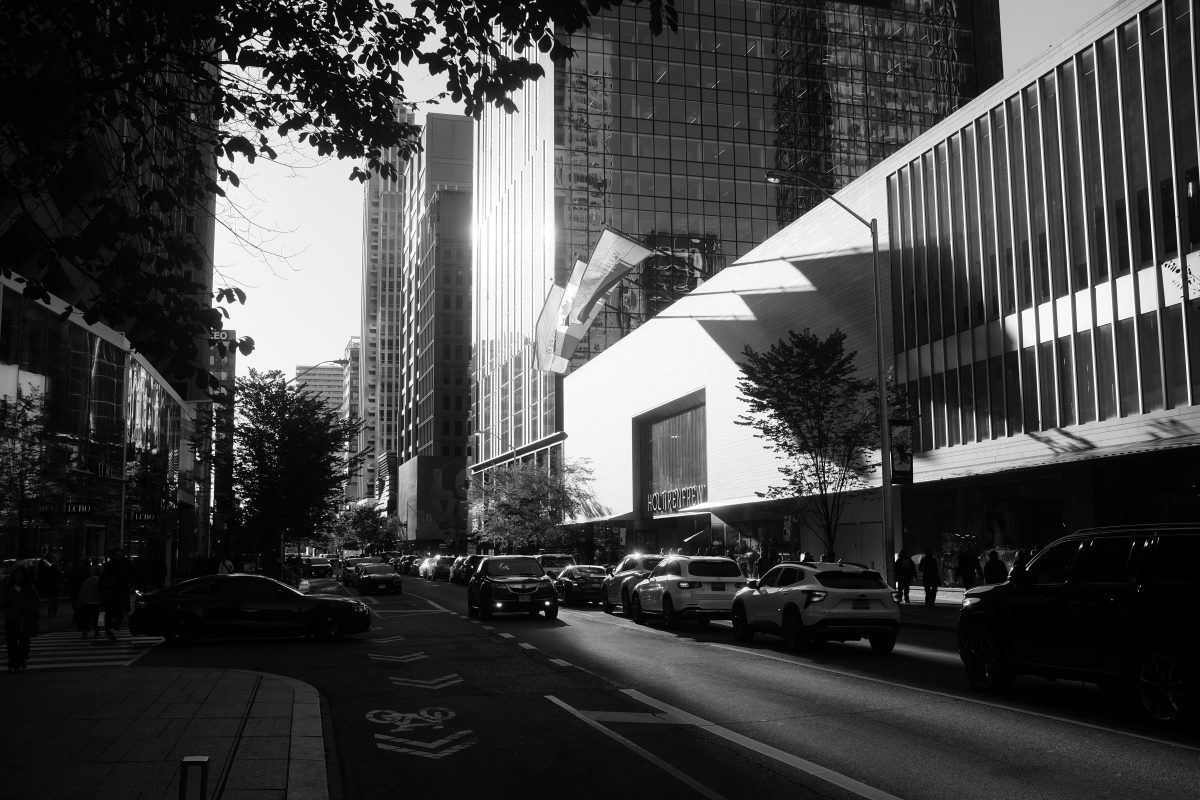
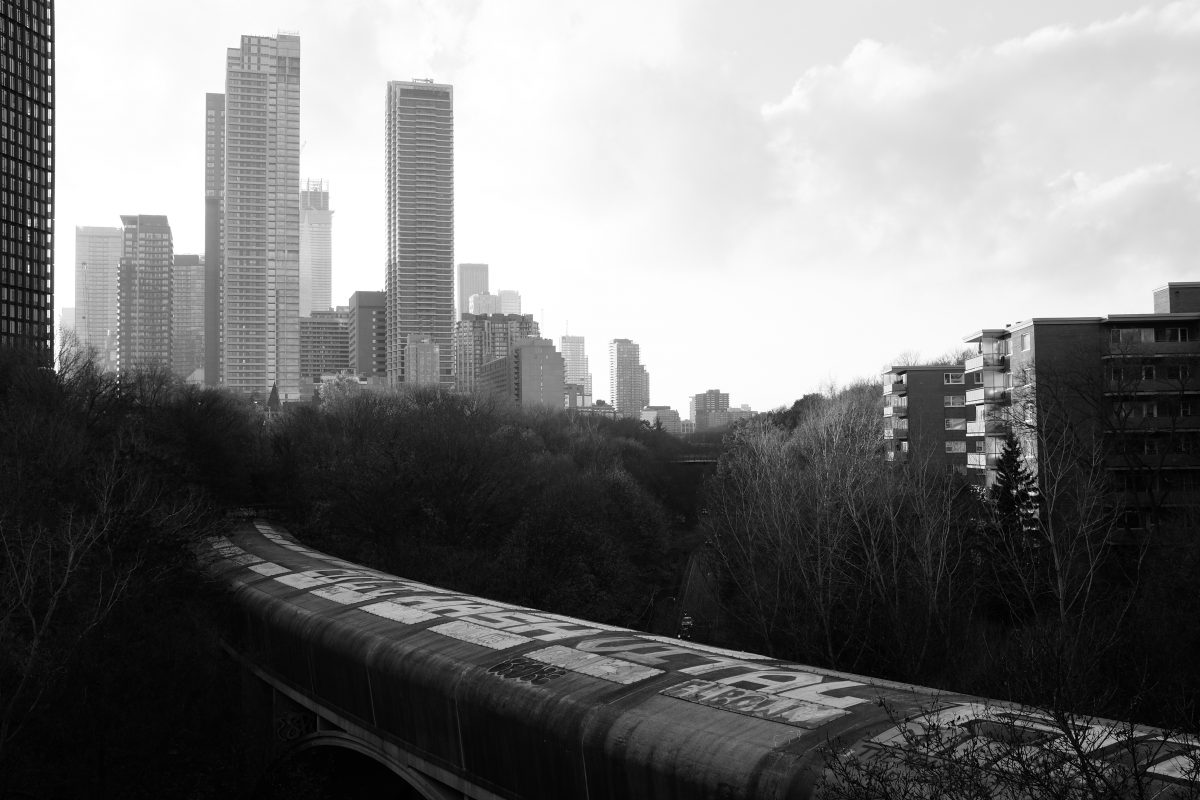
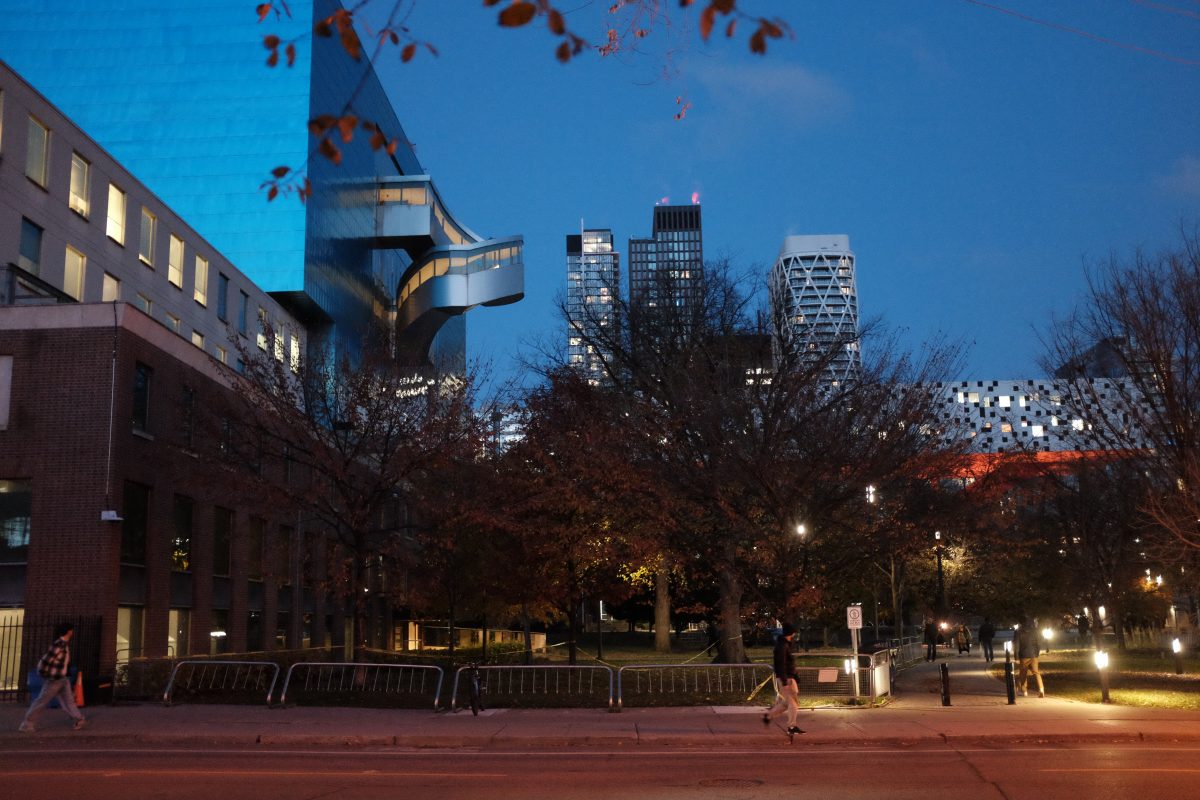
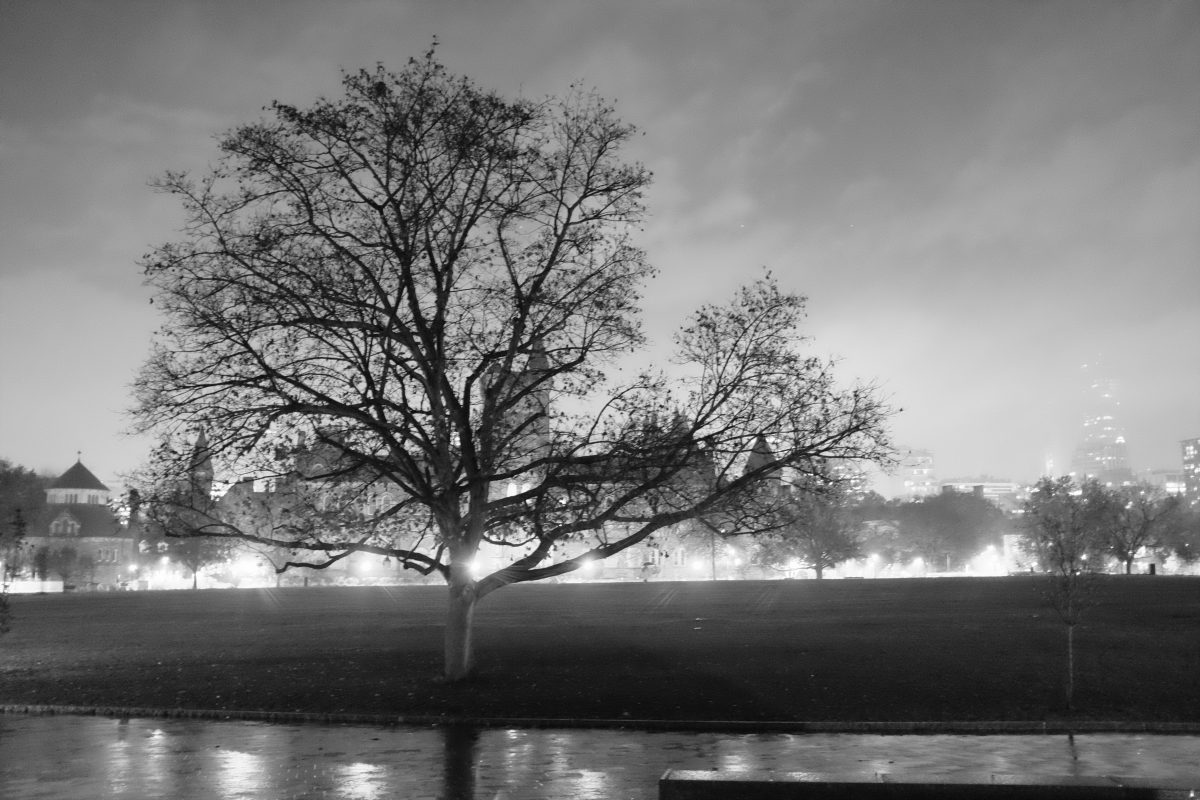
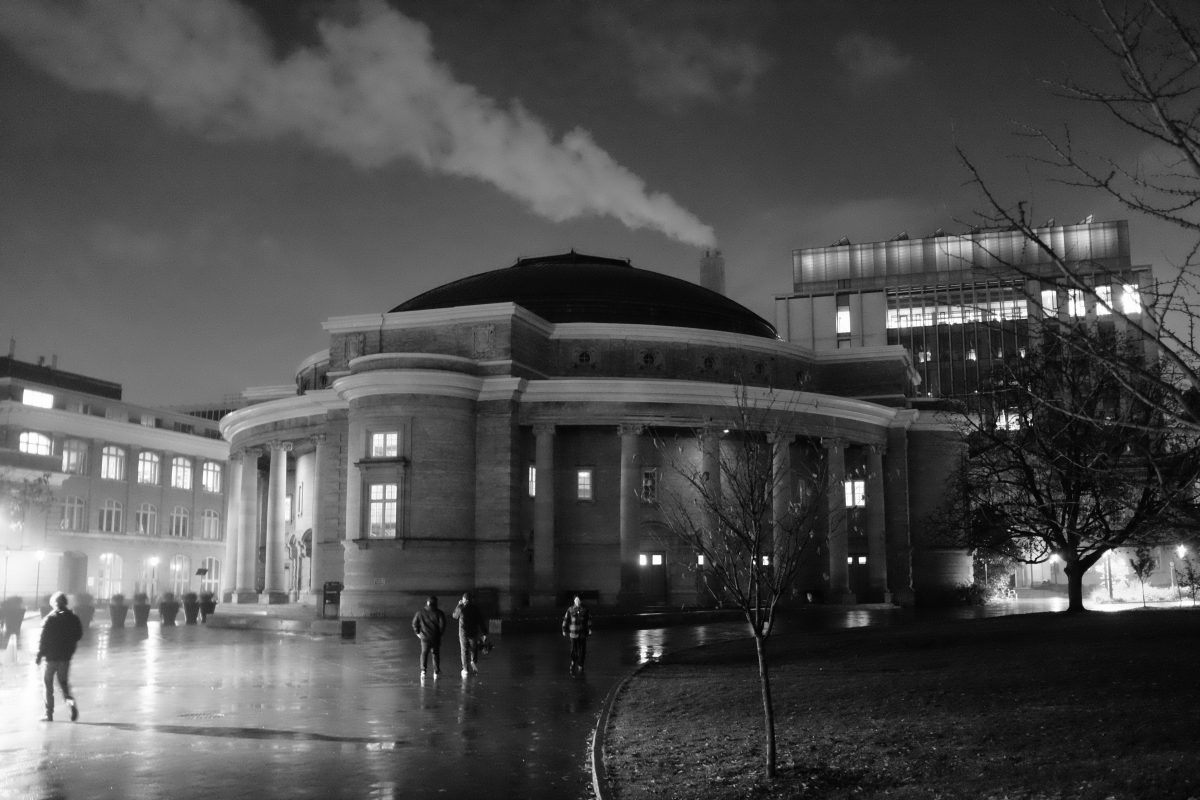
From spring to fall I was writing on here at least once every two weeks and I had so many pictures that I sometimes had trouble organizing them. Lately I have been doing less creative writing. And I have not wanted to pick up my camera as much but, I have taken a few pictures that I like. I will post them up here with no other purpose than sharing a few good, mostly unrelated, shots.
2025 in review
For a long time, I had planned to take a year off from work and 2025 was it. Originally I thought I would get right into planning my next career move but, instead, I was flooded by the desire to create and to learn. Not in any organized way…just to follow threads as they appeared and to accept and act on ideas and inspiration without any resistance and with the least amount of judgement possible. The result was a ton of writing.
This website started as a travel diary for an early spring trip to Japan and Korea that I took with my daughter. Sick of all the trash and advertising on social media, I thought this would be a fun alternative. In the end, it became something I loved doing and something I am quite proud of. I still revisit the trip quite often. The photos are good and the articles are fun and pretty well written.
When I got back, I wanted to keep writing and TigerSalad became a place for me to document photo projects, recipes, articles, ideas and sounds…all things I used to dump (in some compromised way) onto social media. On here, I rarely involve my phone and I can write as much or as little as I like. To date, I have written over 70 articles.
Surprisingly, TigerSalad has done ok. I get a decent amount of traffic and I know that the people who are visiting are interested in what I am doing rather than getting directed here by some stupid algorithm . I don’t link ads or pop-ups and so, I make zero income from it. Fine with me! Instead, I have a discreet donation link where people can send me some dollars which I put into website maintenance if they enjoy the articles. Even though I had zero expectations, a few generous amounts came through in the first few days. Thank you!!
On top of those 70 or so website entries, I have been doing other writing on the side. I have started some long form fiction (in other words, a book). Whether or not it ever gets finished or sees the light of day is not so important to me. I just enjoy writing it and learning about the inner lives of my characters as they unfold. I like the people in the story. They make me laugh and I care about them and I want to know what happens next. That is enough for now.
In the last few months, I have also picked up a few paid jobs doing copy writing: captions for social media projects and website copy. I really enjoy this work. I will labour for hours choosing the sharpest word, the most effective sentence, the most concise and economical phrase where necessary. To me it is like solving a puzzle. I love it. And, I do it all facing my big windows with a hot coffee and a sleeping cat on my desk. It is like a dream and I wish I could keep doing it. Let’s see what happens…
Christmas is coming…
I have a few close friends who are sincere Christians with a strong connection to their church and community. Christmas has a deep spiritual meaning for them. It is a time for celebration. The effort and joy that they put into this season is awe inspiring. It is fun to witness and some of their energy definitely rubs off on me.
As for me, I was mostly raised without any religion. Czechs, along with Japanese and Chinese are among the worlds least religious people. My family never went to church and religion was never a topic of conversation. Christmas was important but it centered entirely around family.
When I was very young, my parents (barely 20 years old) were new immigrants to Canada with no family here at all. I don’t remember too much of those days. I think our Christmases were probably more like house parties with lots of music, drinking and smoking with me sleeping in a pile of fur coats on a bed somewhere. But, over the next few years, my family began to grow as my parents began sponsoring their brothers and sisters to move to Canada.
At some point in my early adolescence, our family was suddenly huge. Aunts, uncles, cousins, friends, everyone gathered at our house for the Christmas season. For around a week between Christmas and New Years Day, our house was packed with aunties cooking and baking and uncles smoking and drinking and talking non stop. Food was everywhere. People slept over and stayed for days. One meal would blend into the next. Endless packs of cigarettes would burn to ash over hours and hours of card playing and laughter. To me, it was heaven. I can’t remember a time when I felt more warmth and happiness.
Of course, as years pass, time takes its toll and my once huge family Christmas has all but disappeared. Death, disease, divorce and relocation for work have all played a part in chipping away at the giant celebration of the past. These days, Christmas is always coloured with a little sadness. I miss that huge family made up of the people I have loved the most. I especially miss my uncles who have died, the ones who worked awful jobs and had nothing, but would still manage to tuck a few hundred dollar bills into my pocket every Christmas. XOXOXOXO.
These days, my family is very small. Still… we have our Christmas rituals, we eat our turkey dinner, exchange a few gifts and enjoy the love and warmth of the season. We are lucky to be able to do so. Although Christmas arrives with a little sadness and a little loneliness, I still look forward to it and feel fortunate to spend the hours with people that I love. Merry Christmas!
Best Christmas Song: “The Christmas Song” Nat King Cole (chestnuts roasting on an open fire..)
Best Christmas Food: Turkey (brined)! Stuffing (must have bacon or sausage)! Cranberries!
Best Christmas Movie: “2046” Wong Kar Wai. Not exactly a Christmas movie but a lot of its key moments happen at Christmas. It is really my favourite movie. I watch it once a year at night on the 25th.
Upcoming Projects
Although I haven’t posted up anything lately, I have been busy photographing and documenting a few fermentation projects. My apartment is cool in winter so it is a perfect time for long ferments. I have a batch of 2 stage makgeolli (Korean rice alcohol) that is almost done. A detailed recipe with tons of pictures and sounds will go up soon. I will also be fermenting pears, first into alcohol and then into vinegar. This will take well over a month but it is in the works.
TigerSalad has a fair amount of recipes and I use them all the time. Originally, I had recipes scribbled down all over the place on loose paper and the backs of receipts etc… I started putting the recipes on here because I wanted to make an online cookbook for myself so I can have everything in one place. I really dislike cooking from videos, and most online recipes have too much filler and way too many ads and pop ups. My recipes are designed to be clear and logical, with lots of photos to make even complicated things doable. Try them…they work.
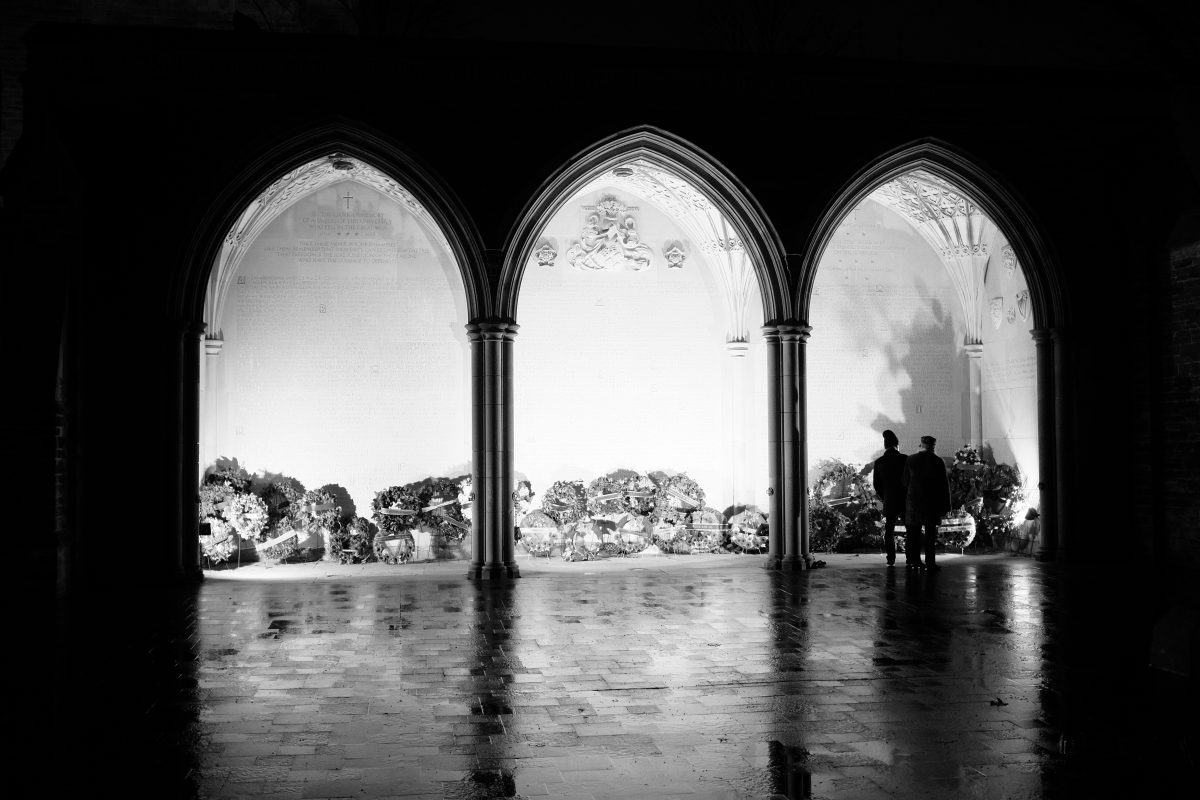
Winter Photos
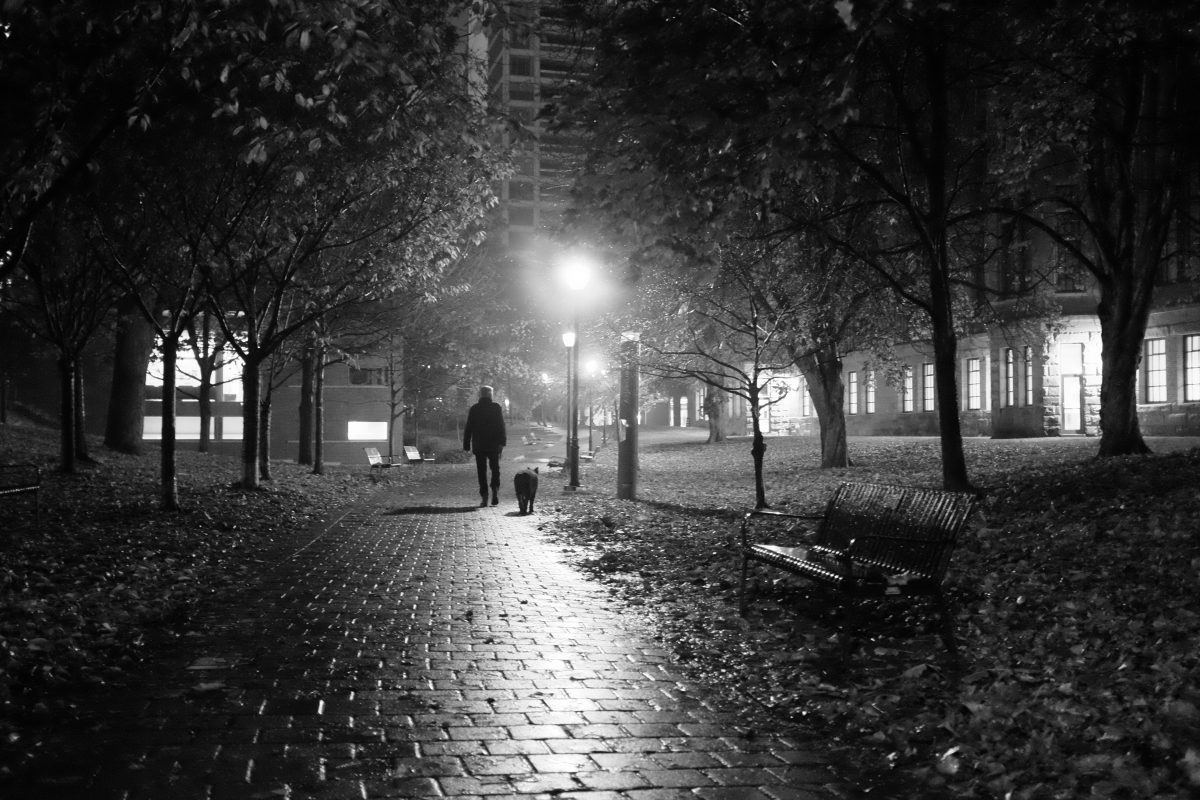
I hope it snows soon. Big snow. Lots of it. I am looking forward to getting out in the city with my camera and capturing Toronto in some of its handsome winter moments. Like this one in St James Town last year:

Big City Winter Survival Tips:
1-Go outside! It’s not as cold as you think and the more you go out the more you will get used to it. There is lots of oxygen and less pollution in heavy cold winter air. It is energizing.
2-Don’t try to look cool or fashionable in winter. Just dress up in warm layers of clothes. Unless you are very wealthy, it is hard to be warm and look cool at the same time. Just give up!
Happy holidays from TigerSalad! See you soon with a home made booze recipe just in time for New Years!
If you have any comments, questions or suggestions please leave them below. I look forward to hearing from you. It is the only way I know you have been here…other than vague stats from Google : )
If you enjoy the content and would like to contribute towards website maintenance and development, you can make a donation here.
Autumn Cemetery
Toronto Cemeteries:
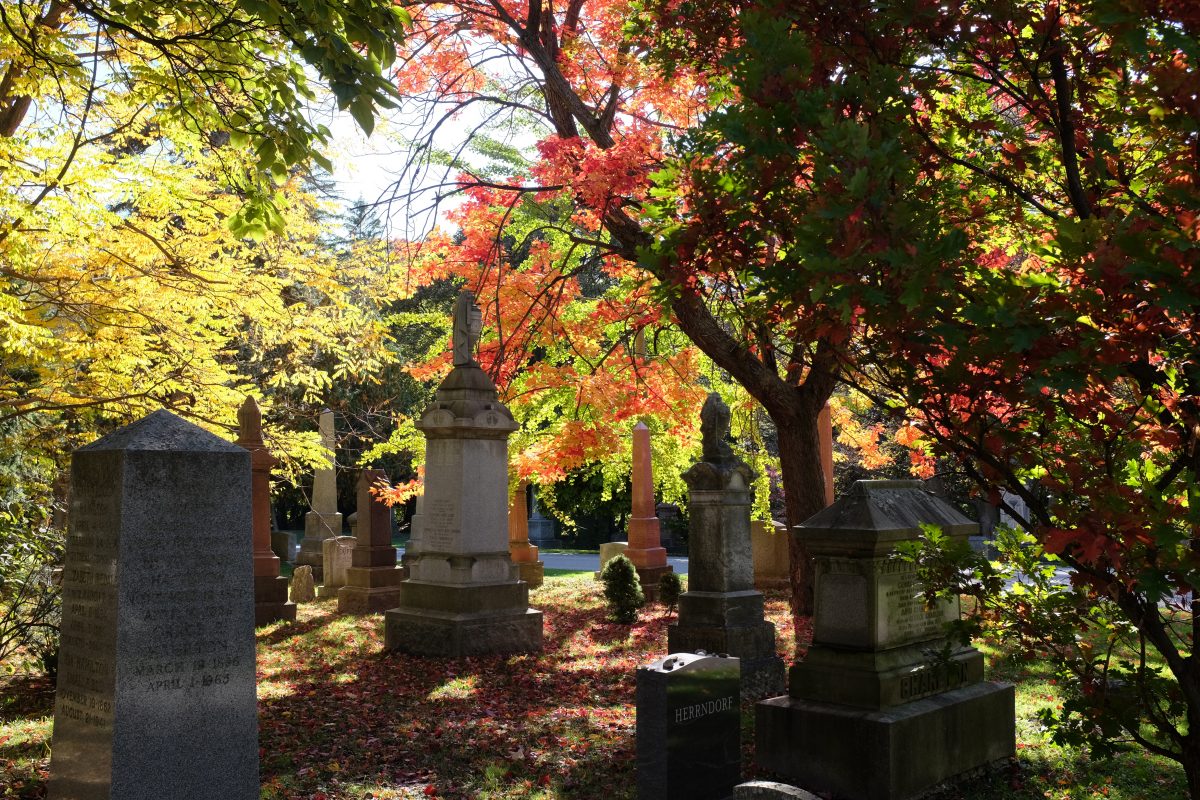
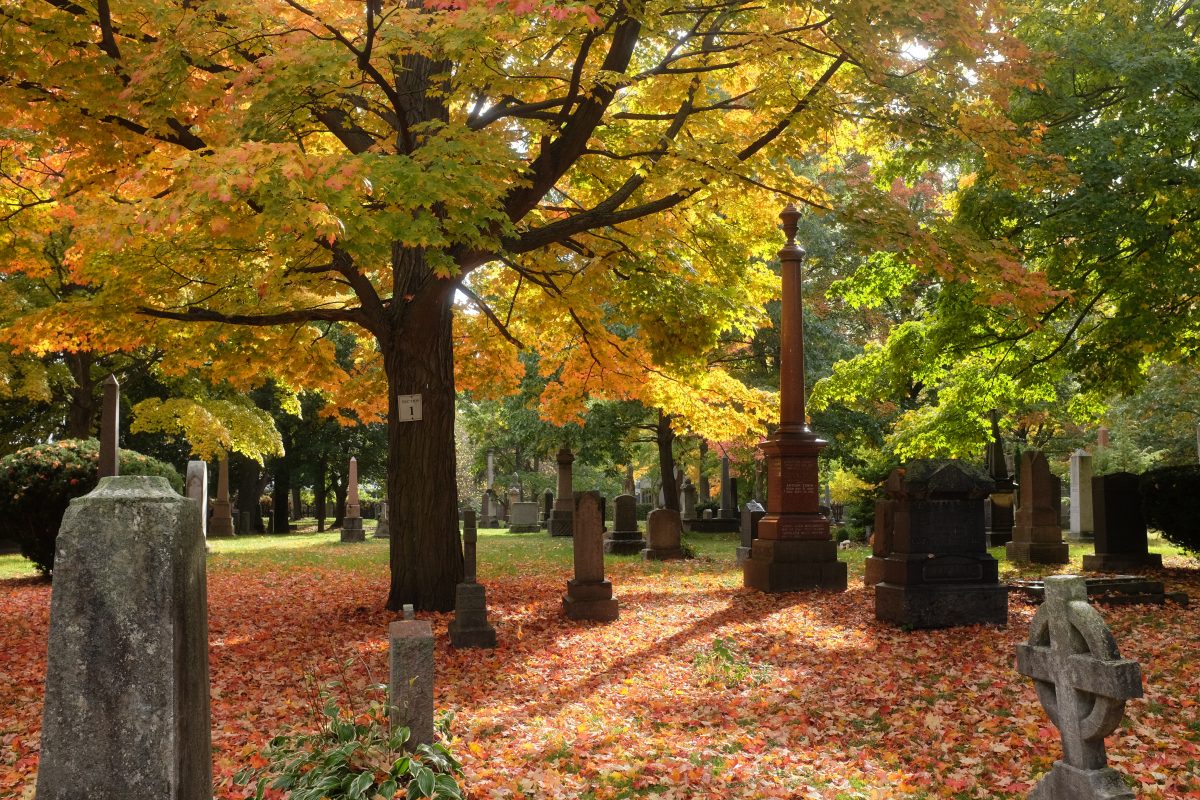
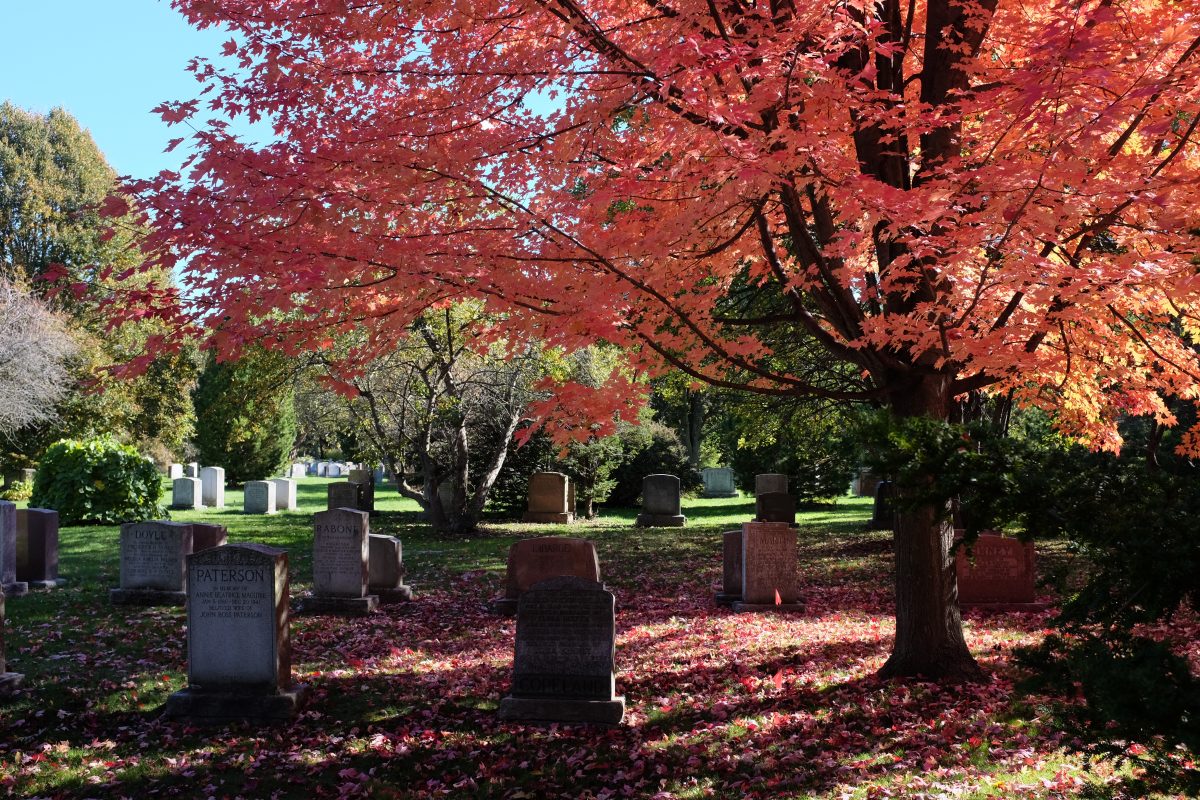
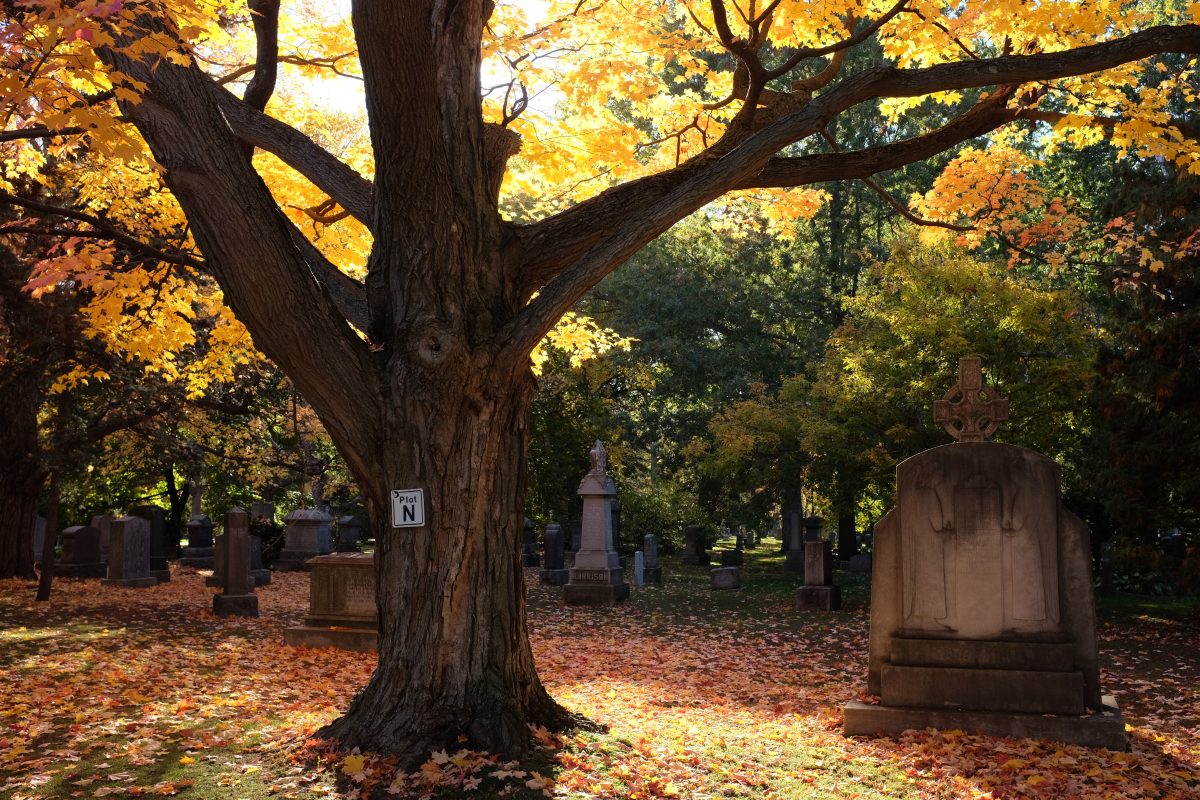
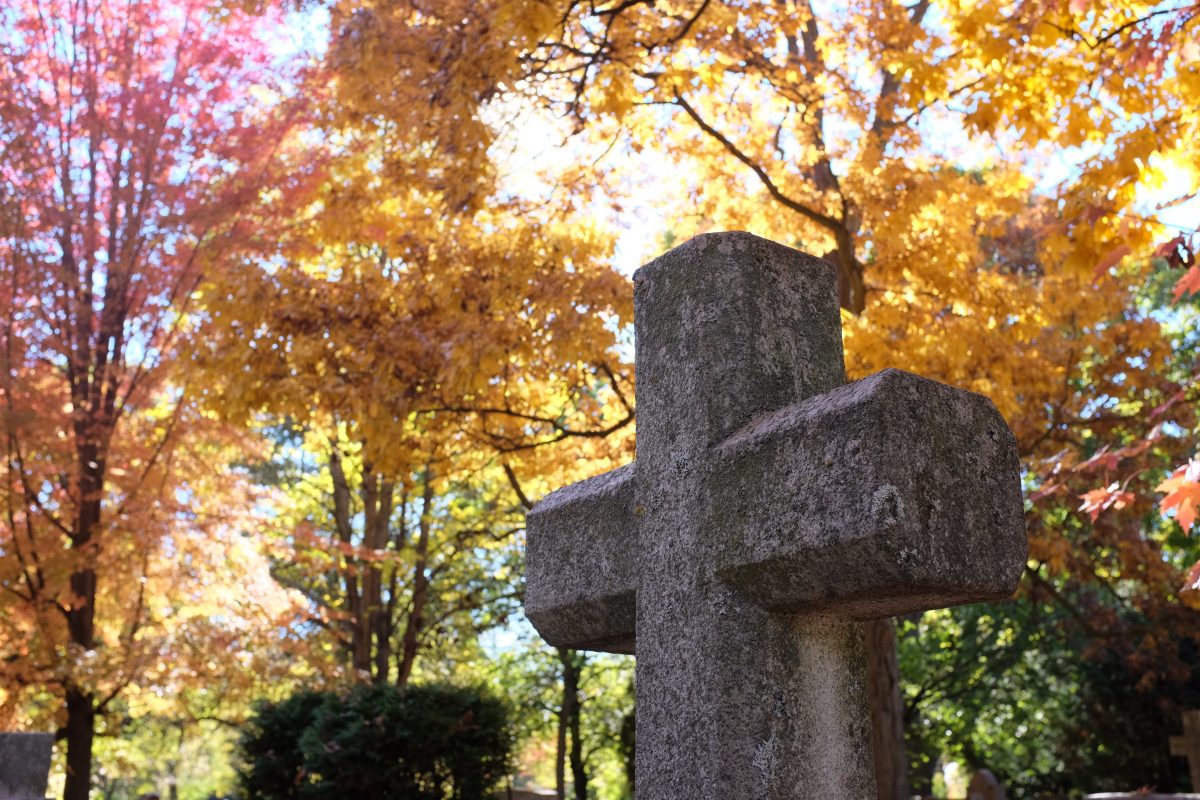
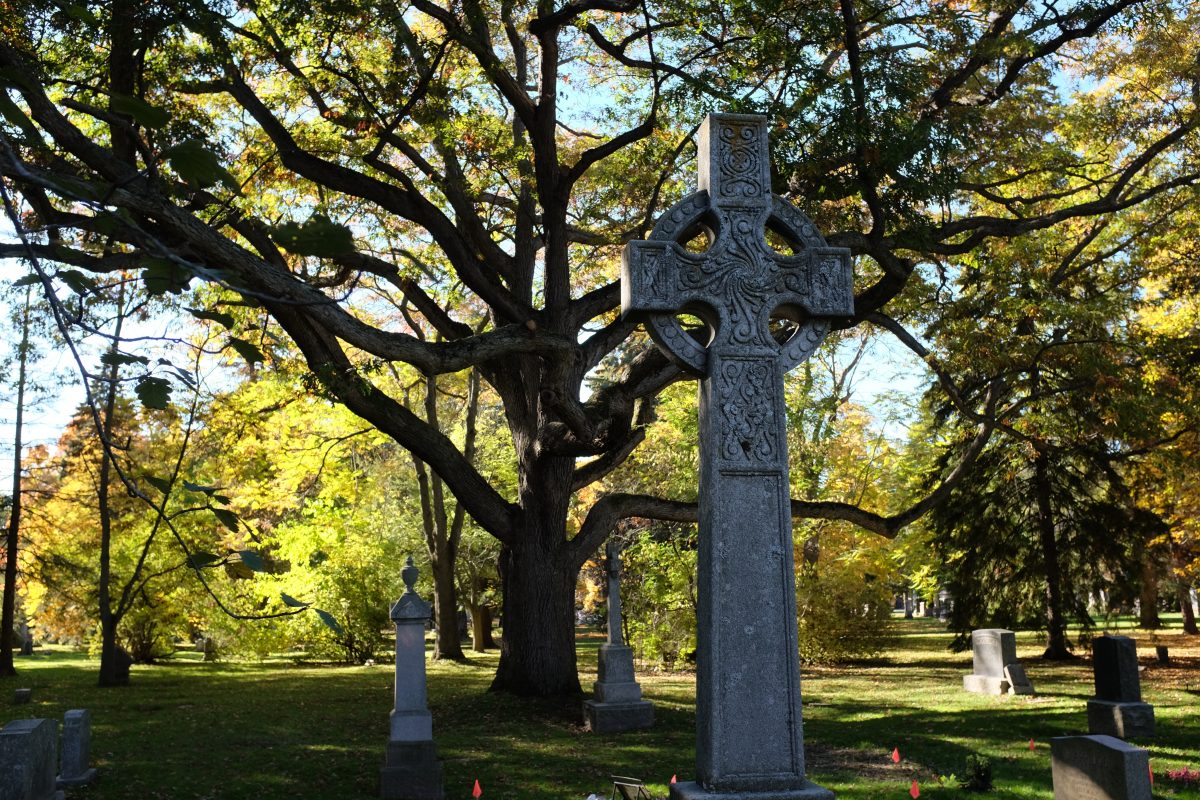
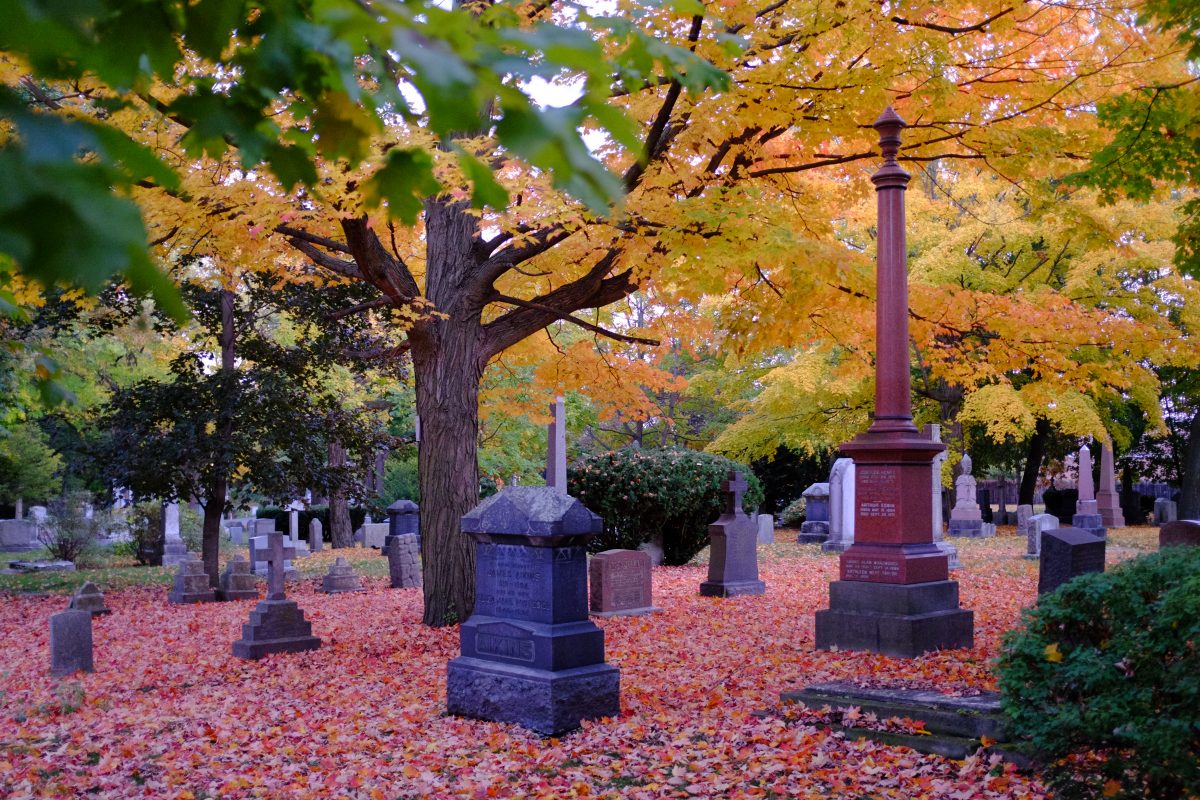
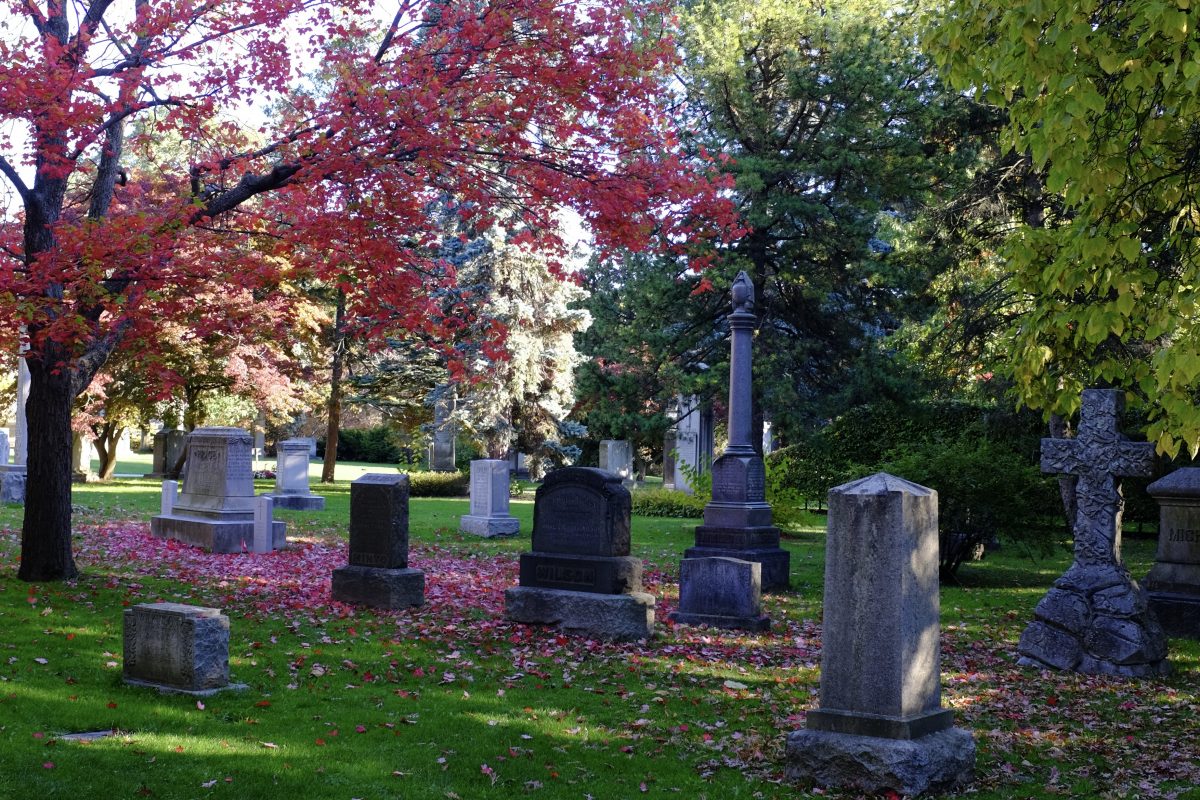
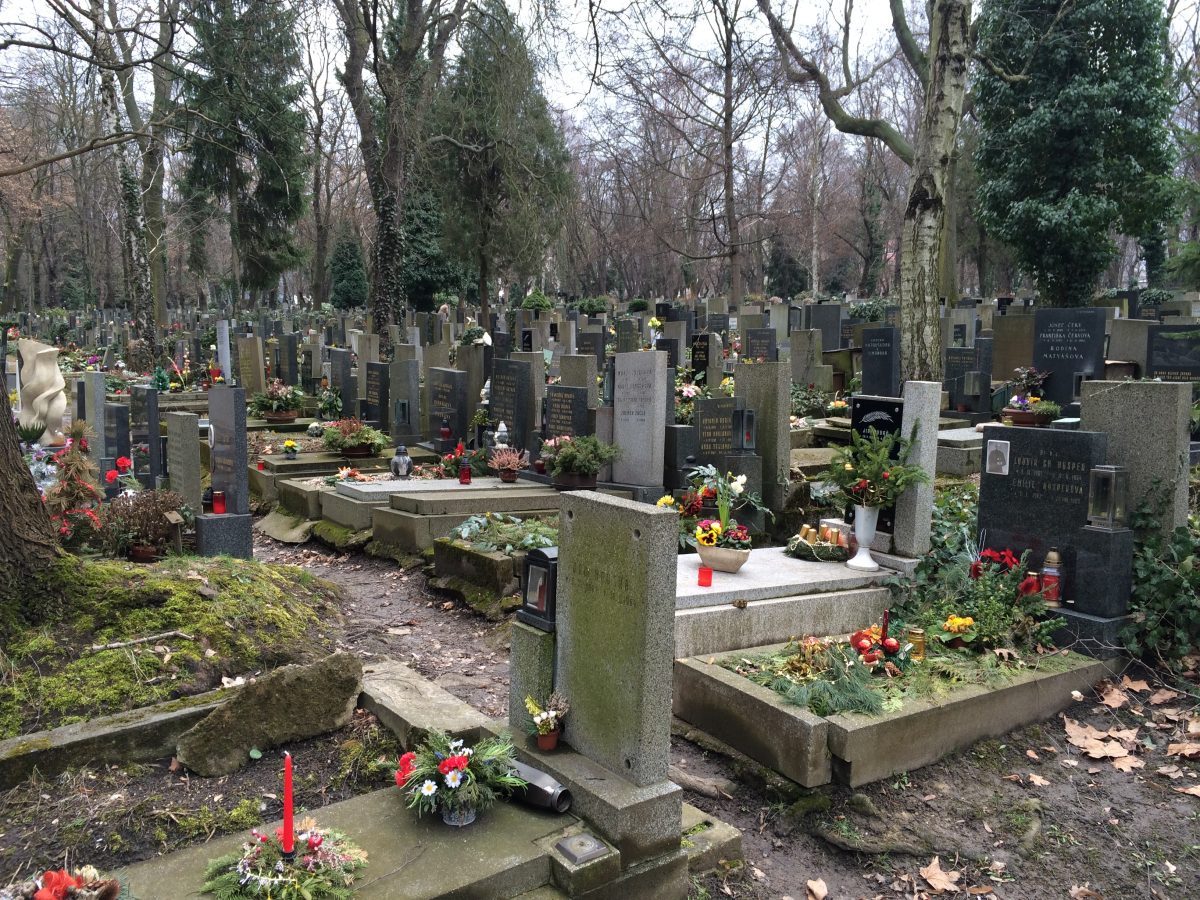
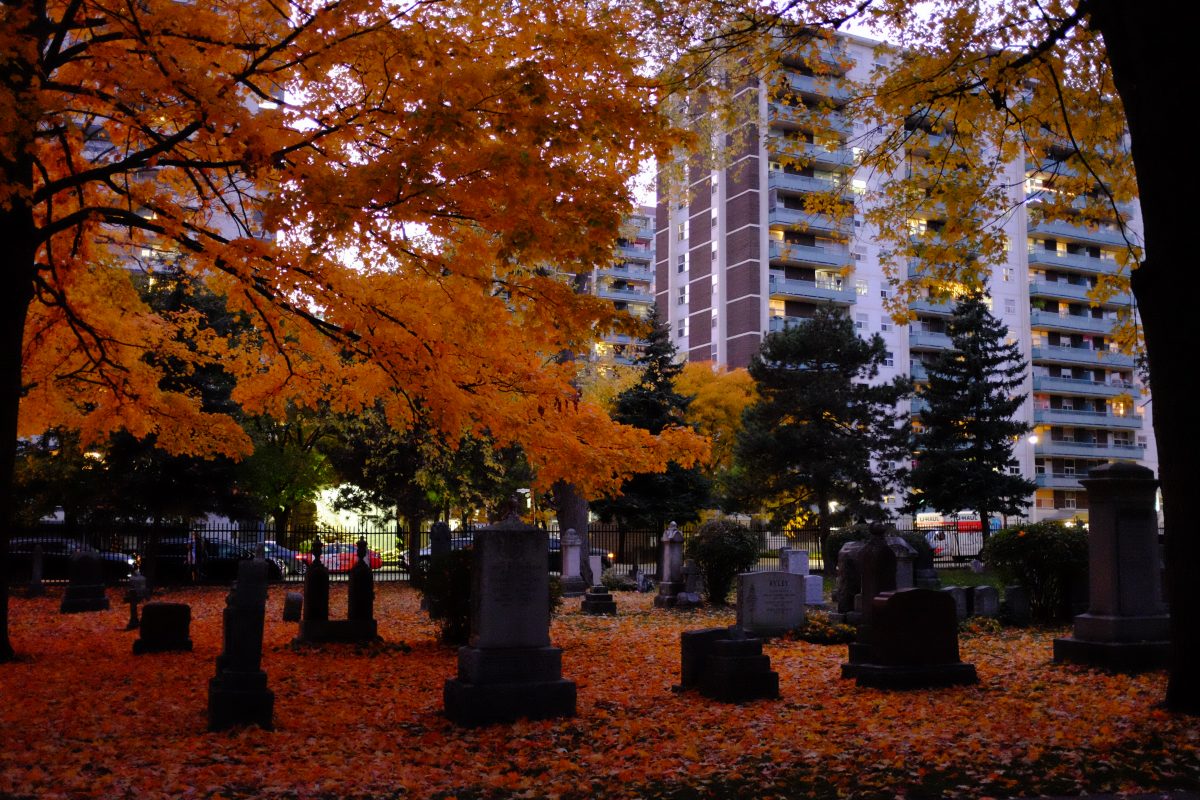
I am lucky to live within walking distance of 3 beautiful old cemeteries: St James Cemetery, The Toronto Necropolis and Mount Pleasant Cemetery. I spend a fair amount of time in these places. Here, gigantic old trees grow to their full natural forms, never chopped and deformed to make way for electrical wires. There is no constant hum and noise of traffic. The are only ever a few people and they usually seem quiet and contemplative. Even their dogs don’t bark. I took these photos over a few autumn days walking through St James and Mount Pleasant cemeteries.
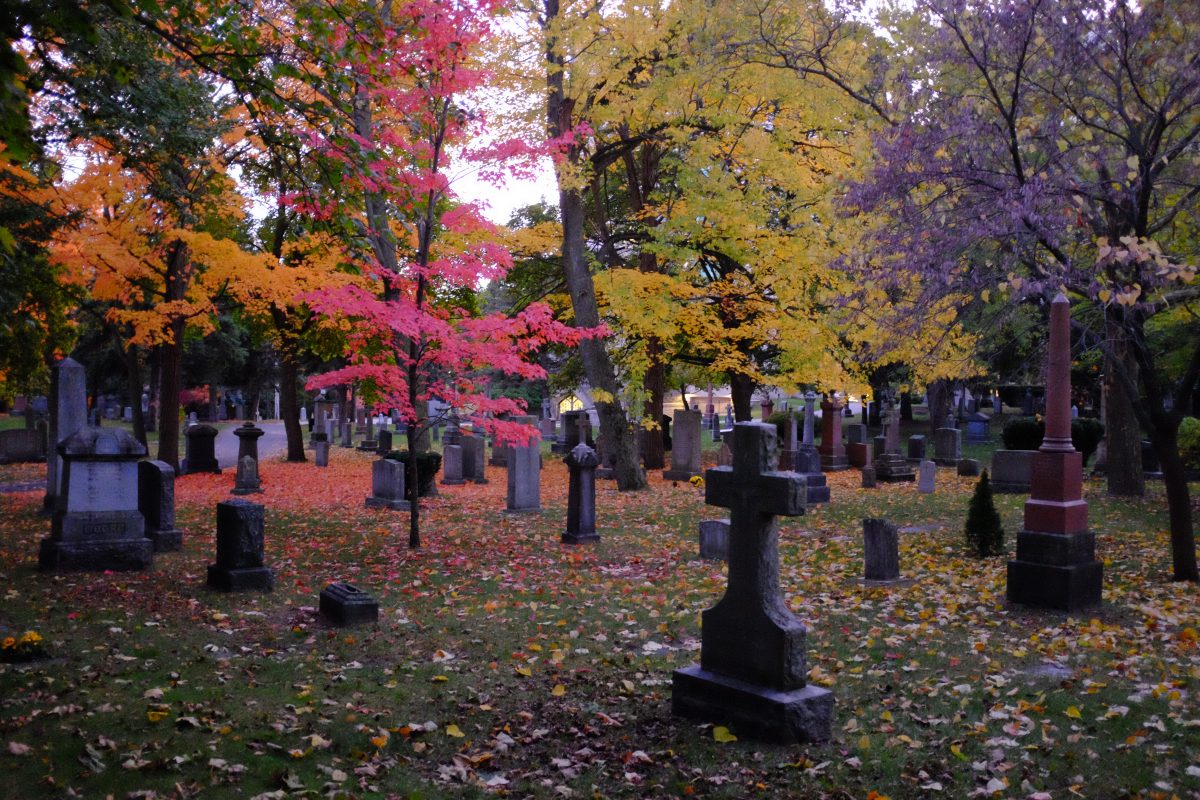
Death (and Beyond?)
As a child, I remember finding dead birds in the grass under big windows and examining their intact but unmoving bodies. I thought: “It looks like a sleeping bird but, something is missing…it’s not asleep and somehow, it’s not really a bird at all anymore.” It wasn’t something I could see…but something I could sense. A cold absence. Going to an open casket funeral some years later, I had the same feeling while peering over the heavily made-up face of the old woman in the box: this is not really a person anymore.
Growing up, I never lost my curiosity about death and I paid attention to cultural and religious differences around the subject. I had so many questions. Where do we go, if anywhere? Do we return in a new form? Do we really face almighty judgement for our behaviour during our short time here? If death separates us, will we meet again? Do we just say these things to comfort ourselves when we lose someone or, do we really believe them? Maybe living is just like a light switch: Now it’s on…you are alive. Now it’s off…darkness…forever. I guess only the dead have all the answers and, at least in my life, they remain silent.
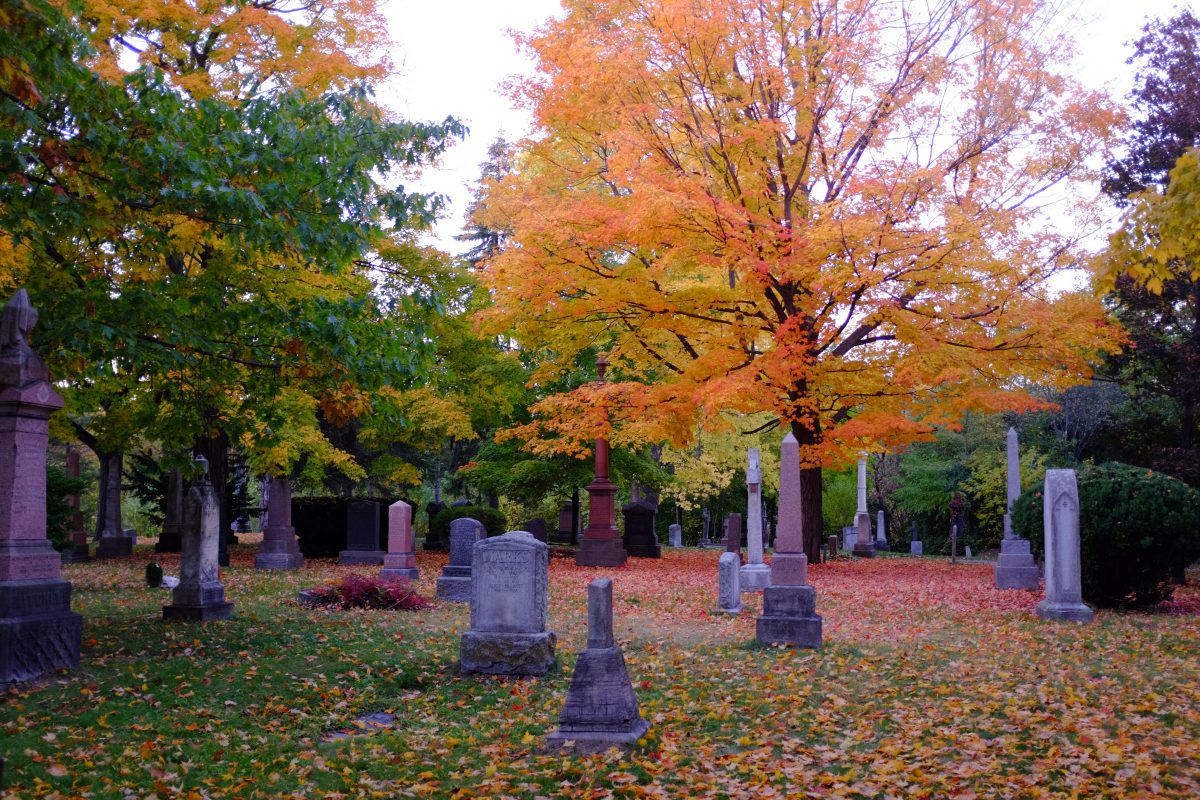
What I know for certain is that the dead can live on in our thoughts, in our memories. They can be present in that way. When I visit a cemetery, I am always mindful of the fact that I am walking among graves and not in a city park. And even though the dead are silent, I feel like I am meeting them in some way. Reading their names out loud and calculating the bracket of time stamped on their headstones I wonder what they might have done while they were still here. Who did you love and what did you care about? How did you manage to grow so old? And why did you die so young?
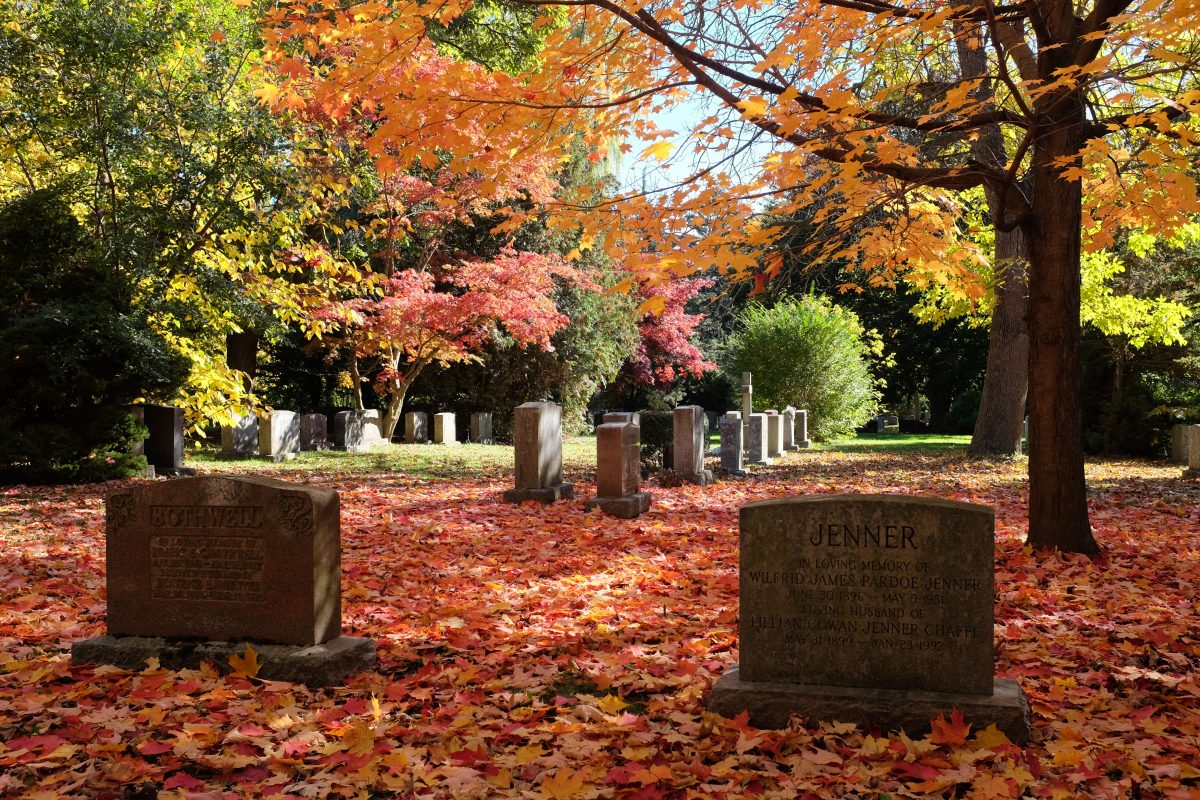
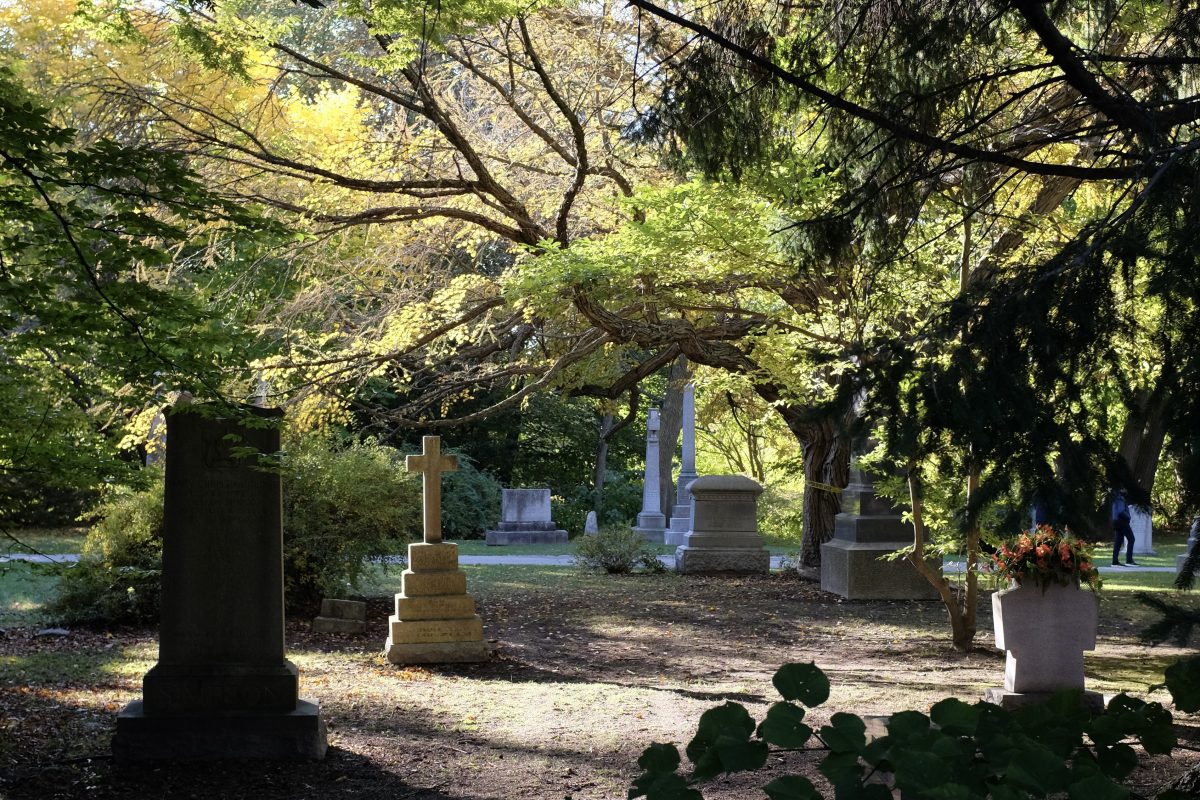
Remains:
Long ago, reading a Rohinton Mistry novel, I discovered the Zoroastrian practice of laying the dead out on a Tower of Silence for the vultures to eat the flesh from the bones. The idea seemed shocking at first but later, I learned that this custom is a final act of charity: to feed the flesh to the birds rather than letting the body go to waste. The living help the dead to perform a final act of good will. In the West, this might seem like an objectionable practice. But, the Zoroastrians would probably think that incinerating a body in a gas oven and placing the ashes in a jar to display is strange and wasteful. There are so many different ways that the living dispose of the dead. Religious or cultural beliefs usually dictate the method, but more recently, economics of space and cost are influential as well.
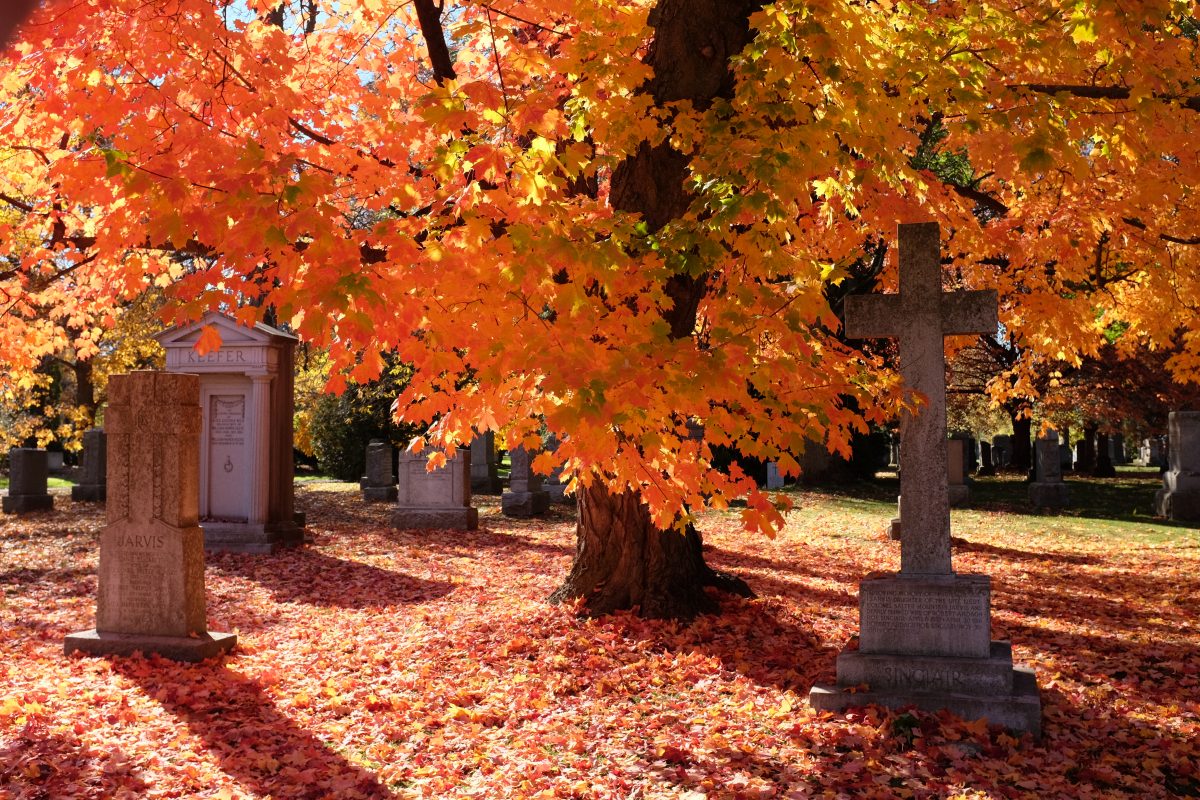
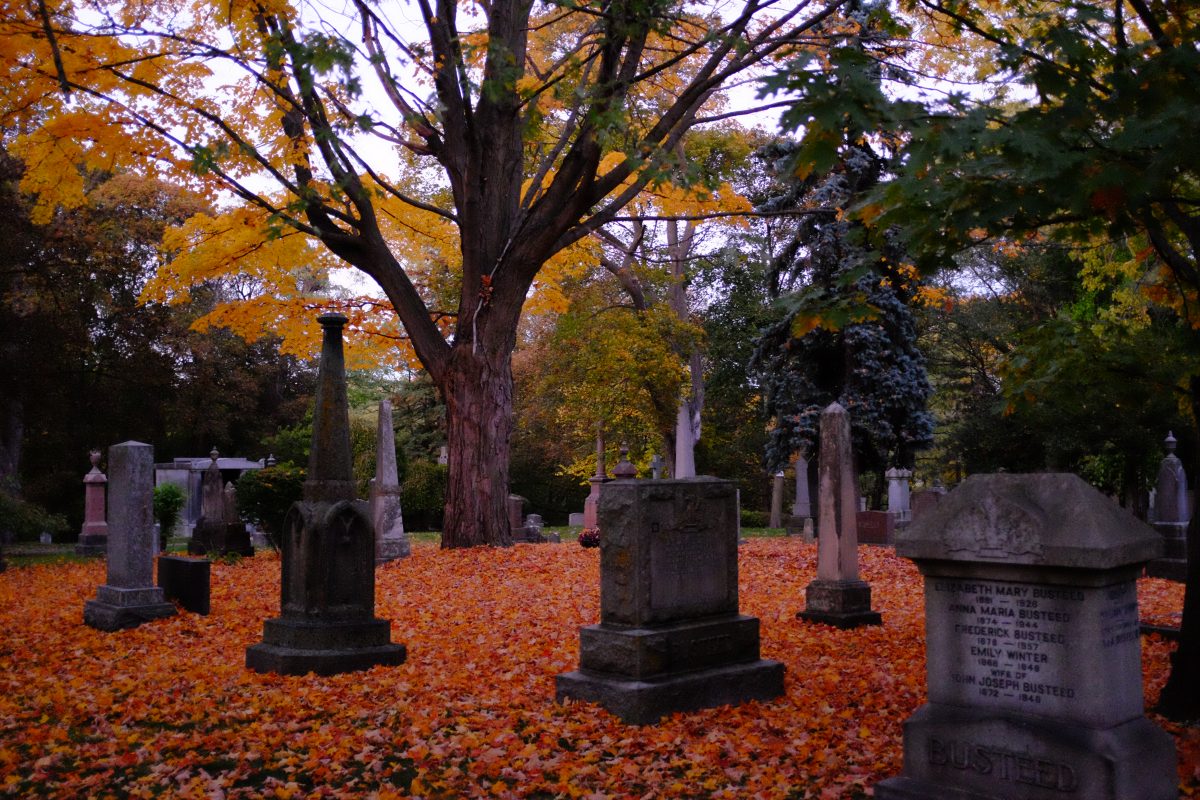
These days cremation seems to be most common method while certain religions still insist on whole body burial. “Green” burials (where shrouded bodies are interred to decompose in a natural area) are becoming increasingly popular. Burial at sea for servicemen and civilians still happens. A few small areas of the world still practice mummification. In Tibet, because there is only rock underfoot, the dead are left on a high peak to decompose or be eaten in what is known as a sky burial. Similarly, indigenous tribes in parts of British Columbia and the US southwest used to perform tree burials, where a body wrapped in a shroud gets placed in the high crook of a tree for nature to use.
About Cremation
I have noticed quite a few job openings for crematory workers lately. The pay is high and there are almost no requirements other than being able to lift heavy things (one end of a corpse I assume). Not knowing much about the process of cremation, I did some research.
As expected, bodies are placed in gas ovens and burned at high temperatures over several hours. But not everything turns to ash. Bone fragments remain, and these get put into a “cremulator“, which works much like a coffee grinder. Bone fragments go into a hopper, get ground up and deposited into in a paper bag below. The bag of ash and powdered bone is sealed, labeled and placed in a container to be returned to the family. Artificial joints made of metal remain intact after cremation and, if the family does not request to have these parts returned, the metal is recycled and repurposed.
In Japan, cremation is handled a little differently in that the bone fragments are not ground up. Instead, they are collected and placed into an urn which ends up in a family grave or mausoleum. Family members use ceremonial chopsticks to pick bone fragments out of the ashes starting with the legs and ending with the skull. This way, the person will not be assembled upside-down in the urn. It is interesting to imagine of the remains getting handled directly by the family, something that seems so unthinkable in the west.
Traveling
While traveling in different parts of the world, I often wonder if it is ok to photograph cemeteries. I visit them everywhere I go but I never take pictures if there is a ceremony going on or if any family is around visiting the dead. Once, I discovered a beautiful cemetery on a steep hill in Kyoto. There were several families washing graves and leaving offerings so I didn’t take any pictures. But, I was moved by the devotion with which the visitors cared for the graves. It was my first time seeing anything like this.
I have pictures of old cemeteries in Zizkov, Praha, where my mom grew up, ones she would have passed by everyday. They probably look exactly the same now as they did back then. My grandmother is in there somewhere although I haven’t been back since before her death, around the time of Covid. I look forward to visiting her sometime soon.
Gwangju
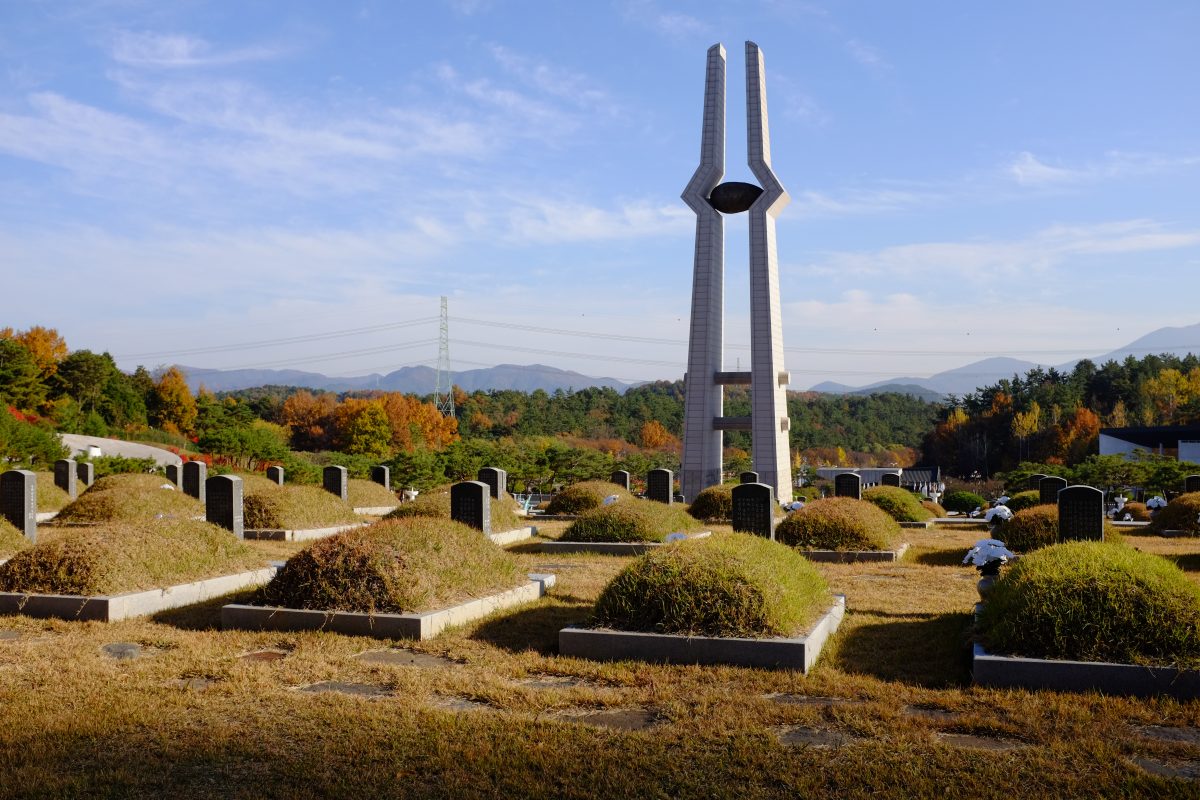
After reading Han Kang’s Human Acts (a deeply affecting book set around the days of the Gwangju Uprising and massacre in 1980), I felt a need to travel to Gwangju on my next trip to Korea in 2017. On a bright and chilly autumn morning, I got on a bus and arrived at the Gwangju Memorial.
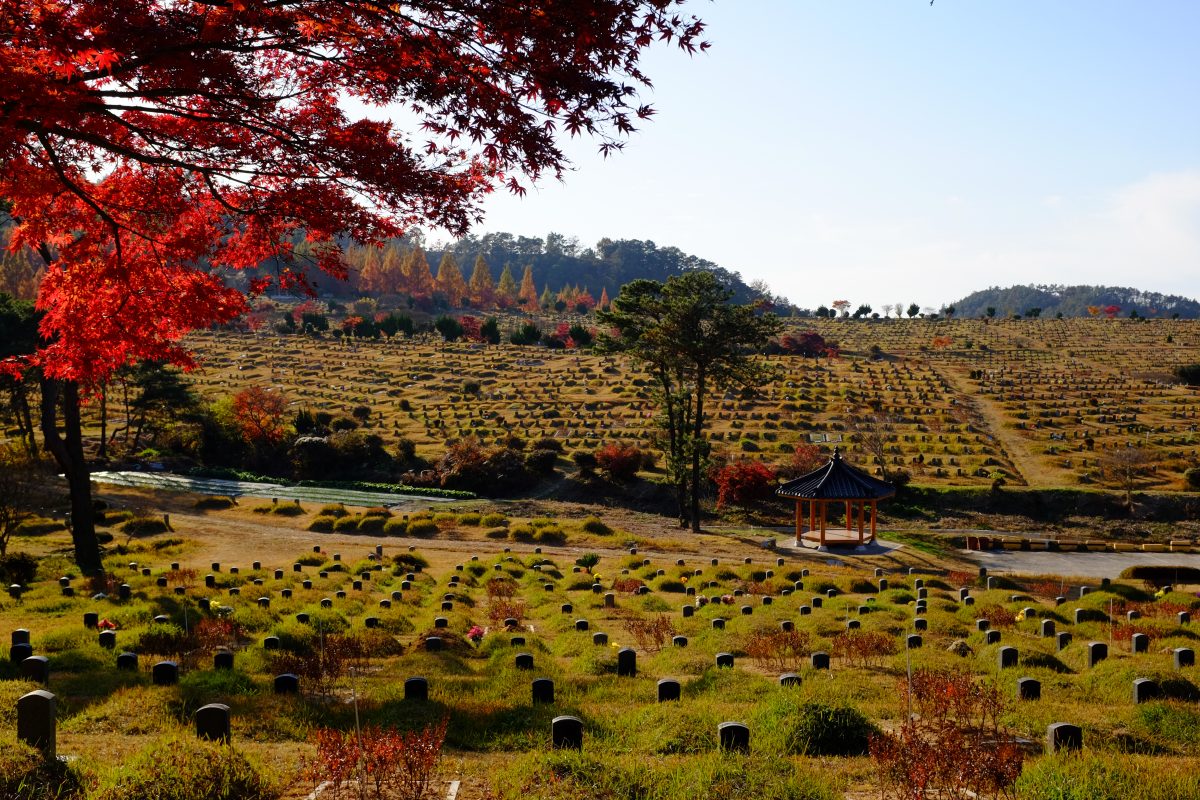
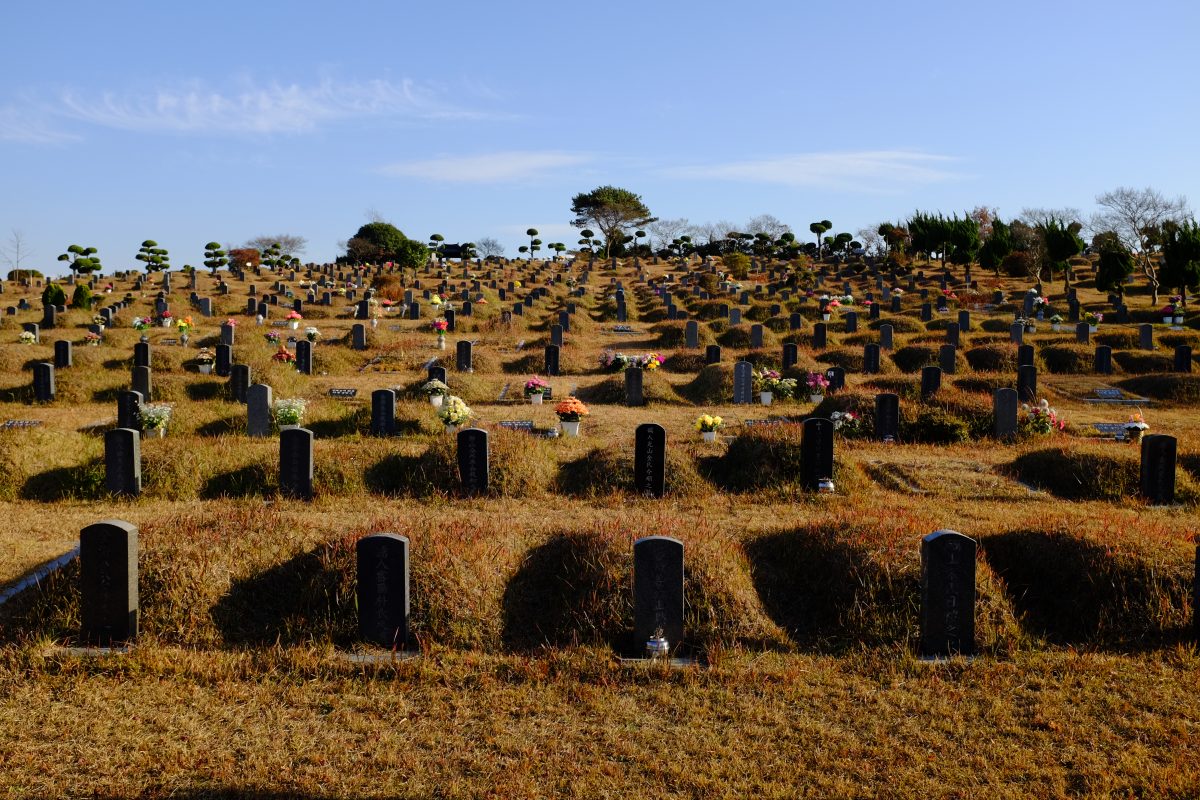
Other than a few attendants at the museum, I was the only person there. It was a truly beautiful place, especially on that day, flooded with sunlight and the colours of fall. After a walk through the memorial and the museum, I wandered on the footpaths which eventually opened up onto an old cemetery in the hills. It was breathtaking: the silence, the beauty. There was nobody else there so I took photos, two of which are below. I remember the distinct feeling of not being alone even though I was the only person in this huge open space.
We don’t talk about death much around here….
I think about death pretty often. And the older I get, the more I think about it. Never in a fearful or sad way…maybe more like a calm acknowledgement that it is inevitable. I am much farther from the starting line than I am to the finish line, and people have been disappearing from my life for years. More than half of the family members I knew growing up are now gone. Childhood friends have disappeared. Even people I have known who were much much younger than I am have had their lives cut surprisingly short.
Death is always accompanied by the deep sadness of those left behind. But, I think it is also an important and positive reminder that you….you are still alive. Whenever I am walking through a cemetery, I am reminded that I will be joining the club in the not so distant future but, more importantly, that I am still alive right now. It’s a potent warning that time is short and shouldn’t be taken for granted. Every minute you are alive is another minute you are closer to death. Really. No exceptions.
As to what happens after our heart stops and we draw our last breath…who can say? I do know that when I am in a cemetery, even though I might be the only person walking among the acres of trees and headstones, it is impossible to feel lonely there. I just never do. Are the dead keeping me company? Are they watching from somewhere?
We don’t talk about death so much in the West so I hope this doesn’t come across as something too uncomfortable or sad. I would be happy if it was just the opposite. Every morning, I wake up feeling genuinely excited to start another day. I can’t wait to see what happens next. I open my eyes and I think: “Ah…I am still here. Thank you!” Every day.
If you have any comments or suggestions, please leave them below. I look forward to hearing from you. Thank you for reading TigerSalad! If you enjoy the content and would like to contribute towards website maintenance and development, you can make a donation here.
Samgyetang
What is samgyetang?
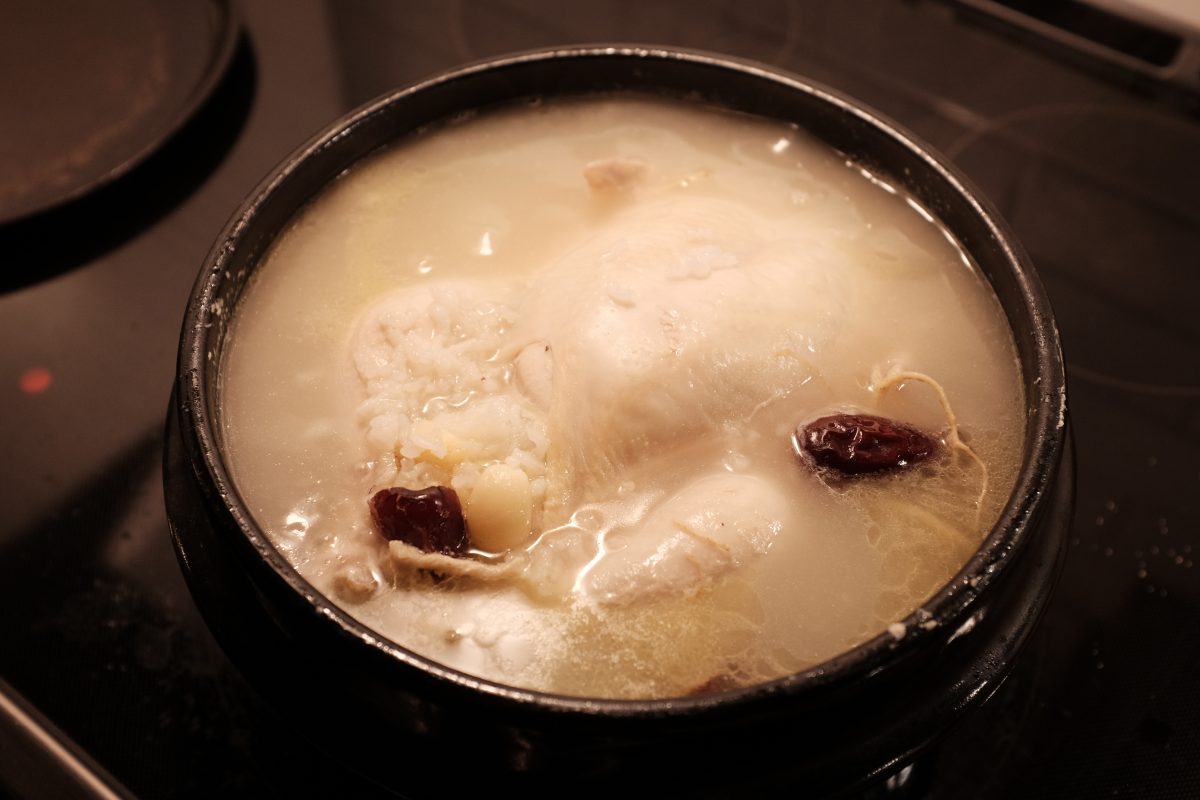
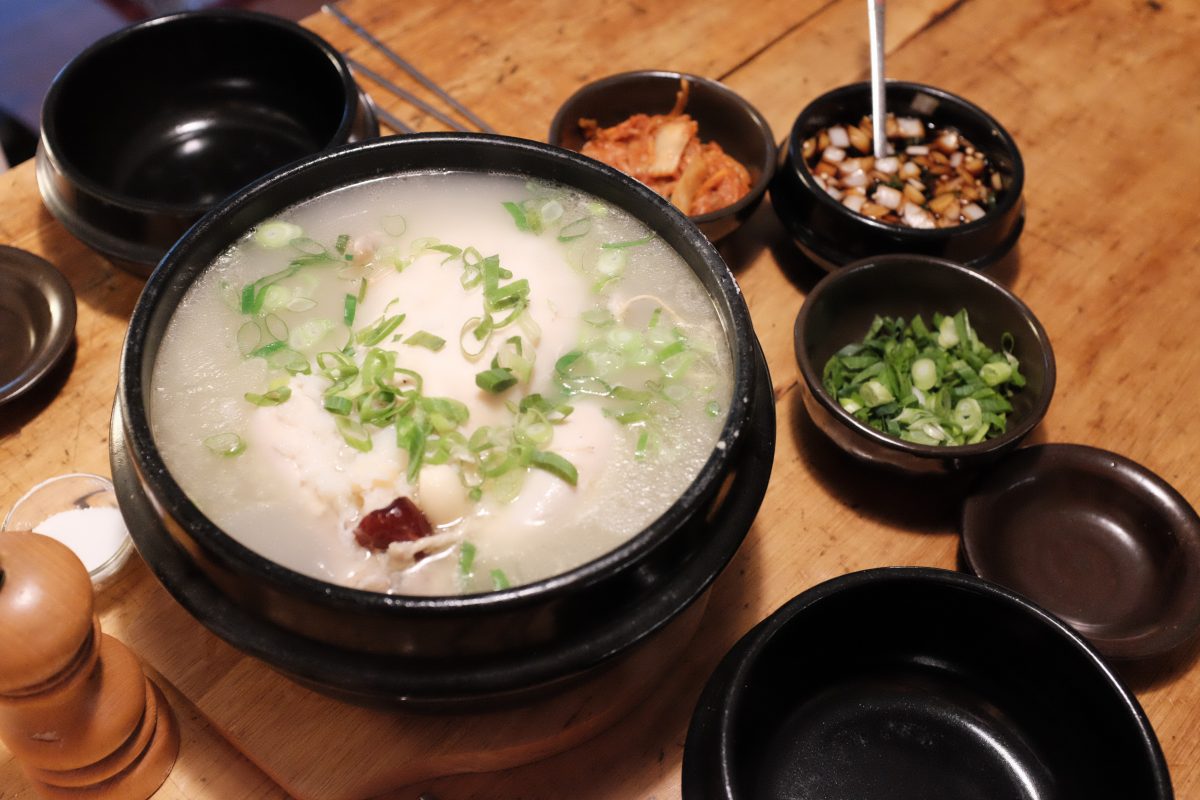
Samgyetang is ginseng chicken soup. “Sam” for insam (인삼), the Korean word for ginseng; “gye” refers to chicken; “tang”(탕) is a soup. It is a hearty and delicious soup that tastes great during chilly months. It is also surprisingly popular during the hottest days of the year in Korea where eating steaming hot food is believed to have a cooling effect on the body.
My first time…
The first time I ate this soup was on a chilly afternoon in Seogwipo City on Jeju Island. Hungry and cold, I was wandering around an area known for restaurants. It was the off-season so many restaurants were closed and most others were serving Jeju black pig samgyeopsal, something that is difficult to eat on your own. Feeling defeated, I decided to go to a nearby convenience store to at least buy some kimbap. On my way I spotted a small house with a sign that simply said “삼계탕” (samgyetang) but this little house didn’t look like a restaurant at all.
When I cracked the door open to peek inside, I was surprised to see an older woman sitting on the floor in front of her sofa, watching TV. I quickly apologized and tried to leave, but she got up and gestured for me to come inside. Hardly knowing any Korean, I simply said “samgyetang”? She nodded and gestured for me to sit on the sofa. She unfolded a small square table in front of me and then disappeared. I sat alone in this room, watching TV and silently wondering if I had made some kind of a mistake. But, a few minutes later, she came back smiling and put 2 or 3 dishes of simple banchan on the table in front of me. And, a little after that, she came back with a steaming black earthenware bowl containing a single small chicken in a bubbling broth.
I ate this delicious steaming meal as fast as I could without burning my mouth. The woman seemed pleased when she saw all the empty plates. I gestured to pay, she accepted my money with a nod and a smile and I was on my way.
That meal seems like a mystery to me to this day. Was it really a restaurant? Was it a dream? It seemed like some kind of a magical chapter in a book. Someday I will return to investigate. These are the best kinds of travel experiences. There is something deeply lonely about traveling by yourself, but I think that it also opens many doors that may not have otherwise materialized at all. Like the door to this little house where I first ate samgyetang on a chilly afternoon on Jeju Island, perched on the edge of a sofa watching TV.
Ingredients
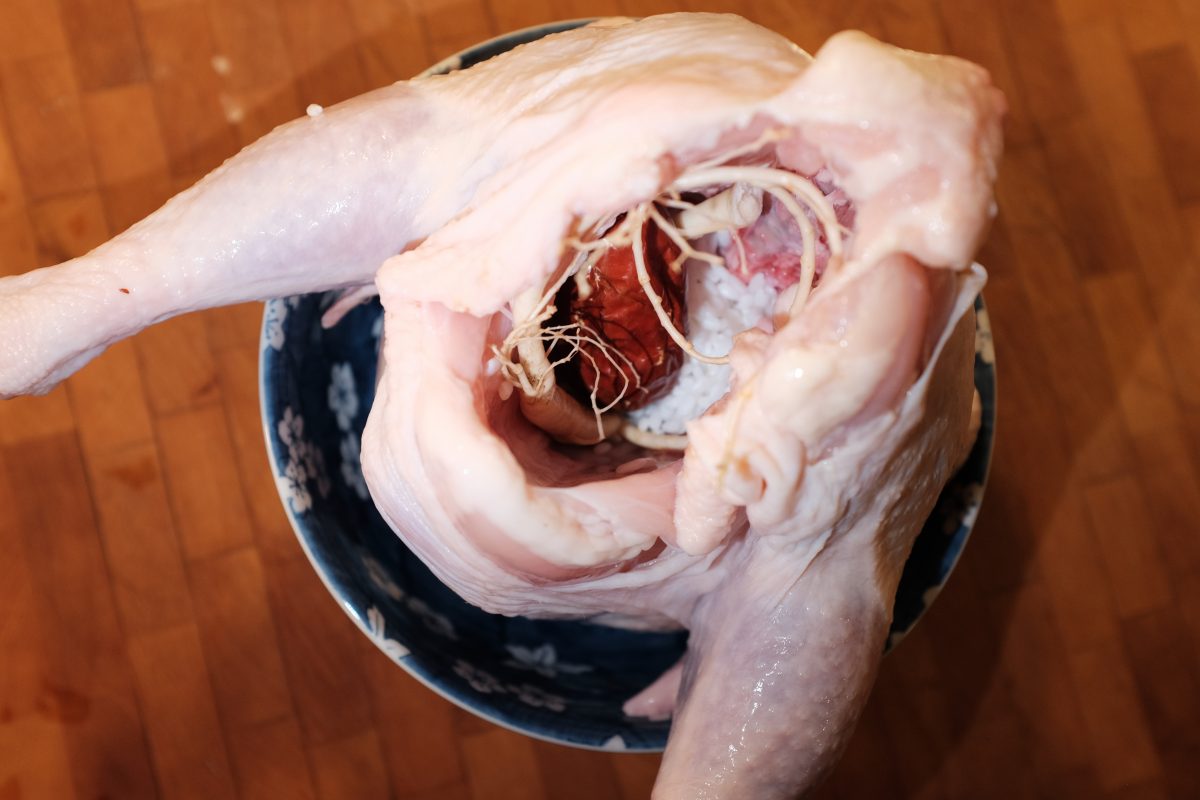
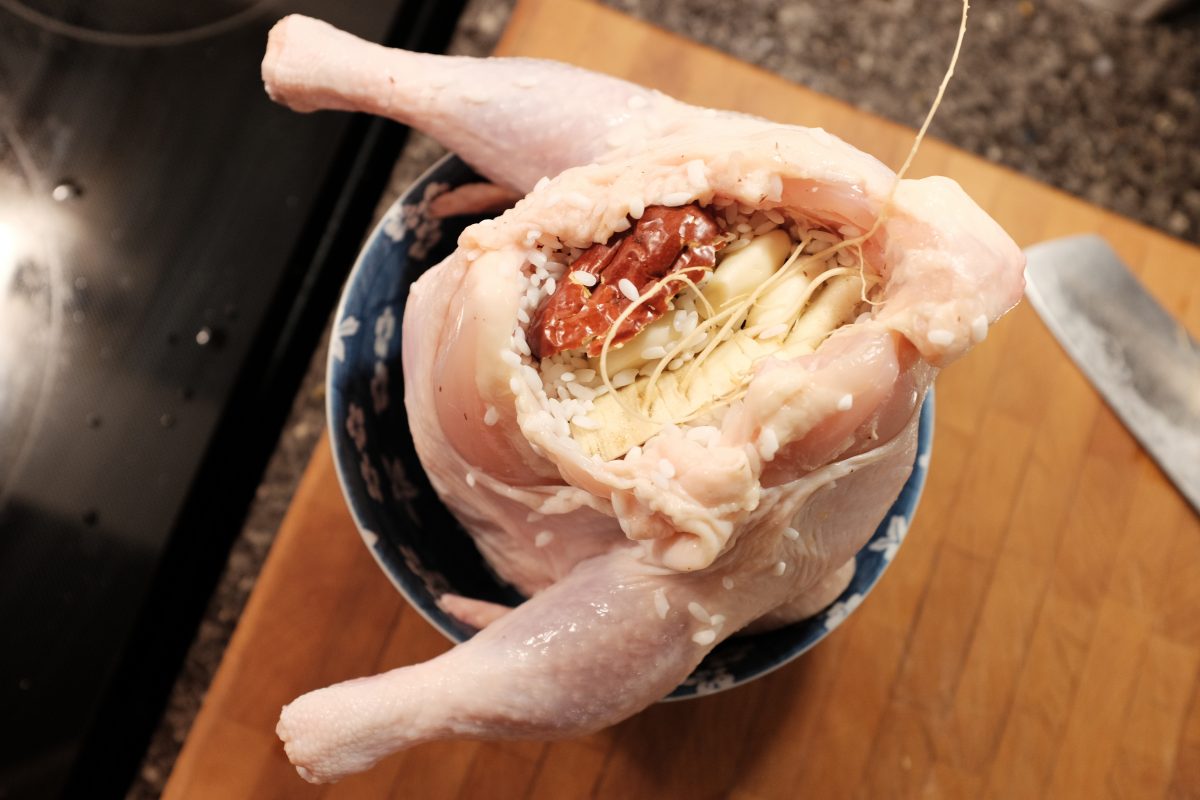
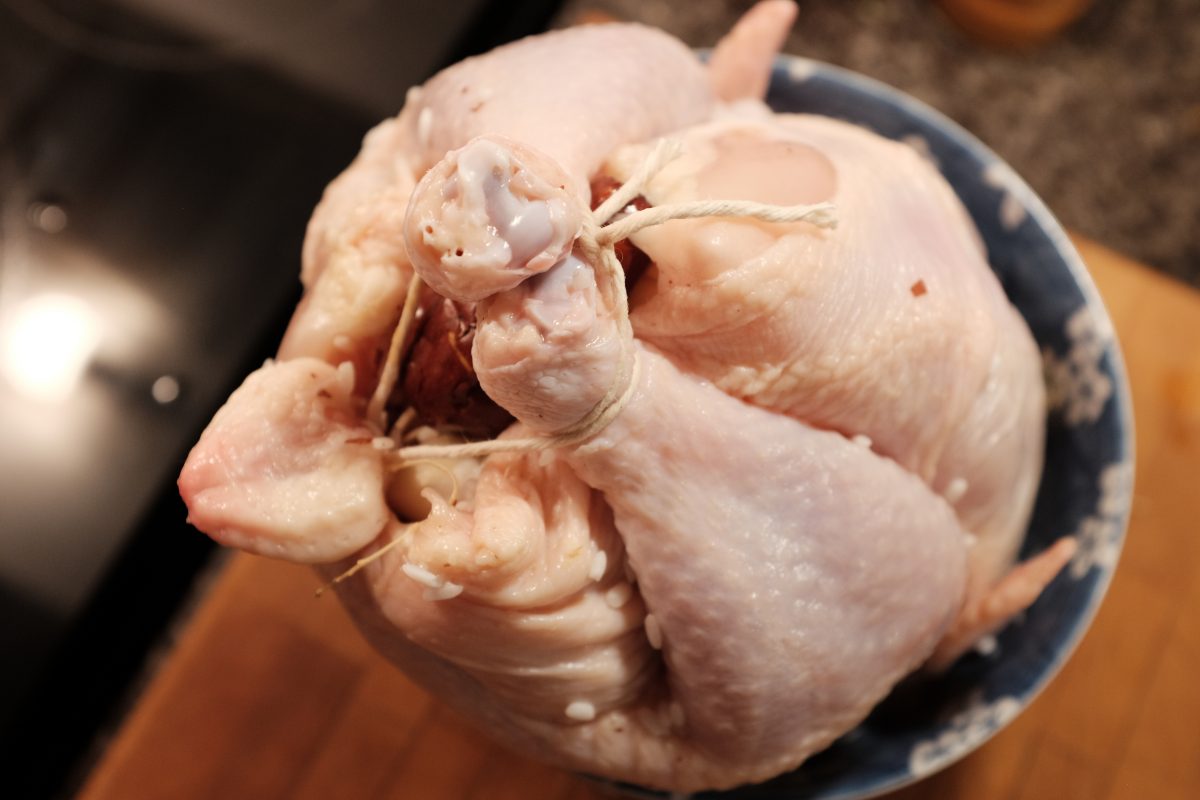
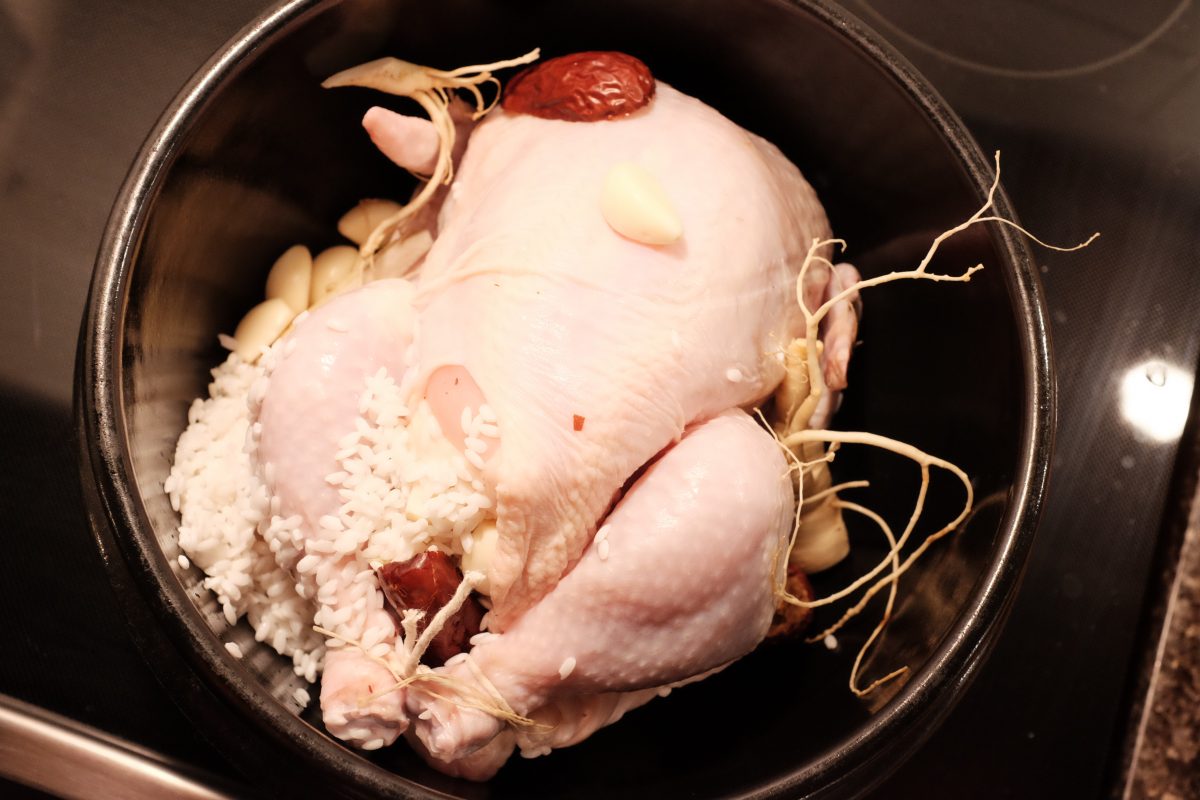
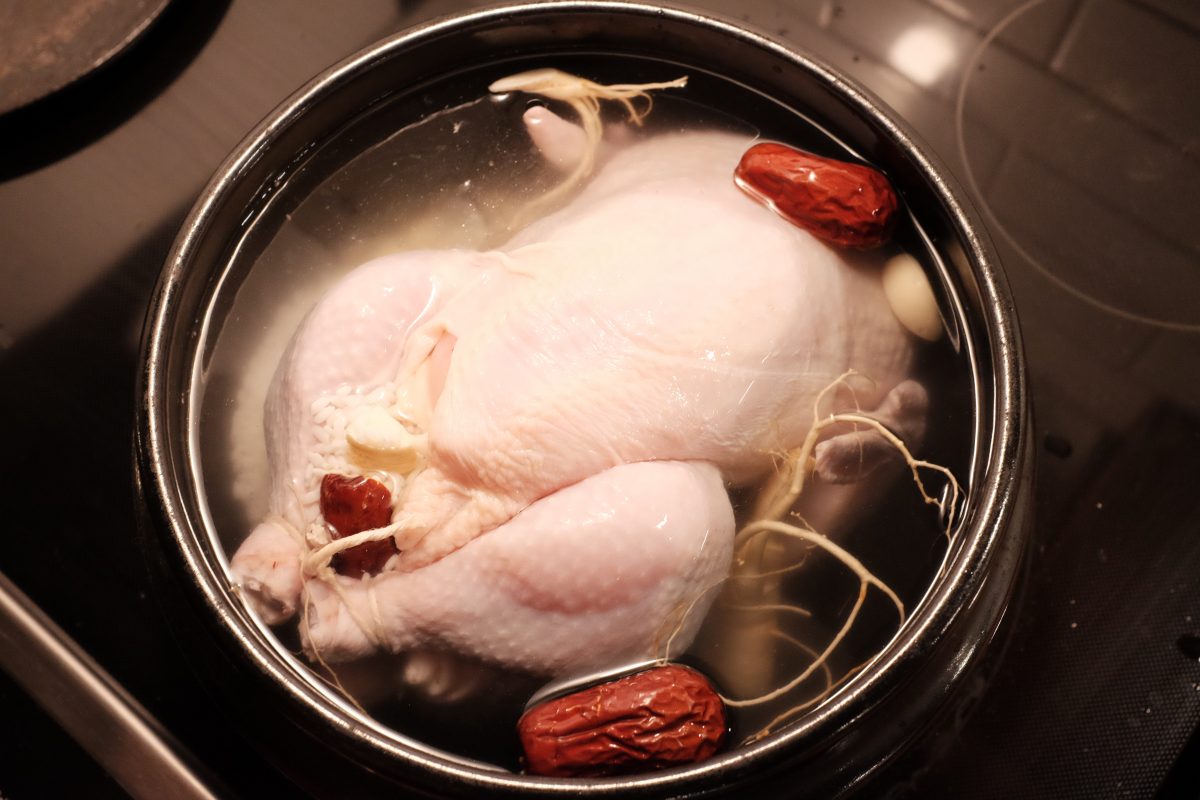
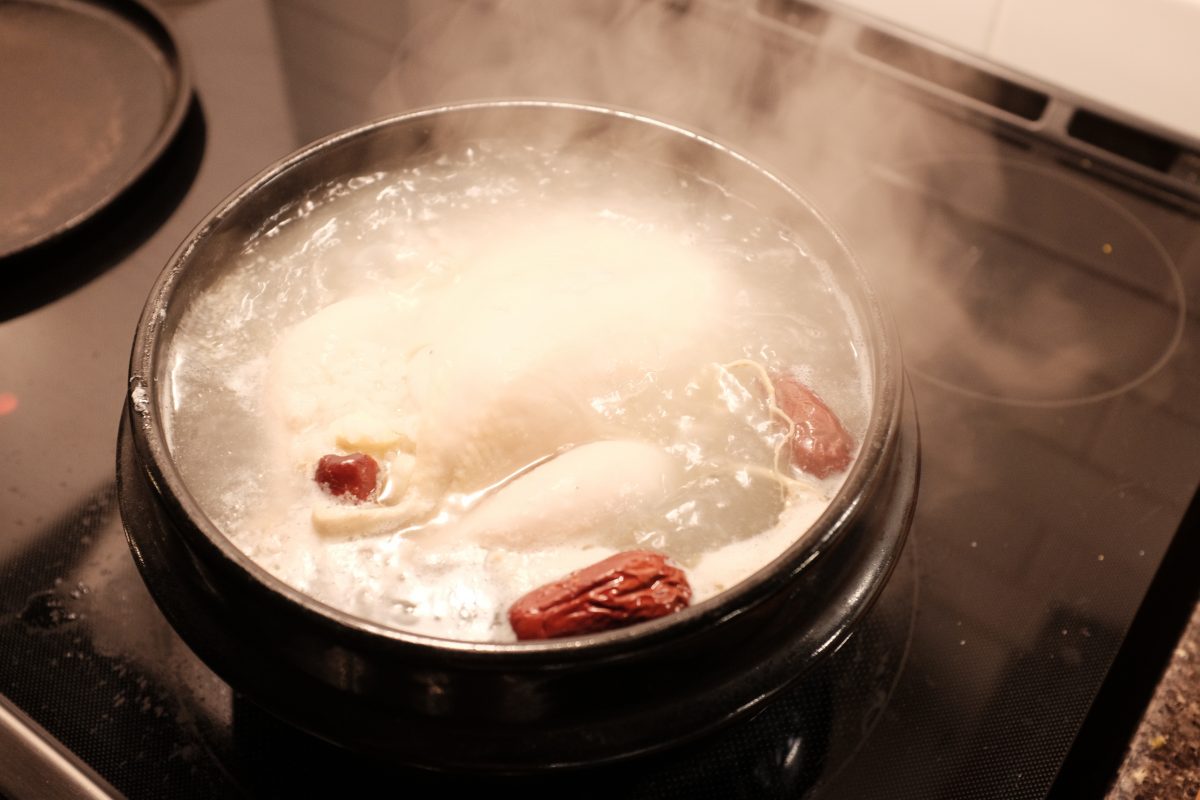
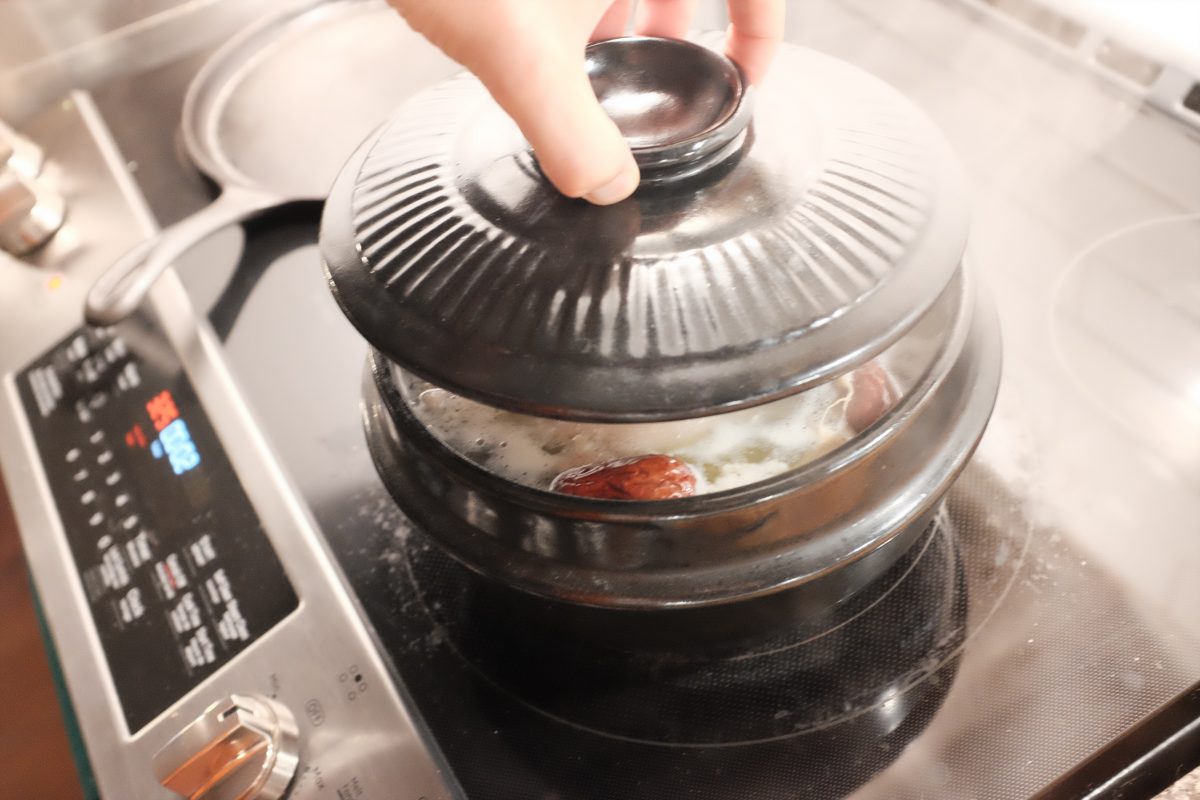
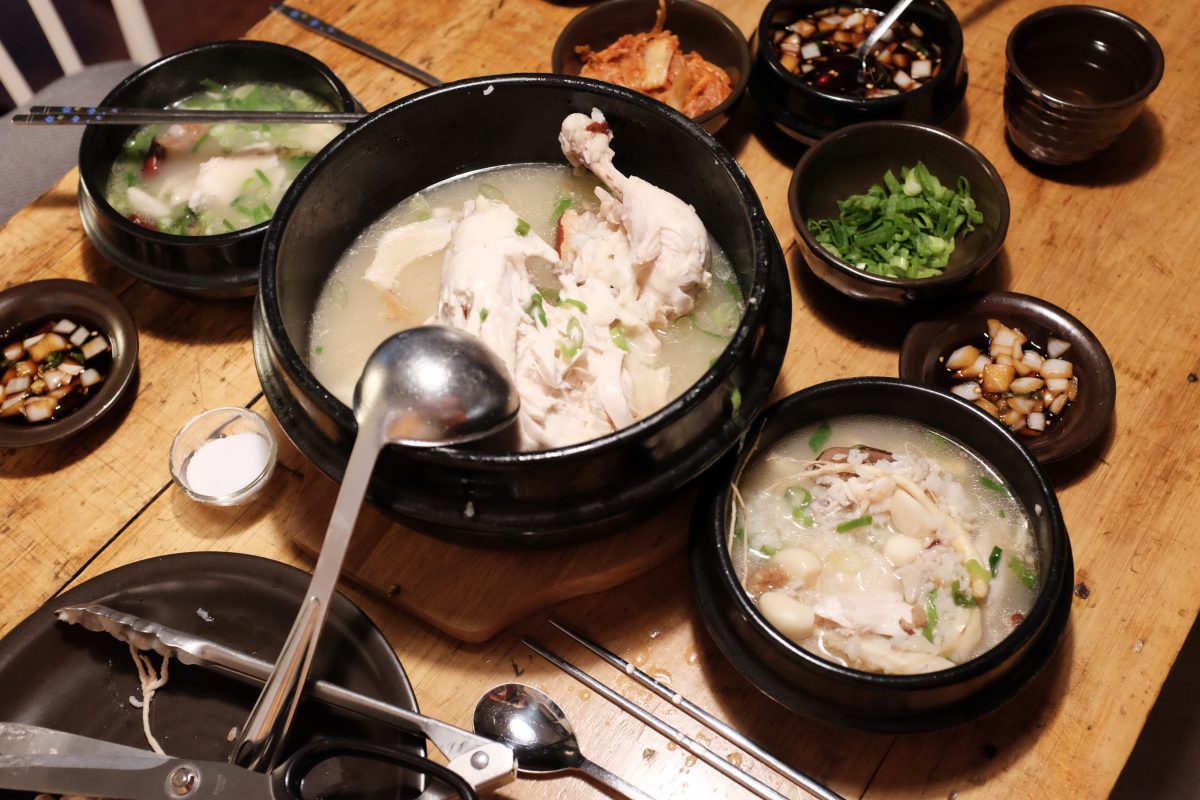
I made this recipe in a single large pot with a small whole chicken to eat family style. If you prefer, you can also make 2 separate portions out of this using the same amount of ingredients and 2 Cornish hens instead. It looks prettier when you serve each person their own whole bird and it is a lot less messy. Chickens are quite a bit less expensive and easier to find than Cornish hens so this is what I usually use.
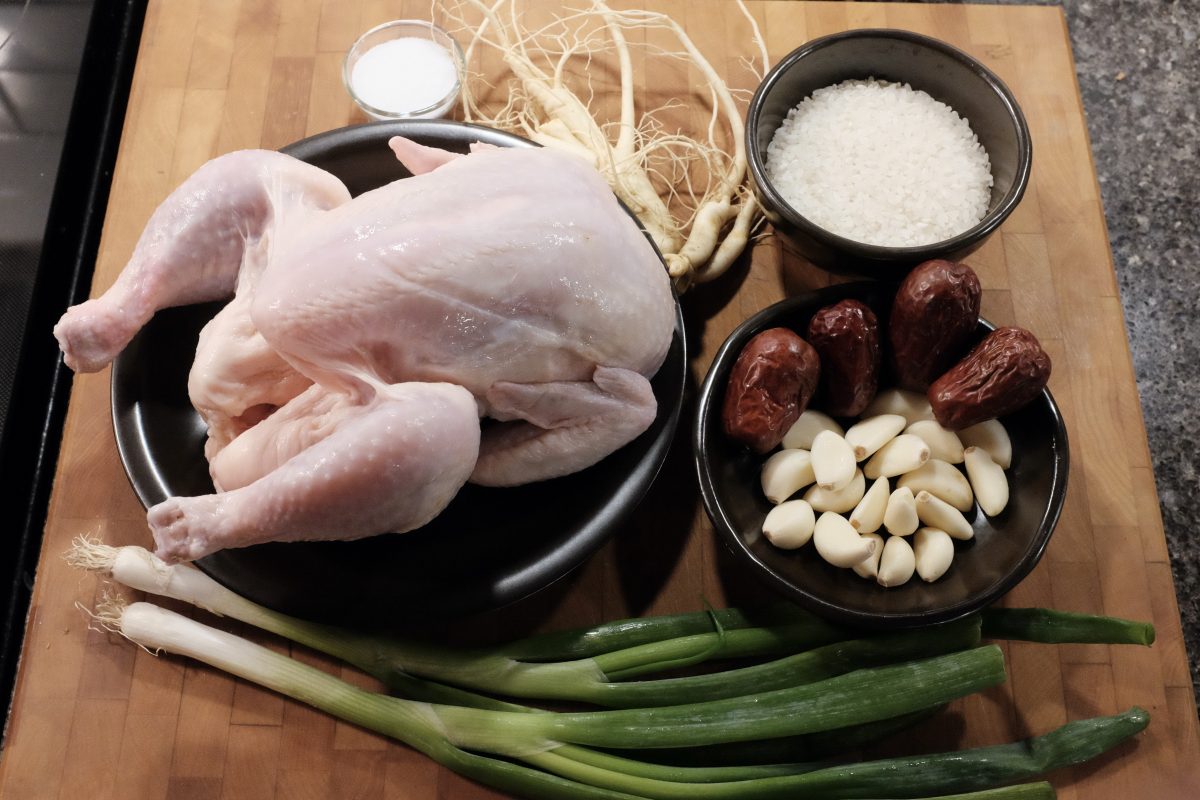
- 1 small to medium chicken (or 2 cornish hens)
- 15-20 whole cloves of garlic
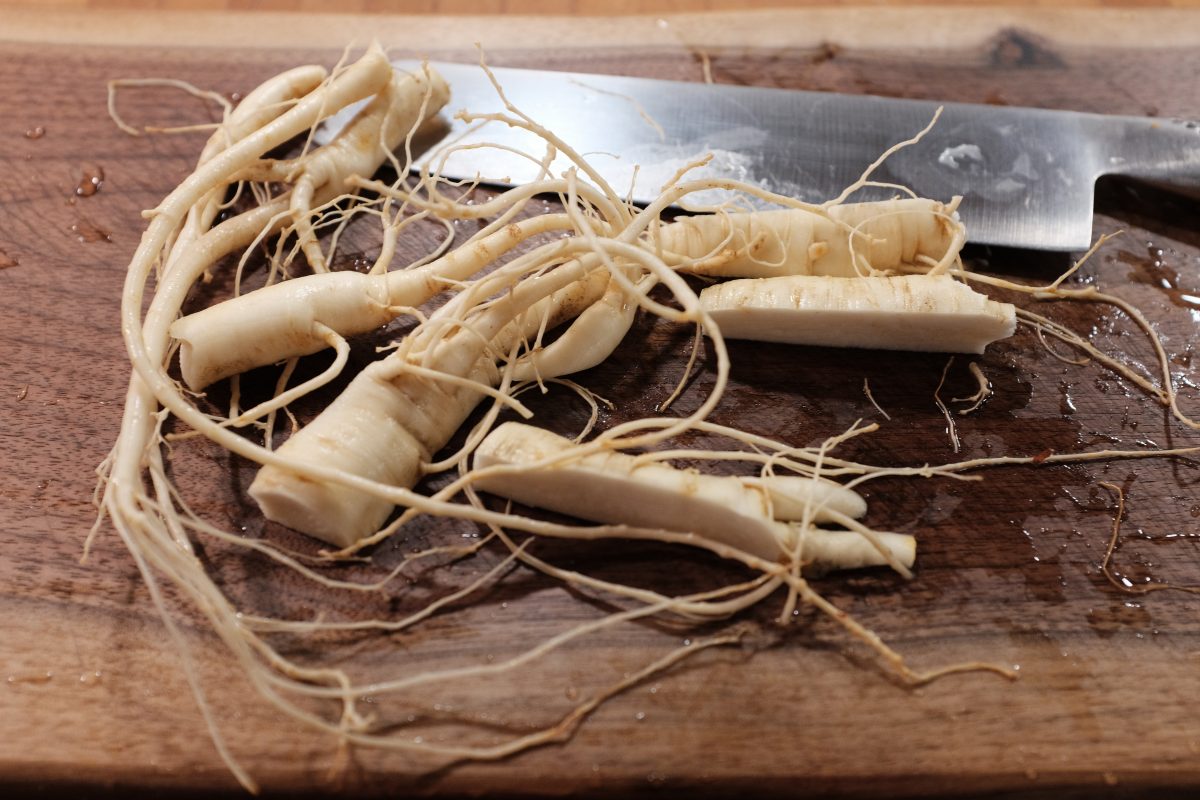
- 2 fresh ginseng roots
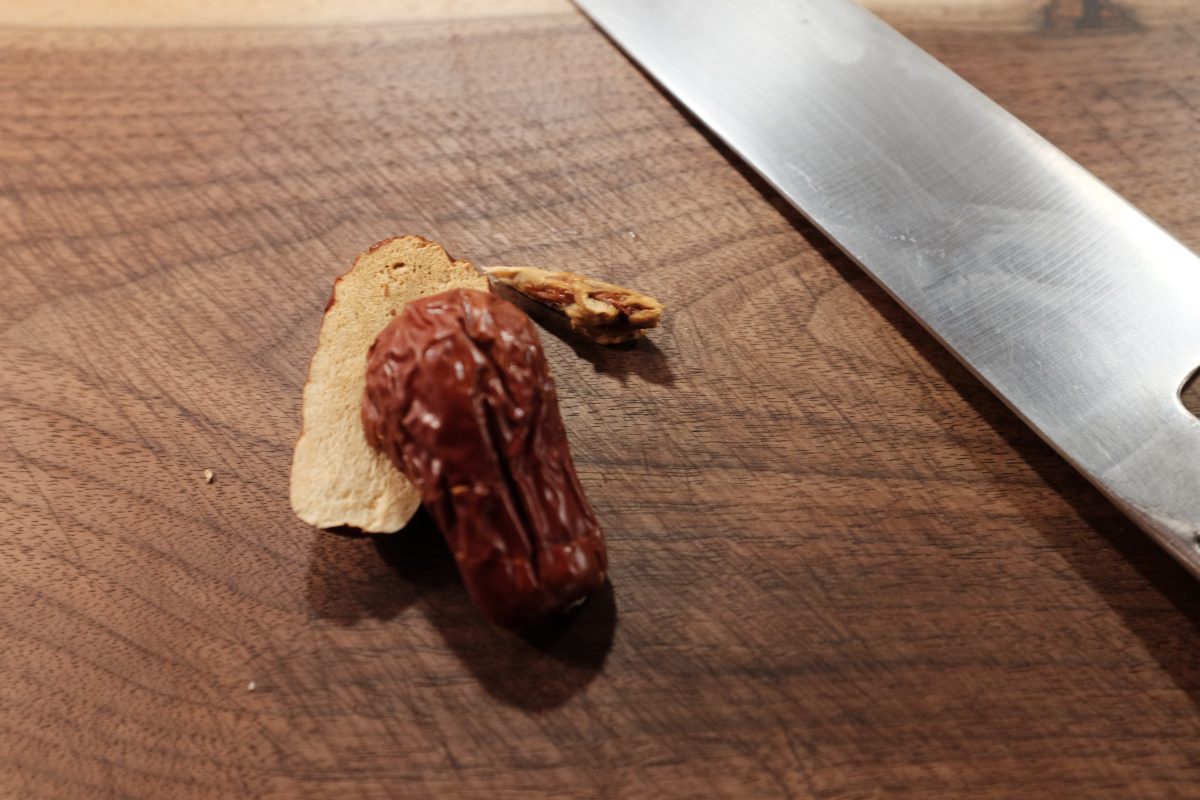
- 4 dried red dates (jujubes/daechu)
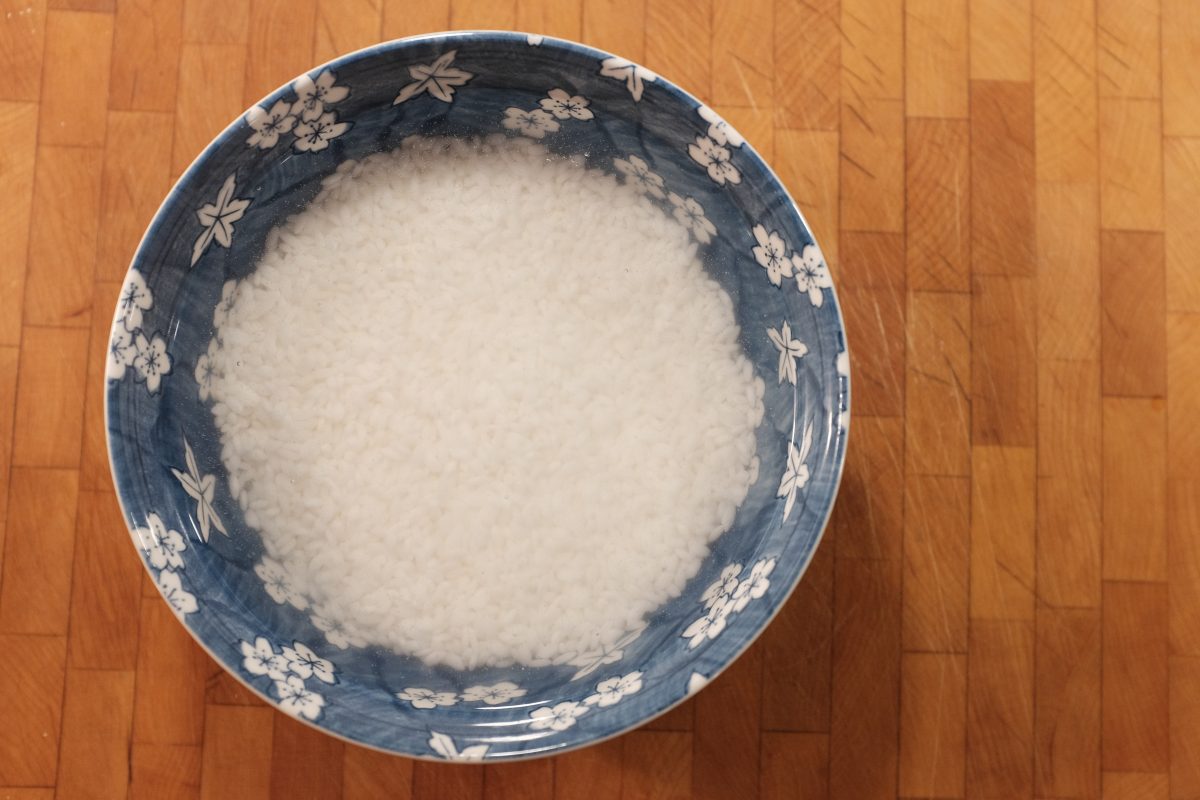
- 1 cup short grain rice (you can substitute with glutinous rice/chapssal)
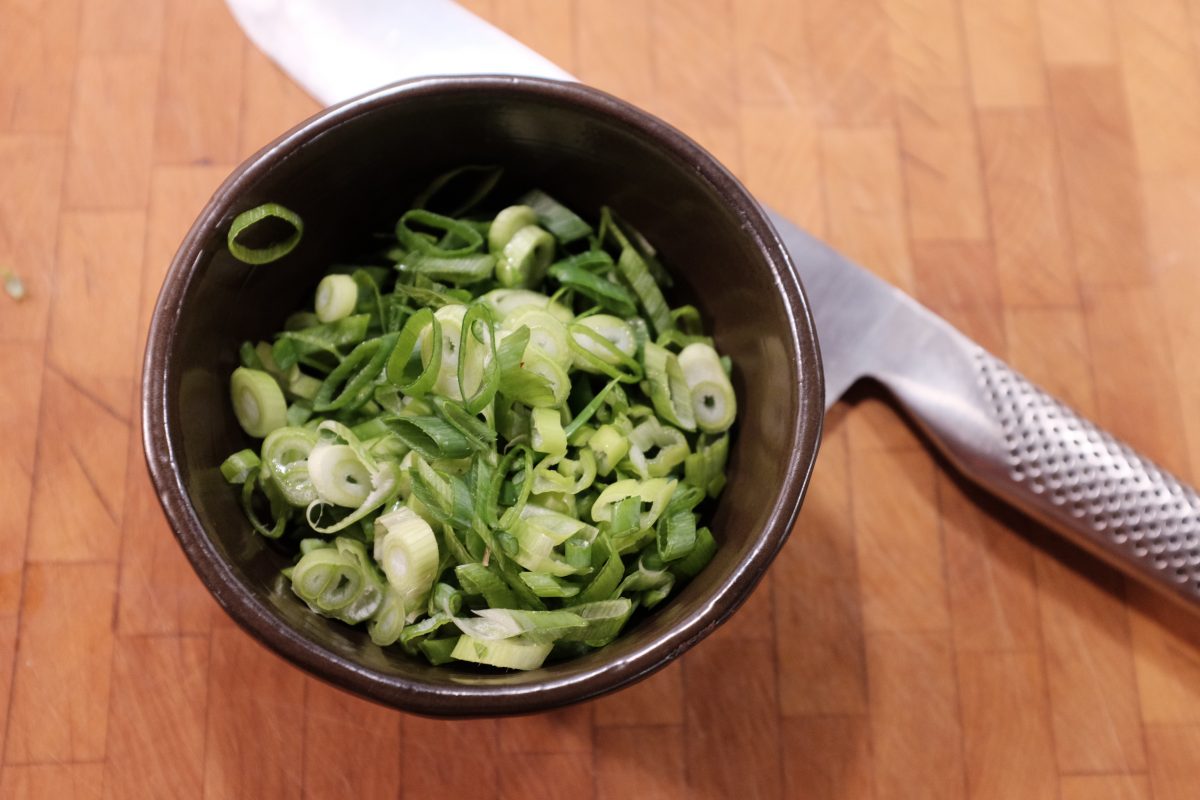
- 2 green onions
- salt and pepper
I am always able to find fresh ginseng at Asian grocers. Same goes for red dates: you may see these called Chinese red dates, jujubes or daechu (대추).
***At the end of the soup recipe there is a recipe for dipping sauce to go with it. Scroll to the bottom for that one. You can make it while your chicken is cooking.
Process
Serving
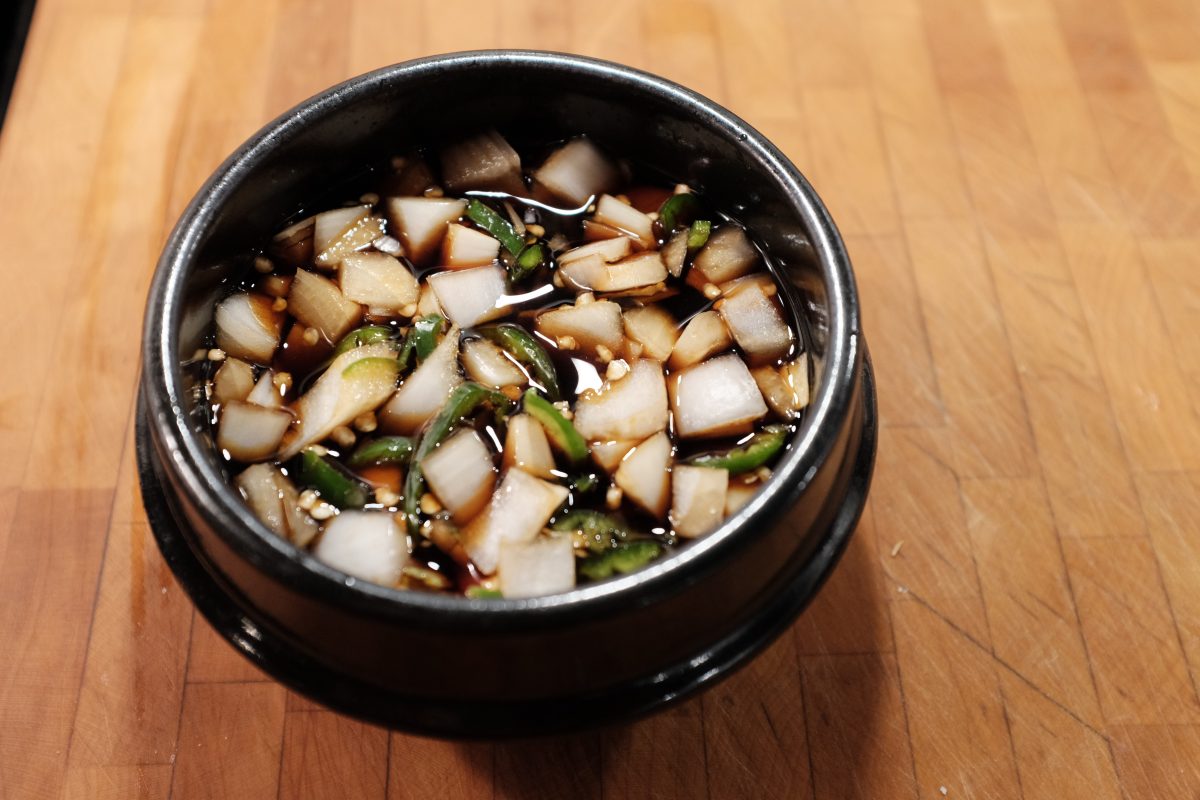
Soy and vinegar dipping sauce
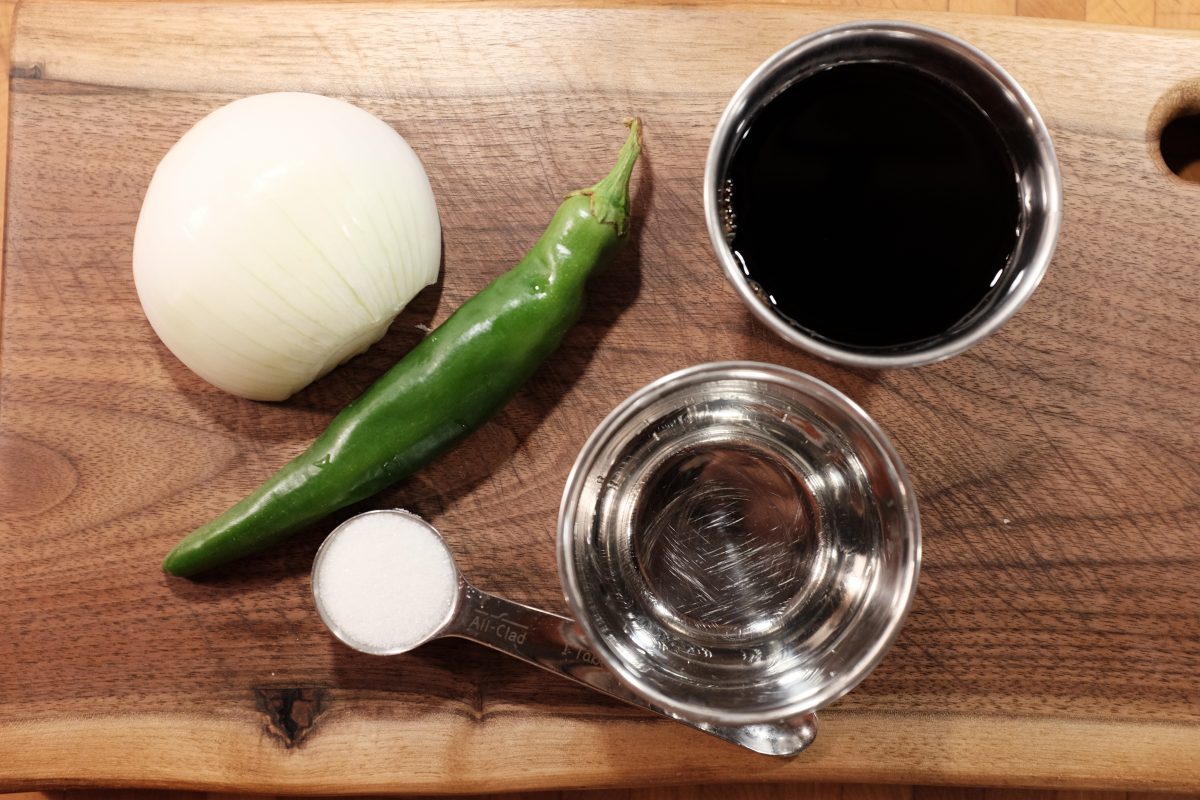
Ingredients
- 100ml (around 6 tablespoons) brewed soy sauce
- 50ml (around 3 tablespoons) white vinegar
- 12-13gr (1 tablespoon) white sugar
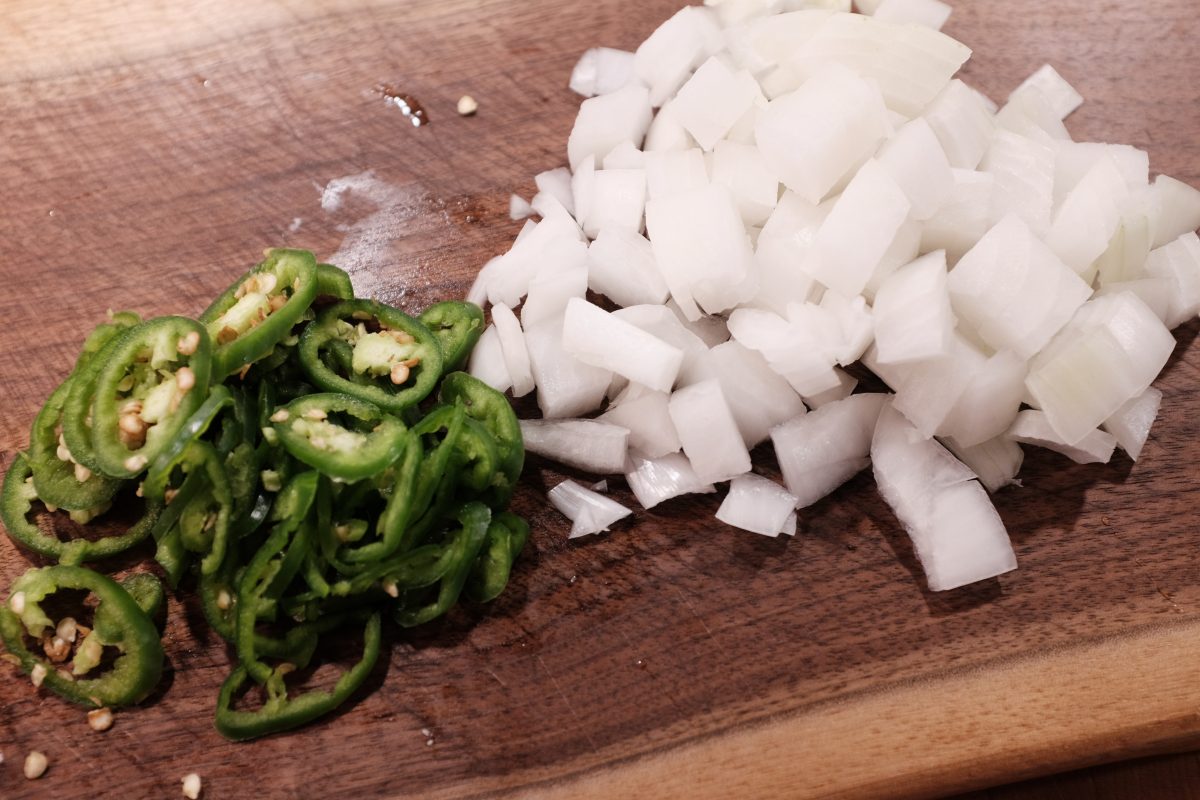
- 1/2 medium white onion
- 1 green long chile or jalapeño
I like regular harsh white vinegar for this recipe. You can substitute rice vinegar or apple cider vinegar but I would avoid using wine vinegars. Use regular brewed (Japanese style) soy sauce, not Korean soup soy sauce. Use an equal amount of honey if you prefer it over white sugar. You can leave out the chili altogether but, I would recommend just taking the seeds out if you don’t want any spice. The “greenness” of the chili adds alot of flavour here.
Process
This is one of my favourite soups. Hot and satisfying, it is especially good when you are feeling a little sick or run down. It is one of those meals that seems to instantly fortify the body much like my other favourite seolleongtang.
If you need a homemade kimchi recipe to go with any of your Korean cooking, click here.
If you have any comments or questions, please leave them below. Thanks for reading.
If you enjoy the content and would like to contribute towards website maintenance and development, you can make a donation here.