Chicago 48hrs
Chicago
Chicago seems like a city that is doing a lot of things right. The more time I spend here, the more I like it. There are endless low rise/high density neighbourhoods with sprawling canopies of old trees giving shade from the summer sun. A healthy independent retail scene fills countless blocks with small stores catering to every niche in fashion, decor, music, etc. Restaurants seem to be thriving as well. In 48hrs, we had great meals at places from classic sandwich shop Mr Beef up to Michelin star restaurant Sepia. Special mention to Jersey Mike’s for one of the best fast-food submarine sandwiches I have ever eaten. The CTA L-trains, stations and entrances are clean and efficient with colourful tiles and architecture that fits in perfectly with their surroundings. The lake is bordered by easily accessible parks, public spaces and beaches, theatres, sculpture and botanical gardens. There is so much more. It is the first place that comes to mind when I think of great American cities.
About the photographs
This was a short and busy road trip so I didn’t take as many photos as I would have on a slower adventure. But the tradeoff was that I got to see and do many fun things in short time with great company. As a die-hard solo traveler, I am starting to warm up to the idea of traveling with others (depends on the people though!). This time around, following the lead of my friend’s two sons as they scoped out cool spots in the city was an absolute pleasure. Hope we can do it again someday.
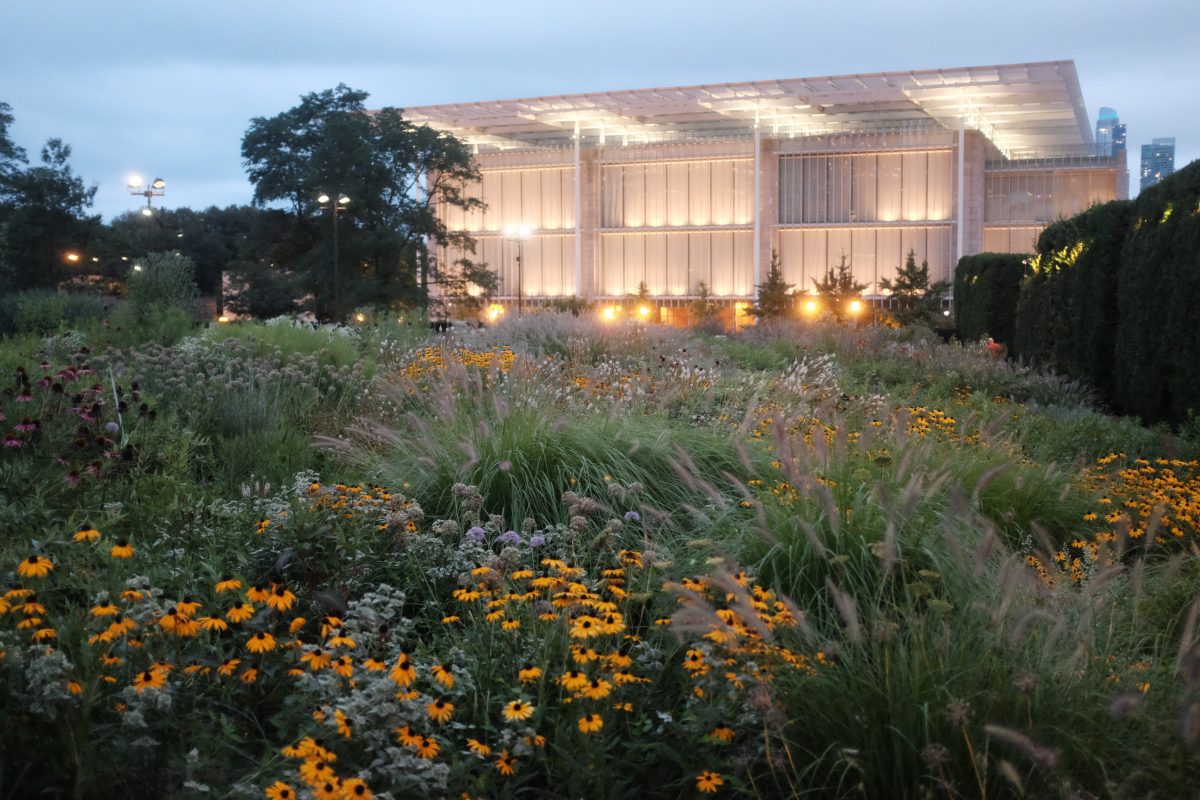
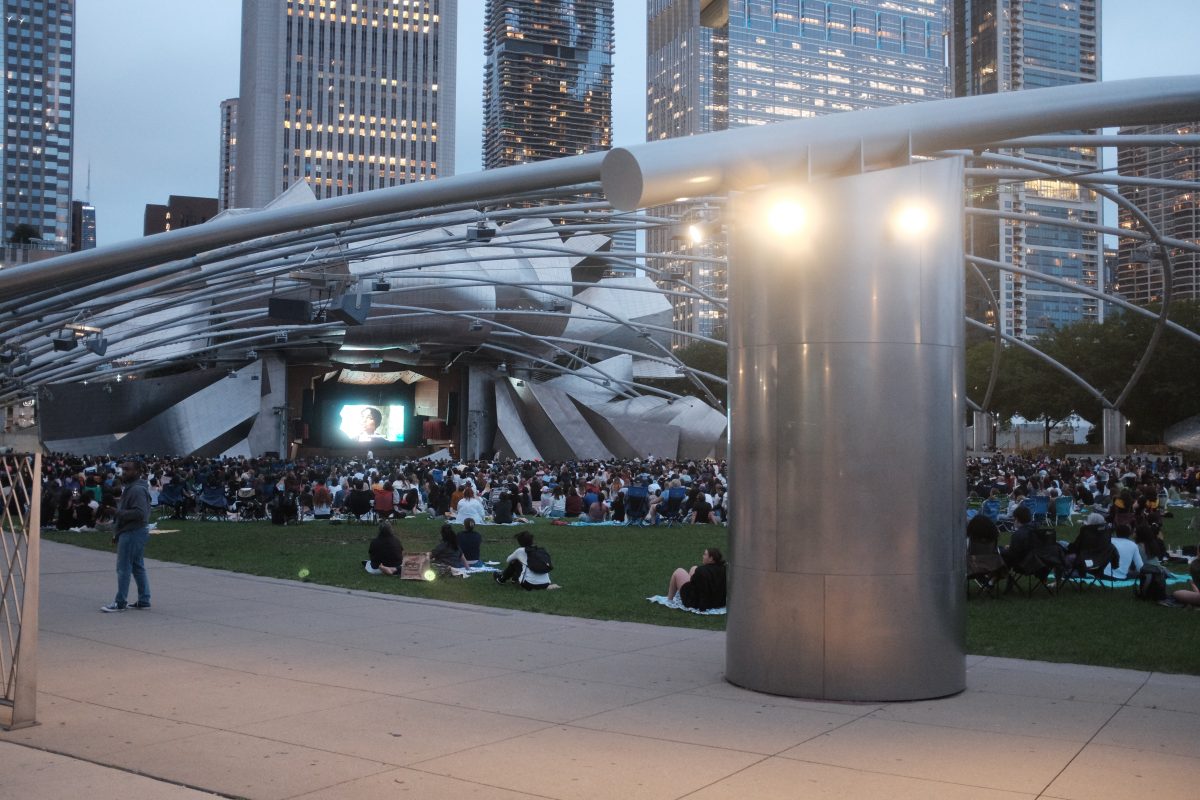
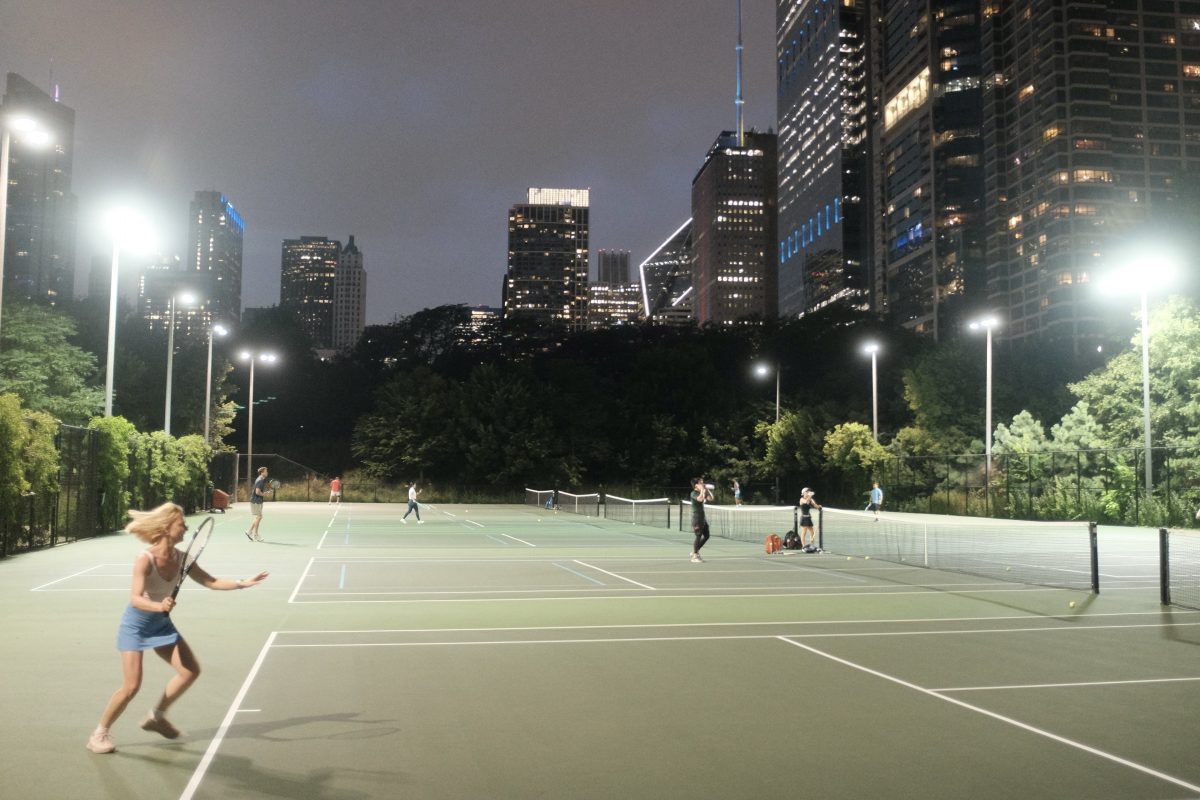
Just before this trip, I installed a mild diffusion filter on my camera lens (Tiffen Glimmerglass 1). It has tiny specks of reflective material sandwiched between two glass plates that serve to scatter and diffuse light. Mounted on the front of my Fujifilm X100 lens, in daytime photos it tends to smooth out transitions between between bright and dark areas. Points of light (especially at night) show some halation (they glow softly like halos). It is a mild effect but I think I like it…

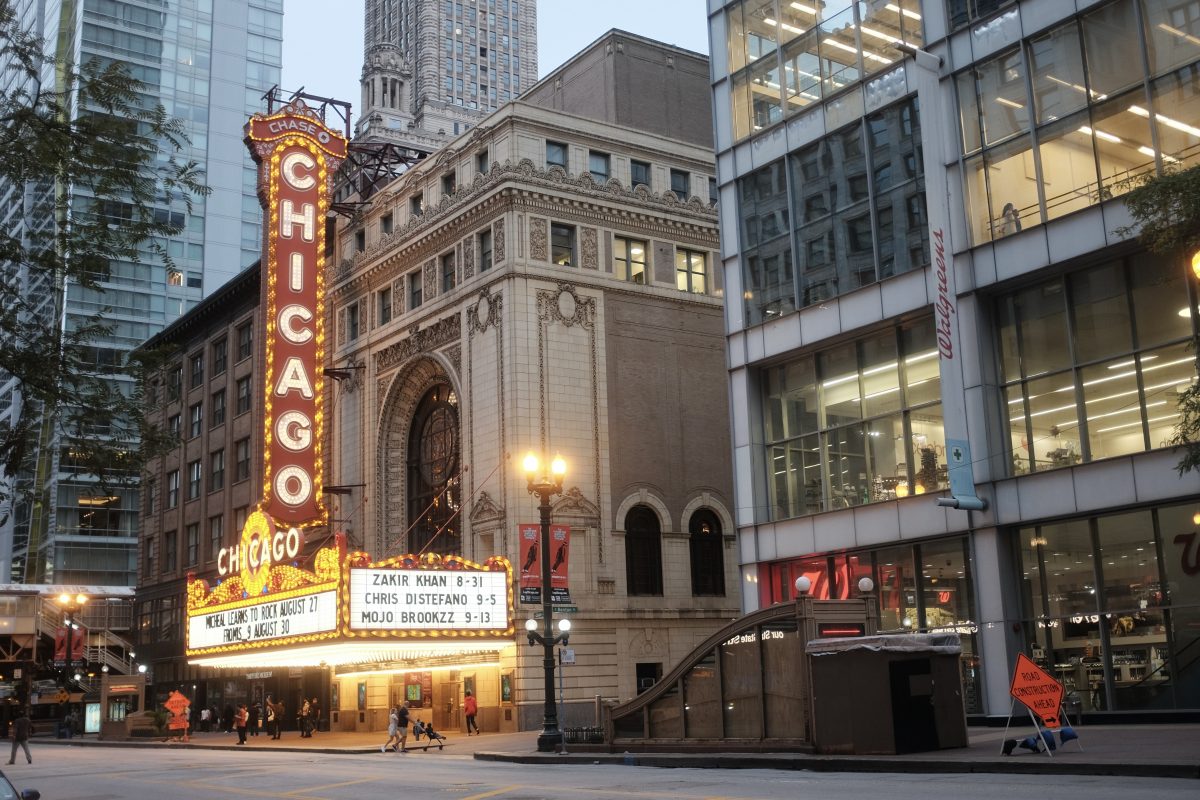
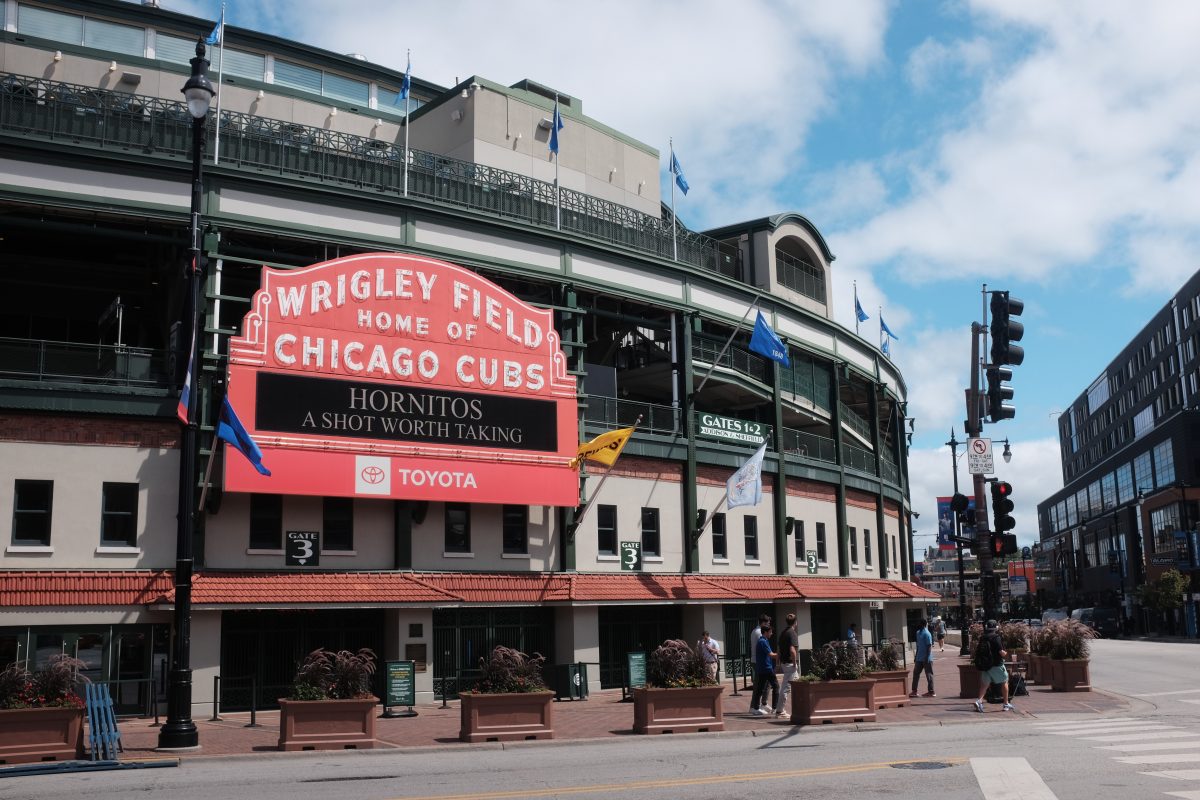
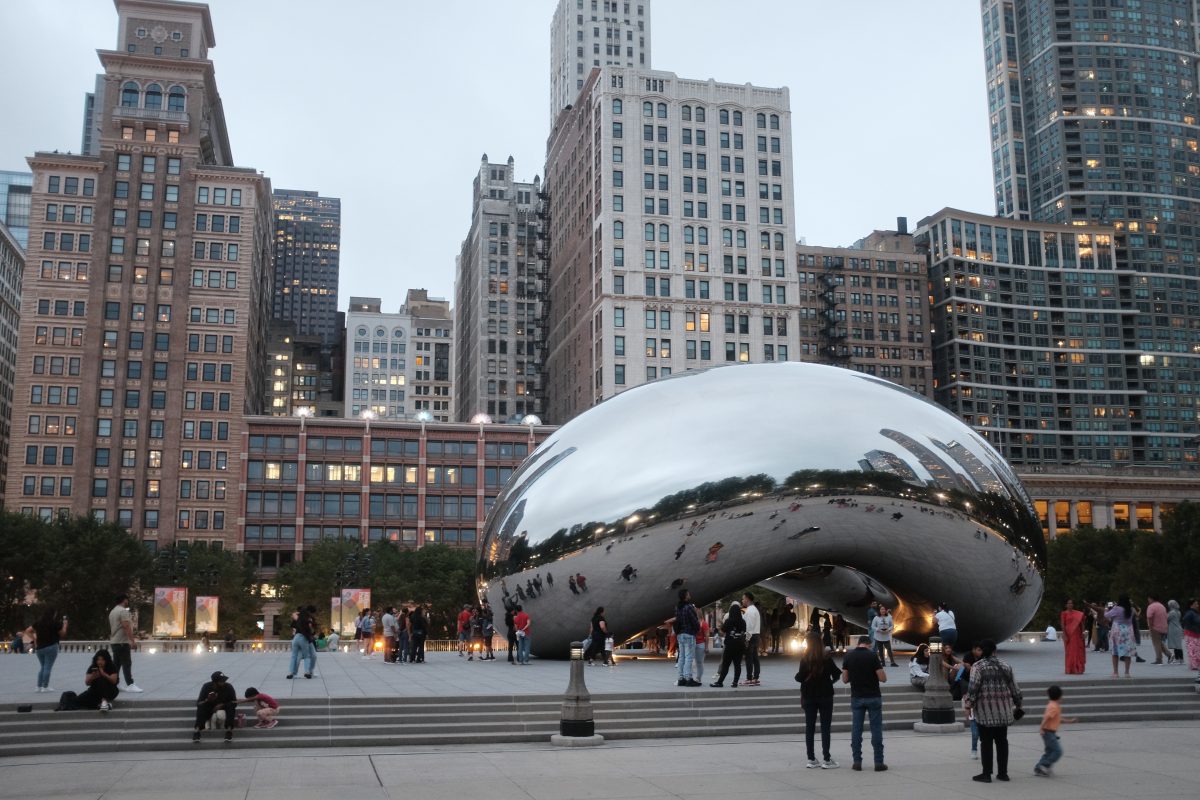
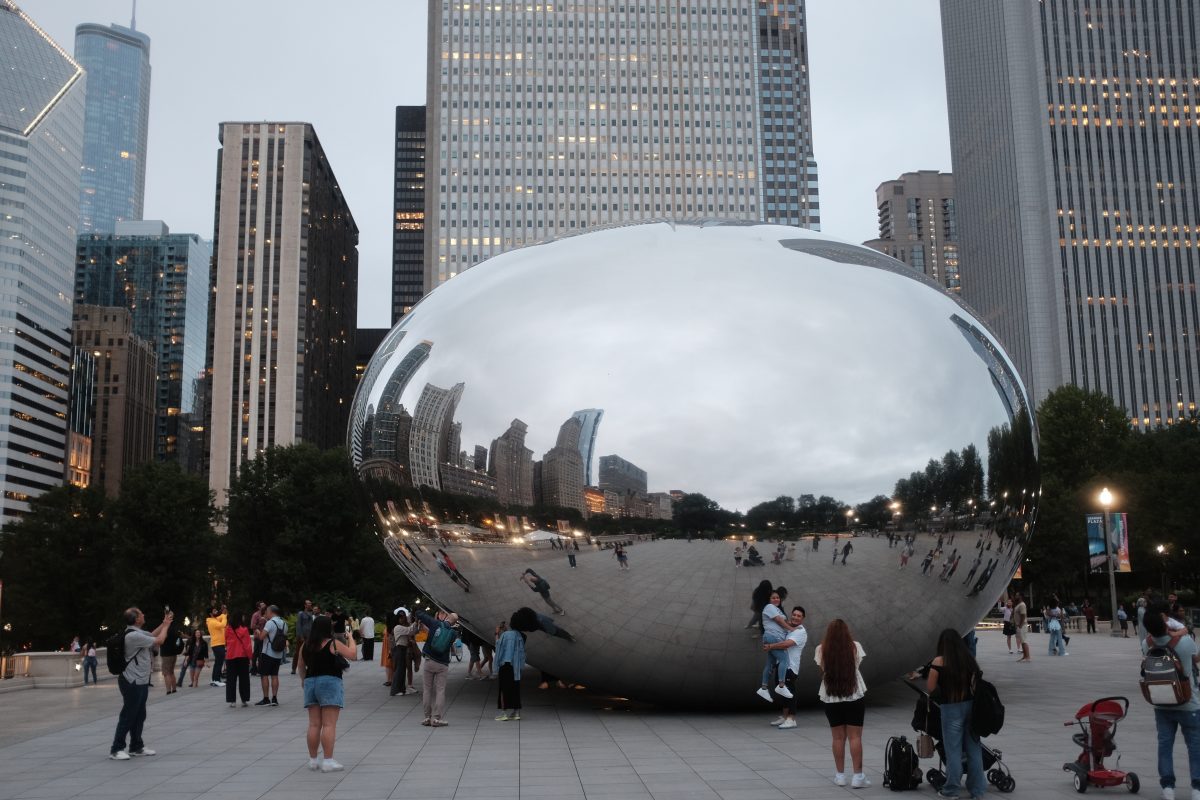
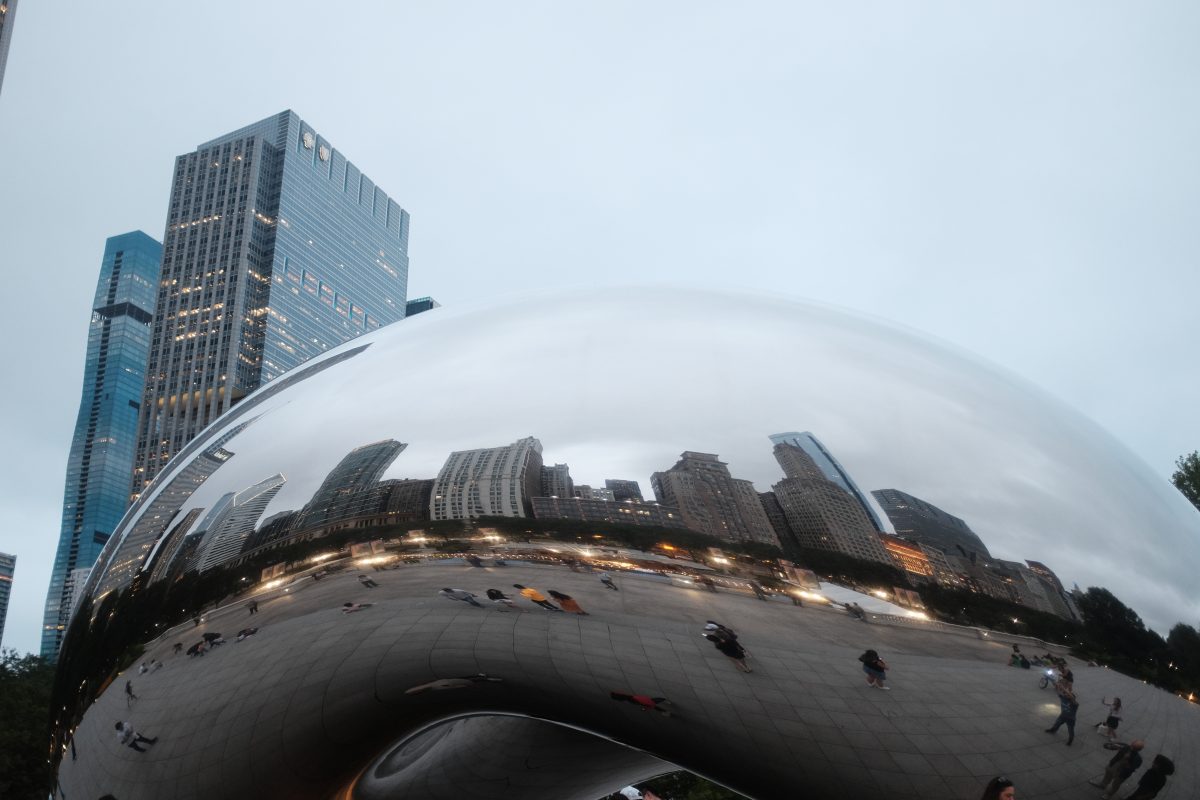
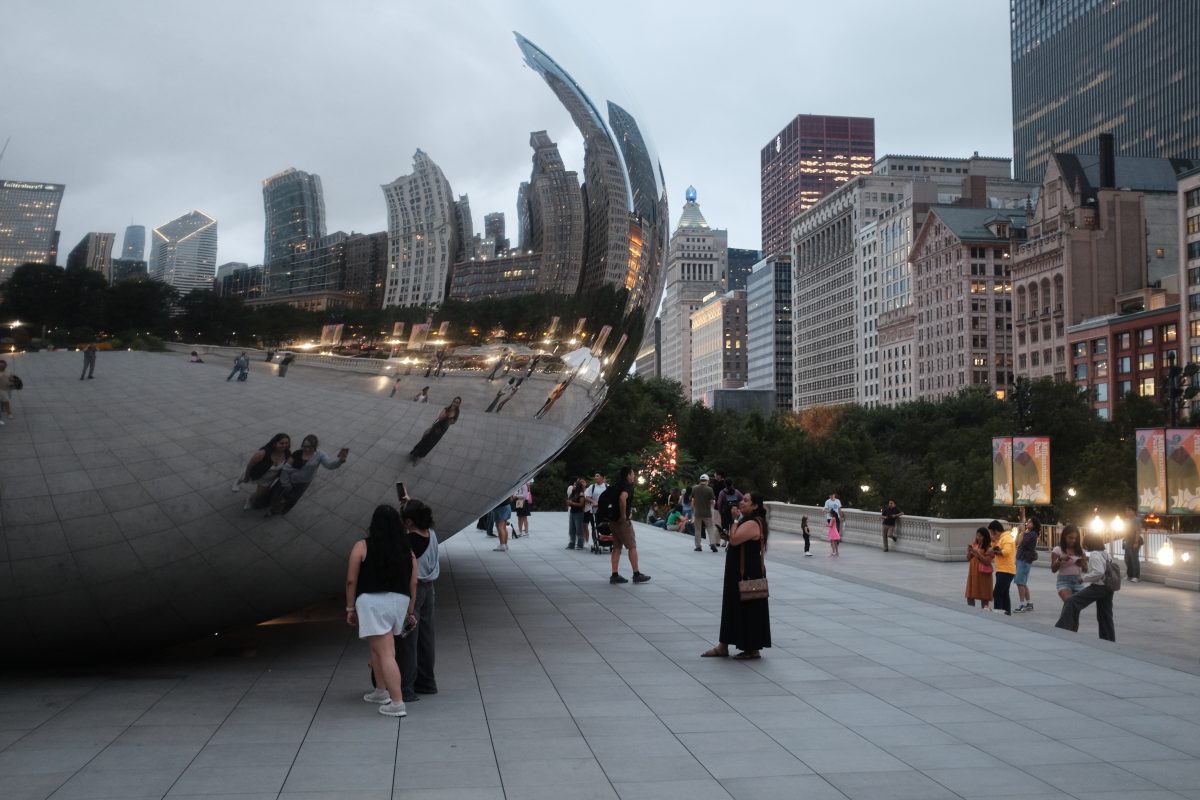
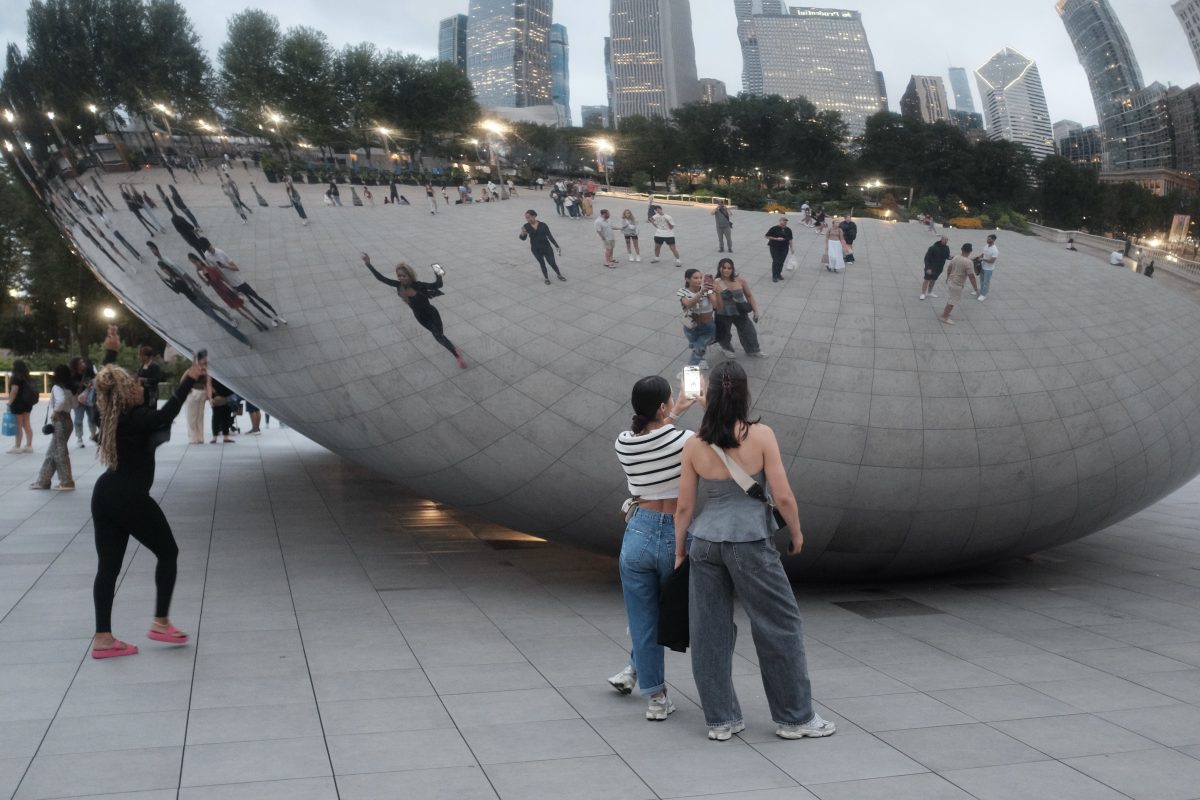
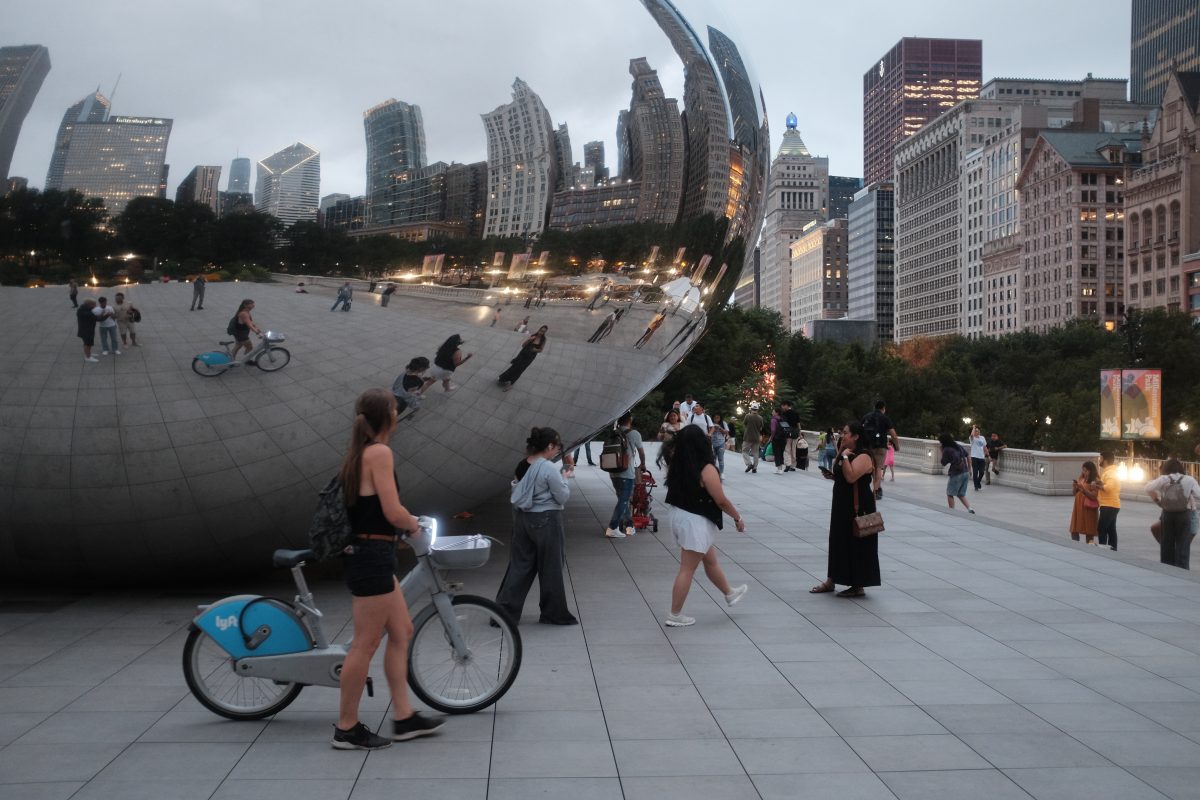
A couple of Chicago landmarks
Millenium Park
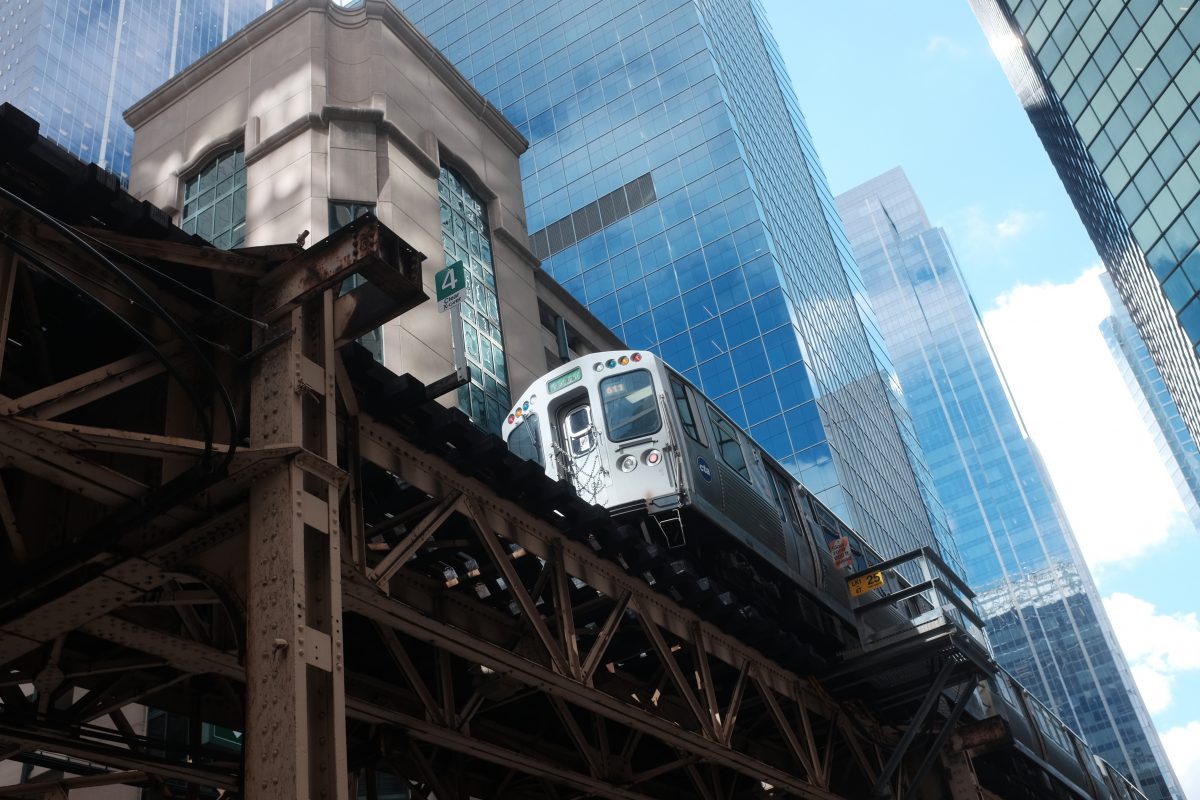
Chicago Transit Authority (CTA)
This time around, we only used the L-train although I have used buses in the past. The CTA seems like a clean and functional system. The L-train stations have beautiful tile-work but I didn’t have enough time for pictures. Next time I come back, I will focus a little more on the L-train and stations including sound recordings.
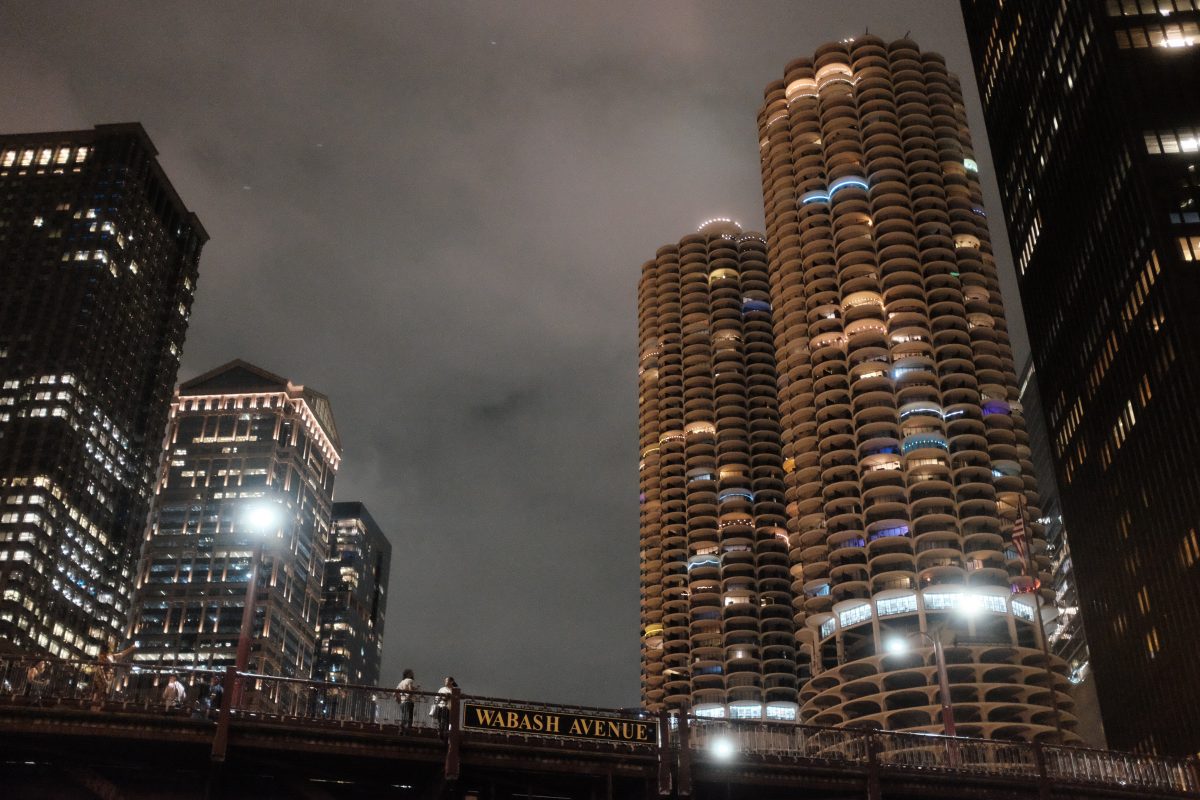
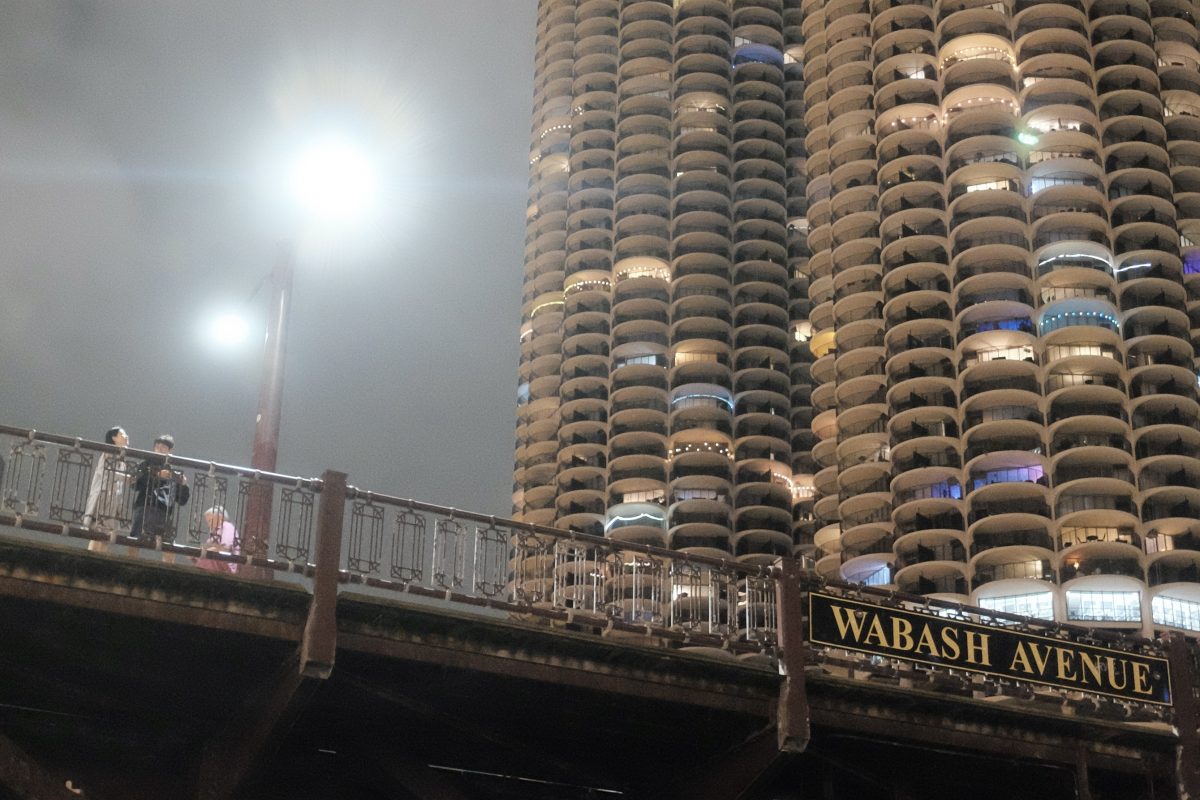
Chicago Architecture
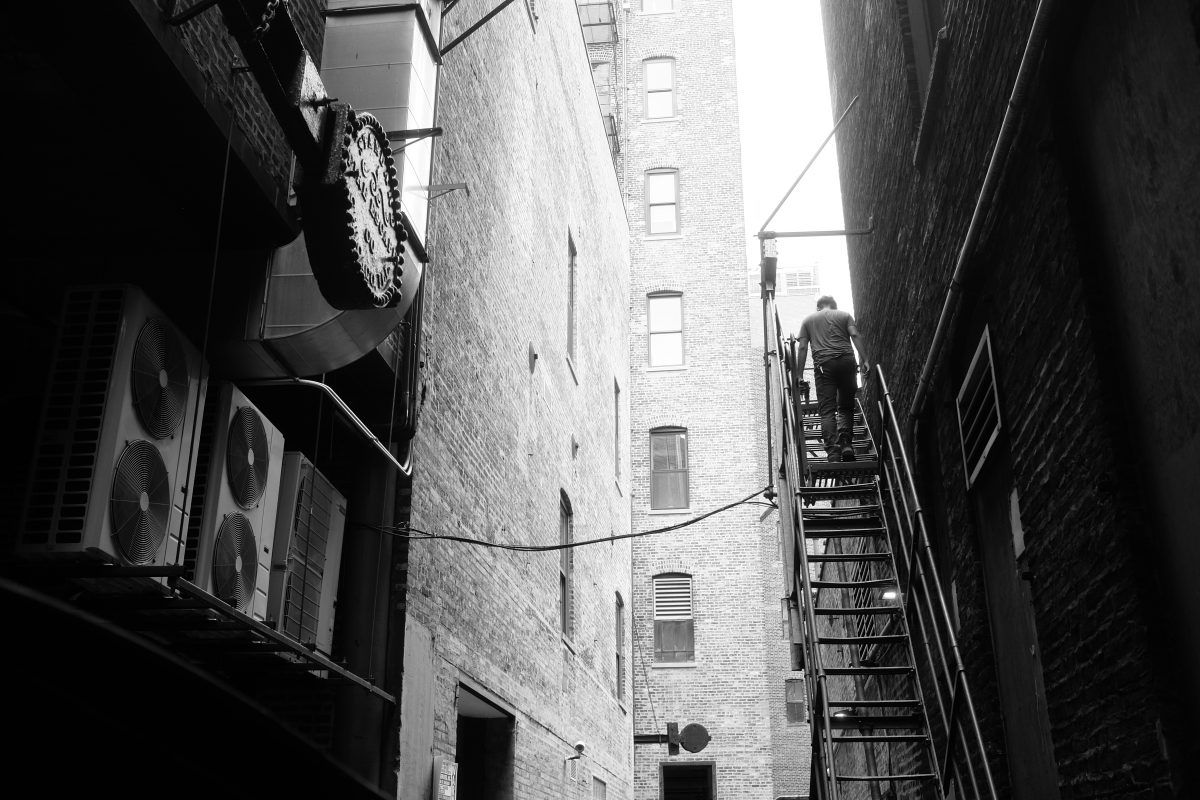
I think I could spend a week just looking at buildings in this city. Below are a few of the better known ones. But, at least for me, all the beautifully built and maintained low rise apartment buildings are just as impressive. The number and variety of perfectly preserved low-rises in residential neighbourhoods is astonishing. This city is a real knock-out.

The way home
I was amazed at how beautiful US gas stations and rest stops are. Not enough time this trip to really document them but I did get in a couple of shots on a midnight break on the way home, just back over the Canadian border. Next trip I will focus on these colourful oases in the pitch black countryside.



This was a short but fun mini-vacation. Hope we can do it again soon with more pictures and sounds. As always, if you have any comments or questions or if you don’t like the plural of oasis, please leave your thoughts below.
If you enjoy the content and would like to contribute towards website maintenance and development, you can make a donation here.
Haku ハク。
Who is Haku?
In 2019 Osaka Japan, four young women met at a vocational school club. One of their advisors in the music program suggested that they join up to form a band and Haku was born. The circle punctuation mark at the end of Haku’s name in Japanese reflects these roots, symbolizing the “circle” where they first met. (these types of clubs are referred to as “circles” in Japan)
Haku released their first single in 2020 and by 2021, they had won the grand prize at a Kansai prefecture talent contest. Attention in Japan started to grow as the band released more music and continued to play live shows. Haku began hosting an annual “Haku Day” on August 9th, inviting their favourite musicians to play with them in Japan, drawing inspiration from their fellow artists. It was here that they played with their friends Mono No Aware which led to the fateful cover-song video that would spark Haku’s international fame. More on that later….
Recently, at the request of fans outside of Japan, Haku has begun playing international shows. They played their very first overseas show in Korea. Singapore was next and, in September 2025, Haku made their North American debut in Toronto, Canada as part of the Next Music From Tokyo showcase.
Releases
In their seven year career, Haku has released a steady stream of singles, EPs and two albums.
- Blue Girl single, 2021
- 本物 / honmono, single, 2021
- ワタシ / watashi, single, 2021
- 収録曲 / hitonatsu, single, 2021
- ふたり基地 / hutari kichi, single, 2021
- 若者日記 / wakamono nikki, mini-album, 2022
- ナイーブ女の子 / naive girl, single, 2022
- 無題 / mudai, single, 2023
- 直感way, chokkan way, single, 2023
- 僕ら / bokkura, EP, 2023
- 僕らじゃなきゃだめになって / Bokurajanakyadameninatte, single, 2023
- 自由のショート / jiyuu no short, single, 2023
- 僕らじゃなきゃダメになって / Bokurajanakyadameninatte, album, 2023
- dedede, single, 2024
- 頭の中の宇宙 / The Universe of my Mind, single, 2024
- あいっ! / Ai!, single, 2024
- Catch, EP, 2025
- 南新町 / minami shinmachi, single, 2025
- それしか言えない / soreshika ienai, single, 2025 (***this marks Haku debut on major label Toy’s Factory)
- 夢中猫 / Patapata Cat, single, 2025
- ふわ輪 / Fuwa Rin, single, Feb 2026
- 世界 / Sekai, EP, March 4th, 2026
- 宇宙船ハート号 / “The Spaceship Heart”, single, June 3rd, 2026
Just Released! :
世界が変わる時 / “When the World Changes” first full length album on major label Toys Factory, September 9th, 2026.
Physical Copies (CDs) of Haku Releases
If you are outside of Japan, you can now order directly from Tower Records. Fill in search bar as normal and you should get a pop-up for “WorldShopping”. This is a 3rd party shipping service associated with Tower Records in Japan. Shipping rates are surprisingly reasonable.
Haku lineup:

- Nazuna (なずな) – Lead Guitar
- Kano (カノ) – Bass and Backing Vocals
- Mayu (まゆ) – Drums
- Ai (あい) – Lead Vocals and Rhythm Guitar
Haku everywhere!
Largely unknown outside of Japan, Haku became famous globally with their cover of Mono No Aware’s かむかもしかもにどもかも! The catchy nonsense-lyric tongue twister was released on YouTube in Haku’s trademark vertical frame practice-session format. The popularity of the video sparked a massive social media following and requests from fans around the world for overseas live shows. Local Haku shows also began to attract foreign fans who were travelling in Japan. Fans started sending them videos of themselves mimicking Ai’s groovy dance. Below is the original video of Haku covering the Mono No Aware song. As of this writing, it has over 16 million views.
Next Music from Tokyo vol 17
Late this summer, Haku made their North American debut in Toronto, Canada at Next Music From Tokyo Volume 17.
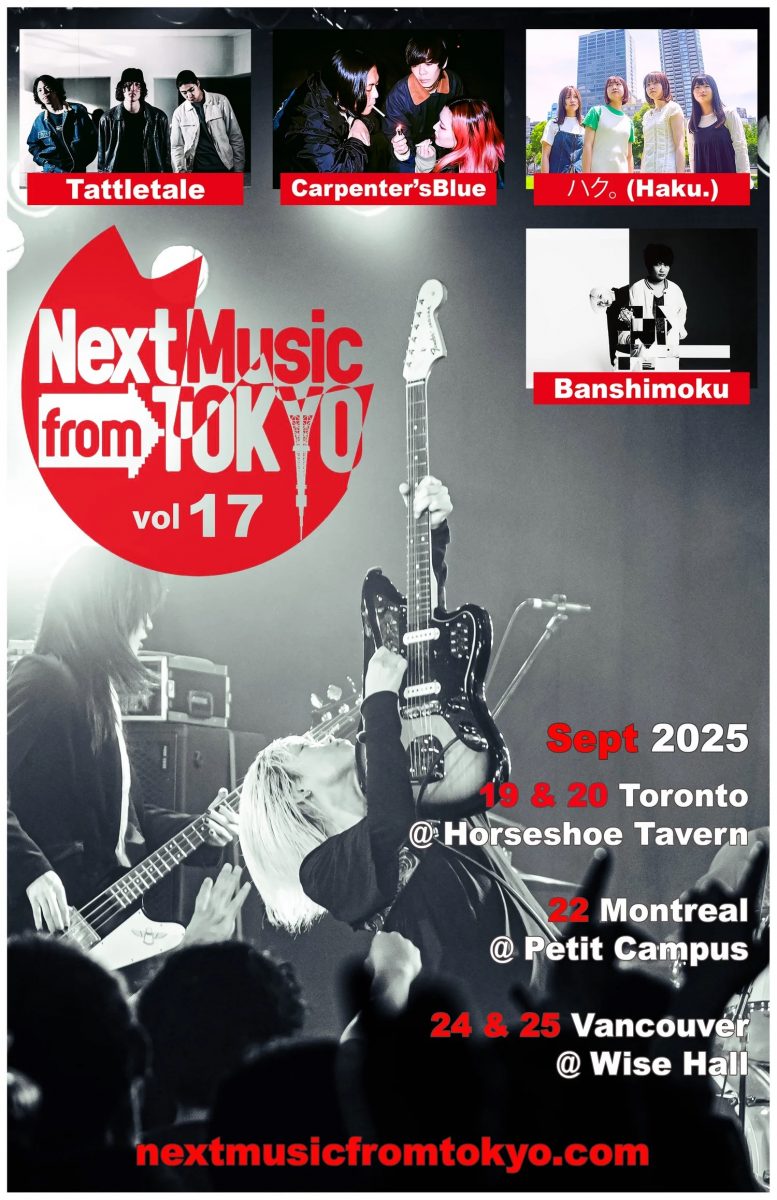
Next Music from Tokyo is an annual showcase of young Japanese indie bands put together by Toronto anesthesiologist Steven Tanaka. Each year, Tanaka handpicks a group of bands to tour three cities in Canada over 10 days and it is always a fantastic scene. The bands give everything they have and the crowds happily take it all in, dancing and crowd surfing (Steve too)!
This year when the NMFT line-up was announced, I was surprised to see that it featured Haku. The website even issued a warning that since the massively popular band is coming, tickets will sell out faster than usual. This got my attention and I started listening to their back catalog as well as newer releases. I was happy to find that, although the viral video clip is cute and obviously popular, Haku’s original music is even better.
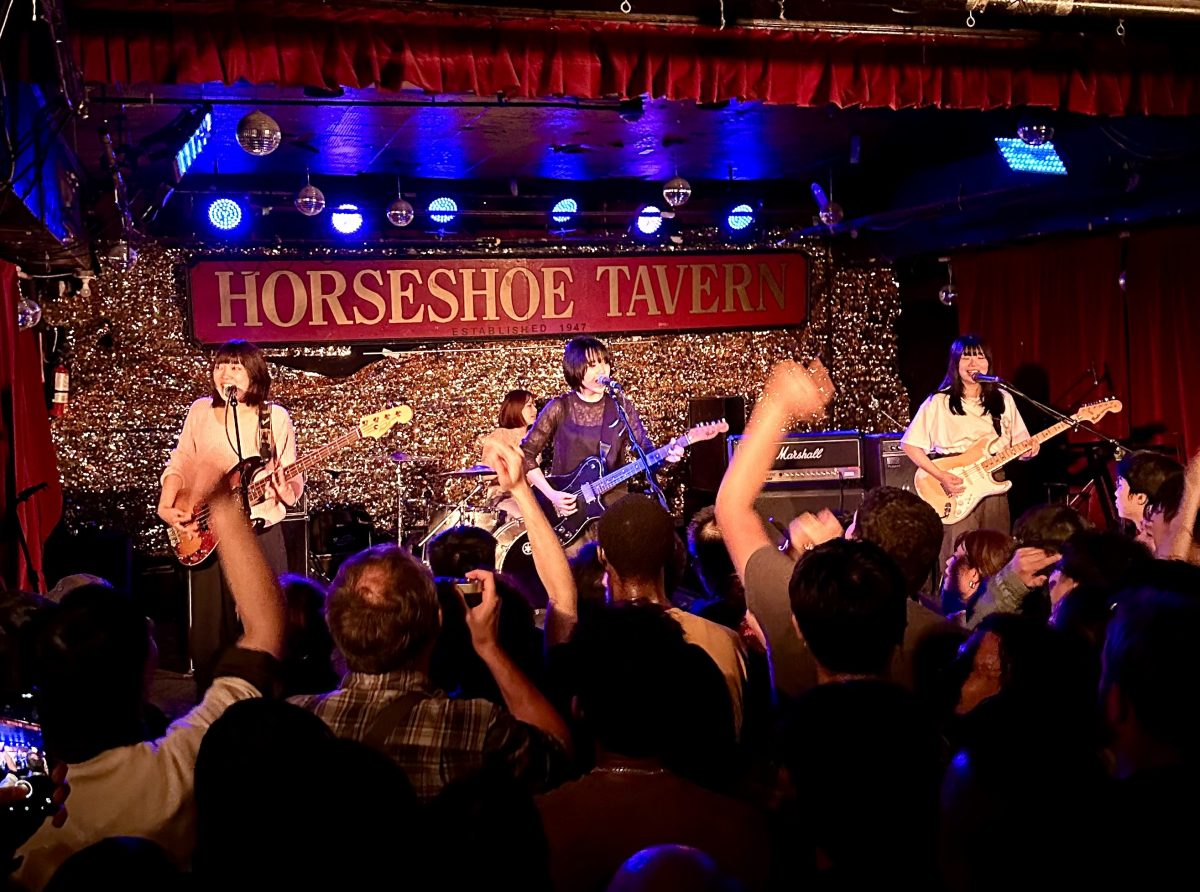
Haku live at the Horseshoe Tavern in Toronto, Canada
Around a year ago, Haku performed on NHK Japan and talked about influences and future goals. Ai expressed that although they were a band of 4 young girls, they did not want to be bound by the expectations of being a “girl band”. They hoped to show a more aggressive sound in live shows and to write songs that would have a broad appeal to fans of all genders and ages. With that statement in mind, it was fun to witness their first North American show in person.
From the very first song, the band delivered an energetic and gritty sound. The crowd, made up of men and women of all ages in equal number, responded with enthusiastic dancing and clapping. Surprisingly, many of their fans were singing along in Japanese to Haku’s originals. If their goal was to win over a broad spectrum of fans with high-intensity live versions of their original songs I think it was a great success. I loved the show and I was immediately sorry I didn’t buy tickets for both nights in Toronto.
Next Music From Tokyo vol 18
Haku returned to Canada this past September 2026 for Next Music From Tokyo vol 18. They were joined by SYAYOS, Pudelhunds and Yureruwayurei.
After their first North American appearance in 2025, it was clear that a year of relentless touring and recording have pushed the band into new territory. They debuted material from the recently released “When the World Changes” album with fresh energy, mixing in only a few hits from their earlier catalogue. The band was tight and focused through the whole set, with Ai doing her best to communicate with fans in a mix of broken English and hand gestures: her basic message was “music…connects..people”. This idea was evident in the enthusiasm and flow of energy between the audience and all four bands.
The supporting acts were equally great. Pudelhunds showcased speedy and aggressive math rock, Yureruwayuei cooled it down with beautiful and mournful vocals over dynamic bass and guitar playing. SYAYOS describes their sound as “Japanese freaky dance music” and I would have to agree. The songwriting here is excellent with cool beats and unusual arrangements, fast pumping bass lines, guitars that go from wistful to screaming and gorgeous vocal melodies.
Unfortunately I was in an awkward spot at the Horseshoe in Toronto this year so I wasn’t able to get too many good photos. If you are interested in seeing some good shots check out the Next Music From Tokyo Instagram.
Top Secret….
There is a rumour going around that Haku are planning to attend the 2027 South by Southwest Festival in Austin, Texas next spring.
Haku original music
For a band whose members are somewhere in their early 20s, Haku has released a good volume of music. The early singles and first mini album (Wakamono Nikki) sound like a young band still developing their identity and musical style but the playing is solid and the songwriting is good. The second full length album, Bokurajanakyadameninatte, is where the band really starts to shine and the most recent EP titled Catch showcases the fully developed Haku at their best.
The songs are bright and energetic with memorable vocal melodies and guitar hooks. They manage to sound fresh and original but somehow familiar at the same time. In the NHK interview, Ai talked about how many older fans have said that Haku’s music takes them back to their youth. She attributes this to the influence of 90s US and UK indie on Haku songwriting. These 90s flavours blended with modern J-pop and J-rock influences give Haku their defining sound and broad appeal.
Their first full album on the Toys Factory label “When the World Changes” was released September 9th, 2026. This 50 minute album includes 14 songs, around half of which are previously released singles. The remaining material shifts into new territory with fuzzed out guitars, some heavier drum tracks and speedy vocals. The overall impression is that the band is managing to explore some fresh new sounds while still maintaining the charm that has endeared them to listeners and live audiences all over the world. And, many video clips are now subtitled in English and Spanish so non-Japanese speaking fans can take in Ai’s lyrical imagery along with the music.
The Haku Sound
Ai’s vocals are full of catchy melodies and fun cadence. Her lyrics (all in Japanese) touch on the universal topics of love and relationships with others, as well as her relationship with the world at large. Ai takes centre stage as the main vocalist and delivers crunchy rhythm playing on her 70s Telecaster Custom. She hopes to write songs that “stand the test of time” and from the enthusiasm of the live audience and the fact that they knew most these songs by heart, I think she is on the right track.
Nazuna’s guitar playing is mostly clean with an unmistakable Stratocaster chime. She sometimes doubles the rhythm guitar but more often wanders away on her own with melodic single-note lines. At NHK, she said that she wanted to invent guitar phrases that “linger in your ear”. I think that Nazuna’s guitar lines are just as catchy as Ai’s vocals and the two together create melodies that are hard to forget. Newer material has Nazuna playing some pretty heavy broken-fuzz riffs.
Kano is a creative bass player never lingering very long on a single note. Bass lines bounce along with the drums, counter guitar lines, experiment with harmonies and always add to the overall big energy of the song. Kano is also the second voice for doubling or vocal harmony and, in interviews, stands out as the most outgoing spokesperson for the band.
Mayu keeps it all together with breezy style, creative fills and lots of happy energy. She is a great drummer now but I think her ambition to learn and improve will sharpen her skills even more in the future.
Each player in the band brings their own unique style but it is definitely the combination of these four talents that gives Haku it’s appeal. The musicianship is undeniable and their obvious close friendship just adds to their charm.
Gear:
Haku uses some interesting guitars. Ai is playing a 70’s style Telecaster Custom and Nazuna’s Stratocaster is the same vintage. Both have 3 bolt neck plates used mainly on 70s Fenders. I think Fender Japan reissued these sometime in the 90’s so it is possible these 2 guitars are from that era. Either way, they are unusual instruments. Ai runs her Tele through a Marshall half-stack and Nazuna is using a Jazz Chorus 120.
In recent videos Ai is using a new red, maple neck standard Telecaster. The white Jaguar that was given to her by Fender at their Shibuya flagship store performance has also made it to the live stage recently. But, the Tele always seems to return.
As for pedals, Ai’s main sound seems to be Telecaster, JHS Morning Glory, Marshall amplifier. She switches out dirt pedals often: Ibanez Tube Screamer, Anasouds Savage (Klon Centaur clone), Animals Pedal Surfing Bear Overdrive (cute Japanese made tube screamer variant), NYC Big Muff fuzz have made the rounds.
Nazuna has a big pedal board which includes a Strymon Big Sky and Timeline, JHS Double Barrel, JHS Charlie Brown (cool and uncommon), Boss Turbo Distortion, Triangle Big Muff, Suhr Jack Rabbit Tremolo, Digitech Whammy as well as a Maxon Stereo Chorus.
Kano is running a Fender Precision Bass though a solid state head and Ampeg cabinet (at least at live shows). This deep, punchy Precision bass through a big cabinet is my favourite electric bass sound.
At least in their practice space, I have seen Mayu using a 4-piece gold sparkle Tama drum kit. Beyond that, I am not sure. Unless they are popular enough to carry their whole kit around, drummers usually just travel with their snare and cymbals so…hard to say.
Where to find Haku:
You can stream Haku in all the usual places.
Haku is also active on Instagram and YouTube. Click here for the Haku official website.
Haku is rumoured to be attending SXSW Festival in Austin, Texas next spring 2027. Nothing confirmed yet but worth keeping in mind for US fans.
For a list of all upcoming live shows look here.
Here is the song Ai! from the Catch EP….it is a great record. Look it up on your favourite streaming platform.
A great song and video from Bokurajanakyadameninatte….
Sekai from When the World Changes
Here’s the latest video from newly released When the World Changes album on Toys Factory…
If you have any questions or comments or if I spelled anesthesiologist or anything else wrong… please share in the space below.
What’s your favourite Haku song? Leave it in the comments!
If you enjoy the content and would like to contribute towards website maintenance and development, you can make a donation here.
Jeow Bong
What is it?
Jeow bong (or jaew bong) is a Lao chili paste used as a dip or seasoning. It is powerful and complex: full of strong aromatics and potent citrus and fruit flavours, all tied together with fermented fish sauce.
One summer at the restaurant we had a food runner who’s mom was from Laos. We became pretty good friends and her family ended up visiting for a meal a few times. I had fun preparing interesting veggie dishes (off menu) for her vegetarian dad and sister.
Afterwards, on more than one occasion, her mom sent me homemade Lao beef jerky and other little snacks. One time I even got a full dinner-set of larp, sticky rice, sides and, of course, jeow bong! This was my first experience with Lao food and I was hooked.
Sometime before our food runner left to go to university, she brought me my own bamboo sticky rice steamer and pot set with a couple of little rice baskets. This was such a thoughtful gift and I use them often. Thanks Tounie, Émilie and famille Desrosiers!
Jeow bong recipe:
This is a very good recipe. I am always surprised at how incredibly delicious it is every time I eat it.
First let me say that although I am a professional chef, I am no expert at Lao cooking. I have learned to make a few dishes because I like them so much but I am still learning. When I looked around the internet for recipes, I found many different recipes for jeow bong. I pulled from a few of them, combining ingredients that I can easily get in my neighbourhood. Many recipes include pig skin as an ingredient but I left it out of this recipe only because I didn’t have time to pick it up. This recipe turned out very well without it but next time I may try with pork included.
Ingredients
- 10 cloves garlic
- 4 medium shallots
- around 25 grams fresh galangal (one thumb-size chunk)
- 20 grams dried chilis
- 60ml (1/4 cup) of water
- olive oil for frying (1-2 tablespoons)
- 30ml (2 tablespoons) fish sauce
- 6 kaffir lime leaves
- 25 grams tamarind paste (a little less than 2 tablespoons)
- 1 teaspoon MSG or Aji-no-moto (same thing, different name)
- 1 tablespoon palm sugar (or use regular white sugar)
Process


Now what?
Store the paste in an air-tight container in the refrigerator.
You can use your jeow bong as a dip for meats or veggies or mix it into stir fried dishes. Or, try swiping a little onto a ball of warm sticky rice and popping it into your mouth. This is my favourite way to eat it.
Go easy with this stuff. It is surprisingly powerful!
If you have any comments or questions, please feel free to leave them below.
Thanks for reading : )
If you enjoy the content and would like to contribute towards website maintenance and development, you can make a donation here.